Allergen Management in Food Service: A Complete Restaurant Guide
How to manage the 9 major food allergens in your restaurant: cross-contact prevention, staff training, menu labeling, customer communication, and FDA FASTER Act compliance.
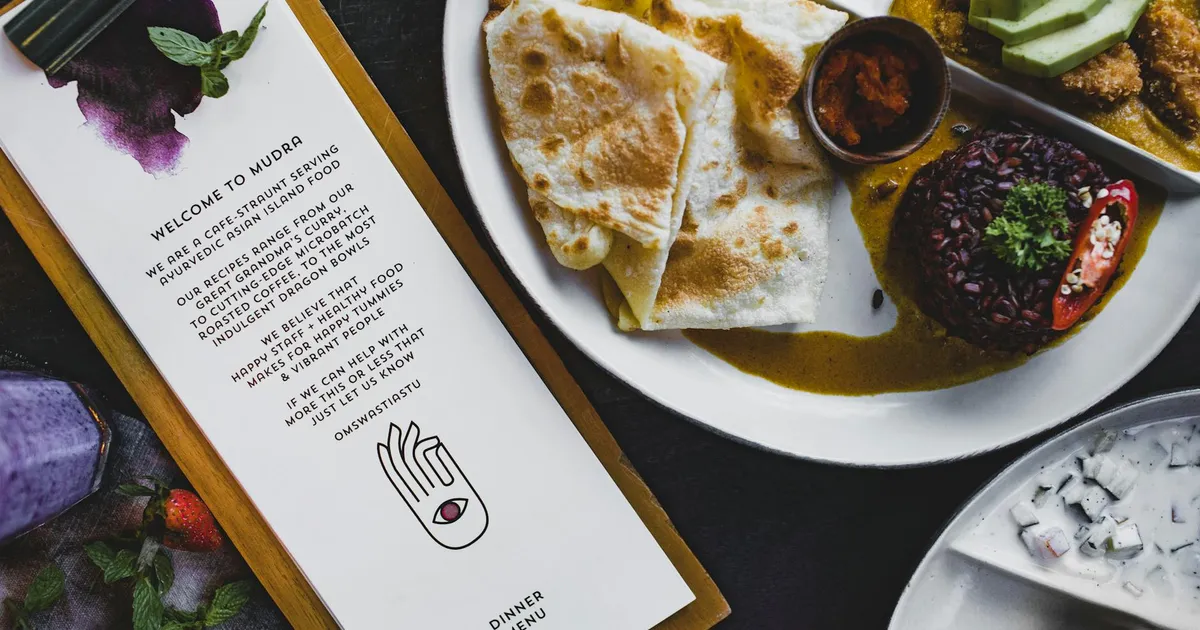
Photo by KitchenTemp via Pexels
The Allergen Risk Is Real and Consequential
Every year in the United States, approximately 200 people die from anaphylaxis caused by food allergies. An estimated 32 million Americans have food allergies, including 5.6 million children under 18. For restaurant operators, food allergen management is not a customer service courtesy — it is a life-safety obligation.
Allergen incidents in restaurants are one of the most common causes of both foodborne illness hospitalizations and food safety lawsuits. Unlike temperature-related bacterial illness, there is often no "safe amount" for a severely allergic individual. A microgram of peanut protein can trigger a fatal reaction in a highly sensitized person.
The FDA Food Code 2022 includes explicit allergen management requirements. The FASTER Act (Food Allergy Safety, Treatment, Education, and Research Act), signed into law in 2023, expanded the list of major food allergens. Understanding and implementing effective allergen management is a core food safety competency.
The 9 Major Food Allergens (FDA, Post-FASTER Act)
The FASTER Act added sesame as the ninth major food allergen, effective January 1, 2023. Sesame is now required to be declared on packaged food labels alongside the previous eight allergens.
| Allergen | Common Sources in Restaurant Settings | |---|---| | Milk | Butter, cream, cheese, sour cream, whey, casein, many sauces | | Eggs | Baked goods, pasta, mayonnaise, sauces, breaded items | | Fish | Any fish species — cannot be substituted across species | | Shellfish | Shrimp, crab, lobster, crayfish, clams, oysters, scallops | | Tree Nuts | Almonds, cashews, walnuts, pecans, pistachios, macadamia, Brazil nuts | | Peanuts | Peanut oil (expeller-pressed), satay, Thai sauces, some candies | | Wheat | Flour, breading, soy sauce (most brands contain wheat), pasta | | Soybeans | Soy sauce, tofu, edamame, miso, tempeh, many protein powders | | Sesame | Sesame oil, tahini, hummus, some bread products, Asian sauces |
Important note on peanut oil: Cold-pressed or expeller-pressed peanut oil retains peanut protein and is allergenic. Highly refined peanut oil (which removes protein) is generally tolerated by peanut-allergic individuals but should still be disclosed and avoided in high-sensitivity cases.
Understanding the Difference: Food Allergy vs. Food Intolerance
Staff must understand this distinction to respond appropriately to customer requests.
Food allergy: Immune system response to a specific protein. Can cause anaphylaxis, which is potentially fatal. Even trace amounts can trigger severe reactions. All 9 major allergens can cause immune-mediated allergic reactions.
Food intolerance: Digestive system response, typically involving enzyme deficiencies or sensitivity to compounds in food. Generally not life-threatening. Examples: lactose intolerance (dairy sugar, not dairy protein), gluten sensitivity/celiac disease (immune but not anaphylactic — though celiac is serious).
When a customer reports a food allergy, treat it as a life-safety issue. When a customer reports a food intolerance or sensitivity, treat it with care but without the same level of protocol escalation. Never assume — when in doubt, ask clarifying questions.
The Three Allergen Control Points in a Restaurant
Control Point 1: Menu and Ingredient Management
The foundation of allergen management is knowing which allergens are present in every dish you serve.
Allergen matrix: Create and maintain a matrix that lists every menu item against all 9 major allergens. Update it whenever a recipe changes, a supplier changes an ingredient, or a new menu item is added.
| Menu Item | Milk | Eggs | Fish | Shellfish | Tree Nuts | Peanuts | Wheat | Soy | Sesame | |---|---|---|---|---|---|---|---|---|---| | Grilled Salmon | — | — | YES | — | — | — | — | — | — | | Caesar Salad | YES | YES | YES (anchovies) | — | — | — | YES (croutons) | — | — | | Pasta Alfredo | YES | YES | — | — | — | — | YES | — | — | | Beef Burger | YES (bun) | — | — | — | — | — | YES (bun) | YES (soy sauce) | YES (bun sesame seeds) |
Post this matrix in the kitchen for reference and train all kitchen staff on it.
Supplier ingredient alerts: Suppliers can change formulations without always notifying customers. Implement a supplier change notification procedure: require suppliers to alert you when ingredients or formulations change for any product you purchase. Review updated ingredient labels when new product shipments arrive.
Control Point 2: Cross-Contact Prevention in the Kitchen
Cross-contact is the transfer of an allergen from one food to another, or from equipment/surfaces to food. Unlike cross-contamination with bacteria (which can be addressed with cooking temperatures), cross-contact cannot be "cooked away" — allergen proteins remain allergenic at any temperature.
Equipment and surfaces:
- Designate allergen-free preparation areas for high-demand allergen requests
- Assign dedicated equipment for allergen-free preparation: cutting boards, knives, pans, mixing bowls, colanders
- Label allergen-free equipment clearly (colored labels or tags)
- Use clean fryer oil for allergen-free frying (shared fryer oil used for breaded items contains wheat; for shellfish contains shellfish allergen)
Allergen-free preparation procedure:
- Wash hands with soap and water (hand sanitizer does not remove allergen proteins)
- Put on clean gloves
- Retrieve allergen-free equipment (dedicated set)
- Prepare food on a clean surface, away from other preparation
- Use ingredients verified allergen-free from the allergen matrix
- Plate using allergen-free serving utensils
- Communicate the allergen-free status from kitchen to server to customer with a verbal confirmation
The fryer cross-contact problem: If you use a shared fryer for breaded (wheat-containing) items and also fry items that a wheat-allergic customer orders, the oil is contaminated with wheat. You either need a dedicated allergen-free fryer or need to inform the customer that allergen-free fried items cannot be guaranteed.

Control Point 3: Customer Communication and Order Handling
When a customer notifies their server of an allergy:
- Server does NOT attempt to answer questions about ingredients from memory — takes the customer to the allergen matrix or gets the manager
- Manager reviews the allergen matrix with the customer to identify safe options
- For items that can be modified: document the modifications explicitly on the ticket (use "ALLERGY: [allergen]" flagging on the ticket)
- Ticket goes to kitchen with allergen flag prominent
- Kitchen manager or head cook personally oversees allergen-free preparation
- Server confirms the allergen-free preparation verbally when delivering the dish: "I want to confirm — this was prepared without any peanuts, using separate equipment and clean surfaces"
Menu labeling best practices:
- Post a statement that customers with food allergies should notify their server before ordering
- Consider allergen indicators on your printed menu (symbols for each of the 9 allergens)
- For items with hidden allergens (soy in soy sauce, anchovies in Caesar dressing), make these visible on the menu or available in a printed allergen guide
Consumer advisory for raw/undercooked proteins: Separate from allergen management, the FDA Food Code requires consumer advisory notices when raw or undercooked animal foods are offered (e.g., rare beef, raw oysters, undercooked eggs). These notices must appear on your menu.
Staff Training Requirements
The FDA Food Code 2022 (§2-103.11(N)) requires food establishments to ensure employees are trained in food allergen awareness as it relates to their duties.
Allergen training curriculum for all food handlers:
- The 9 major food allergens and their common sources in your kitchen
- The difference between food allergy (life-threatening) and food intolerance
- Cross-contact: what it is, how it occurs, how to prevent it
- Your restaurant's allergen matrix (which dishes contain which allergens)
- The allergen-free preparation procedure
- How to respond when a customer reports an allergy (immediate escalation to manager)
- What NOT to do: never say "it should be fine" about an allergen question without verified confirmation
Training for servers specifically:
- How to respond to customer allergen notifications
- How to communicate allergen requests to the kitchen
- Where the allergen matrix is and how to use it
- When to escalate to the manager
Training documentation: Record every allergen training event with date, topic, trainer, and attendees. Refresher training is required when new allergens are added (sesame was added in 2023), when menu changes add new allergens, and at least annually.
Common Allergen Management Failures
"We can't guarantee anything": This blanket disclaimer is not an allergen management policy. It may not protect you legally and does not protect your customers.
Server estimates: Servers guessing at allergen content without consulting the allergen matrix. Every allergen question deserves a verified answer.
Menu changes without allergen matrix updates: Adding a new sauce or changing a supplier without updating the allergen matrix and retaining kitchen staff.
Shared equipment without labeling: "Allergen-free" boards and tools that are not clearly marked get used for regular preparation and become contaminated.
Treating celiac as less serious than allergy: Celiac disease requires strict gluten avoidance (a threshold of 20 ppm is the FDA standard for "gluten-free"). Treat celiac requests with the same rigor as allergy requests.
Documentation for Allergen Management
Your allergen management program should be documented and accessible:
| Document | Content | Location | |---|---|---| | Allergen matrix | All menu items × 9 allergens | Kitchen wall, digital, manager reference | | Allergen-free preparation SOP | Step-by-step procedure for allergen-free orders | Kitchen wall, training manual | | Training records | Per-employee allergen training completion | HR/manager binder | | Supplier notification log | Records of supplier formulation change notifications | Receiving binder | | Incident log | Any allergen incidents or customer complaints | Manager binder |
Responding to an Allergen Incident
If a customer reports an allergic reaction after eating at your restaurant:
- Take it seriously immediately — express concern and apologize
- Call 911 if the customer is experiencing a severe reaction (difficulty breathing, throat swelling, hives)
- Do not admit liability, but do not dismiss the complaint
- Document the incident: customer description, what was ordered, when, what reaction was reported
- Retain samples of implicated dishes if possible
- Review your allergen matrix and preparation records for the implicated items
- Report to your local health department if required by your jurisdiction
- Contact your insurance carrier

How KitchenTemp Helps
KitchenTemp's allergen management features allow you to document your allergen matrix digitally and flag allergen-sensitive orders as they come into the kitchen. When an allergen-flagged order is received, kitchen staff receive a visible alert ensuring the allergen-free preparation protocol is followed.
All allergen-related preparation notes are logged with the order record, creating a documentation trail that demonstrates your commitment to allergen safety.
Start your free trial at KitchenTemp and build allergen management into your daily kitchen workflow from day one.