Blast Chiller Guide: Food Safety, Temperatures, and Best Practices
Complete guide to blast chiller food safety. Learn correct cooling temperatures, FDA 2022 Food Code cooling requirements, proper use protocols, and logging procedures.
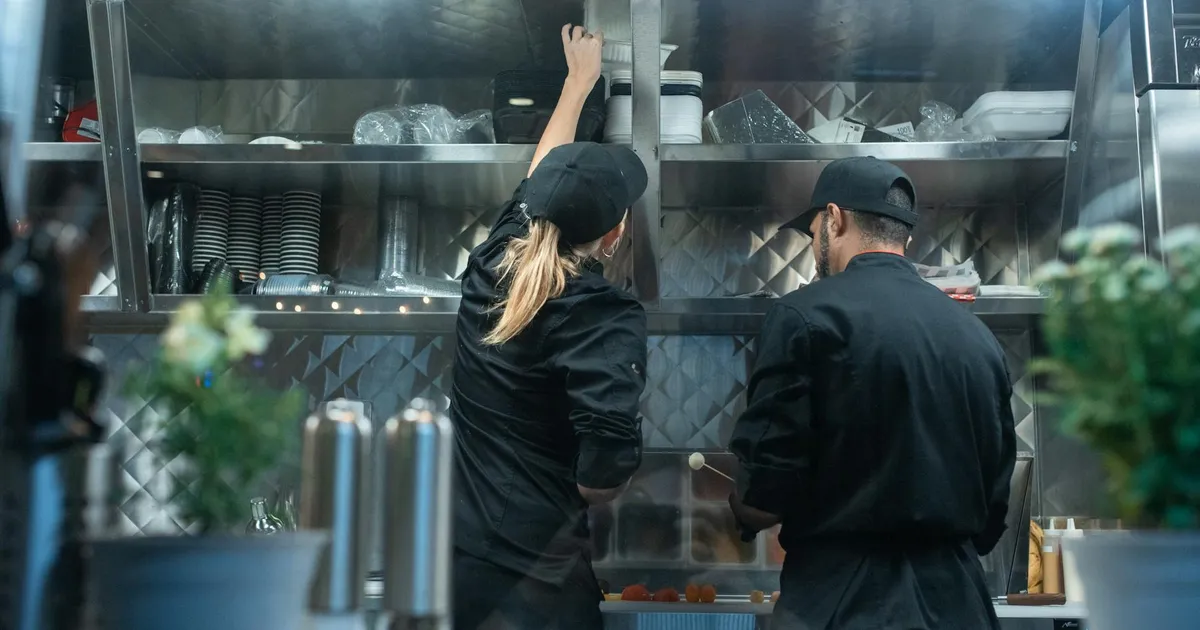
Photo by KitchenTemp via Pexels
Why Improper Cooling Is One of the Deadliest Food Safety Failures
Improper cooling of cooked food is one of the top contributing factors to foodborne illness outbreaks in restaurants. It is also one of the most misunderstood: operators who carefully cook to the correct internal temperature sometimes assume the food is safe once the cooking step is complete. But if hot food is not cooled rapidly, bacteria that survived cooking — or were introduced after cooking — can multiply to dangerous levels as the food slowly cools.
The FDA 2022 Food Code sets strict cooling requirements for this reason. A blast chiller is the most effective tool for meeting those requirements at scale. This guide explains the cooling science, the legal standards, and how to use a blast chiller correctly.
The FDA 2022 Food Code Cooling Requirements
The Two-Stage Cooling Rule
FDA 2022 Food Code Section 3-501.14 establishes a two-stage cooling requirement for cooked TCS foods:
Stage 1: From 135°F (57°C) to 70°F (21°C) — must be completed within 2 hours
Stage 2: From 70°F (21°C) to 41°F (5°C) — must be completed within an additional 4 hours
The total cooling window is 6 hours, with the critical constraint being the first stage. 135°F to 70°F in 2 hours is aggressive — it requires active cooling intervention. You cannot achieve this with a standard refrigerator or walk-in cooler.
Why the 2-Hour First Stage Matters Most
Bacterial growth is most rapid in the temperature range between 70°F and 135°F. The longer food spends in this range, the greater the risk. The two-stage rule is designed to minimize time spent in this highest-risk zone.
Common cooling mistakes that violate this requirement:
- Placing large pots of hot soup directly in the walk-in cooler (internal temperature of a large volume takes hours to drop to 70°F)
- Cooling food in a standard reach-in refrigerator (insufficient cooling power for large batches)
- Covering hot food tightly before it has cooled (traps heat and slows surface cooling)
How a Blast Chiller Works
A blast chiller is a refrigeration unit designed specifically for rapid cooling. Unlike a standard refrigerator (which maintains temperature), a blast chiller actively removes heat from food using high-velocity cold air circulation.
Temperature Performance
| Mode | Target | Typical Time for Standard Food Batch | |------|--------|--------------------------------------| | Soft chill | 37°F (3°C) | 90 minutes | | Hard chill | 37°F (3°C) | 90 minutes | | Blast freeze | -4°F (-20°C) | 240 minutes |
Commercial blast chillers can reduce food from 160°F to 37°F in 90 minutes or less — well within the 2-hour Stage 1 requirement.
Blast Chilling vs. Blast Freezing
Blast chilling cools food to refrigeration temperature (37°F) rapidly. Use this for food that will be stored refrigerated and used within days.
Blast freezing takes food from hot directly to frozen temperature (-4°F). Use this for food that will be stored frozen long-term. Blast freezing preserves food quality better than freezing in a standard freezer because ice crystals form smaller (faster freezing = smaller crystals = less cell damage).
Correct Blast Chiller Operating Procedure
Before Loading
- Pre-cool the blast chiller to operating temperature before loading hot food. Running a warm or room-temperature blast chiller reduces effectiveness significantly.
- Use shallow pans (2 inches or less) for solid foods — deeper pans take significantly longer to chill through.
- Leave food uncovered during the chilling cycle — covering traps steam and heat.
- Remove lids, covers, and all insulating packaging.
Loading the Unit
- Place pans in a single layer if possible, with space between pans for air circulation
- Do not stack pans — stacking blocks airflow
- For soups and liquids: use shallow, wide pans (2" depth maximum) or ice paddle stirrers to increase surface area
- Label each batch with the product name, starting temperature, and time placed in the unit
During the Cycle
Most commercial blast chillers have built-in probes that monitor food core temperature. Program the target:
- Blast chill: target 37-41°F core temperature
- Blast freeze: target -4°F (-20°C) core temperature
Monitor at the 2-hour mark for Stage 1 compliance: food center temperature should be below 70°F.
After the Cycle
- Probe food core temperature with a calibrated thermometer before removing
- Verify the temperature meets your target (not just the unit display — probe the food directly)
- Move food immediately to refrigerated storage or frozen storage
- Document: product, batch size, start temperature, end temperature, cycle duration, and the staff member who ran the cycle
- Cover food after chilling (never cover during chilling)

Documentation Requirements
The blast chiller is a critical control point in your HACCP plan. Documentation is essential.
Cooling Log Template
Every blast chiller cycle should be documented:
| Field | Example | |-------|---------| | Product | Chicken stock | | Batch quantity | 10 gallons | | Start time | 14:30 | | Start temperature (core) | 158°F | | 2-hour checkpoint temperature | 67°F ✓ | | End time | 16:00 | | End temperature (core) | 38°F ✓ | | Staff member | K. Simmons |
A complete cooling log demonstrates compliance with FDA 2022 Food Code 3-501.14 and is one of the most specific records an inspector may request if foodborne illness is ever linked to your operation.
What to Do When Cooling Fails
If food has not reached 70°F within the 2-hour window:
Option 1: If the product can tolerate it, move to an ice bath (stainless pans in large ice/water baths with stirring) to achieve the 70°F threshold, then back to the blast chiller. Document the additional intervention.
Option 2: If the 2-hour window is exceeded and no recovery is possible, discard the batch. Document: product, quantity discarded, reason, time.
Never rationalize keeping food that has exceeded the cooling time limits. The risk is real and the liability is significant.
Blast Chiller Maintenance
| Task | Frequency | |------|-----------| | Clean interior surfaces and door gaskets | After each use | | Check probe thermometer accuracy (ice bath) | Weekly | | Clean condenser coils | Monthly (or per manufacturer) | | Inspect door seals | Monthly | | Full system service | Annually | | Calibrate built-in probes | Per manufacturer schedule |
The blast chiller probe thermometer is a critical instrument. Validate it weekly against a calibrated external reference thermometer.
Cooling Without a Blast Chiller: Acceptable Alternatives
Not every kitchen has a blast chiller. The FDA 2022 Food Code allows alternative cooling methods if they achieve the same time/temperature requirements:
Ice bath method: Place food containers in ice water baths with stirring. Effective for soups, sauces, and liquids. Must be actively stirred and ice replenished. Requires more labor but is accessible to every kitchen.
Ice paddle method: Fill hollow paddles with water and freeze, then stir hot liquids. Speeds cooling of soups and sauces from the inside.
Shallow pan method: Divide large batches into 2-inch-deep pans, place in a single layer in a walk-in cooler. More effective than deep pans, but not as fast as blast chilling for large volumes.
Combination: Use ice bath to reach 70°F quickly (Stage 1), then move to walk-in for Stage 2.
Regardless of the method, the Stage 1 requirement (135°F to 70°F within 2 hours) applies. Cooling logs must document compliance with each cooling cycle.
How KitchenTemp Helps
Blast chiller documentation is a critical HACCP control point. KitchenTemp lets you log cooling cycles directly from your mobile device — start temperature, 2-hour checkpoint, end temperature, and the staff member who performed the cooling. Every cooling event is permanently recorded and linked to your overall compliance report.
Demonstrate your cooling process to any inspector, at any time. Start your free trial at KitchenTemp.