Building a Food Safety Culture in Your Restaurant: From Policy to Practice
How to create a genuine food safety culture in your restaurant — not just compliance on paper. Leadership tactics, team habits, and systems that make safety the norm.
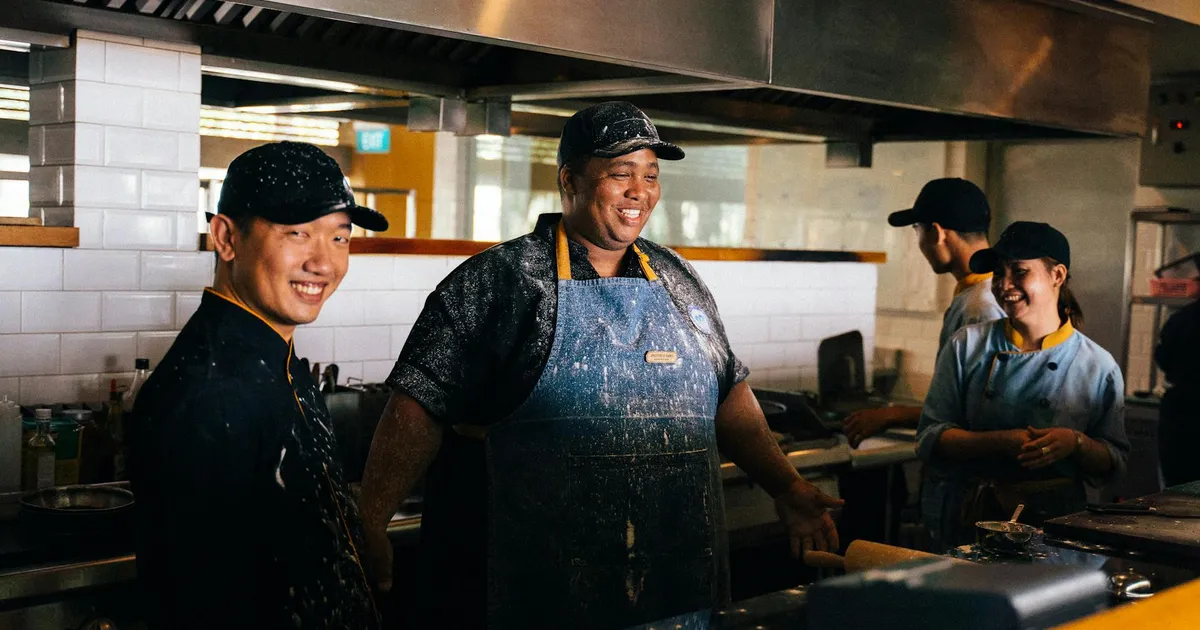
Photo by KitchenTemp via Pexels
The Difference Between Compliance and Culture
Every restaurant has a food safety policy. Most have posters on the wall, a HACCP plan in a binder, and at least one certified food safety manager. But compliance on paper is not the same as a genuine safety culture.
A culture is what people do when no one is watching. It is whether your line cook checks the temperature on the chicken because he genuinely understands why it matters — or because he knows the manager is standing behind him. It is whether a new hire asks about cross-contamination procedures because she wants to get it right, or because she is worried about getting in trouble.
The distinction matters enormously in practice. Compliance-on-paper produces inspections that pass and kitchens that occasionally fail in the gaps. A genuine food safety culture produces kitchens that are consistently safe, and teams that self-correct before managers have to intervene.
Here is how to build the real thing.
Start With Leadership Behavior
Culture follows leadership. If the kitchen manager skips temperature checks when they are busy, the team will skip them too. If the owner complains about the time it takes to log temperatures, that attitude will spread.
The single most powerful thing a restaurant leader can do for food safety culture is model the behavior they want to see — visibly and consistently. That means:
- Washing hands in front of the team, not just in the back
- Stopping service to address a temperature issue, even during a rush
- Taking corrective actions seriously and communicating them to the team
- Never dismissing a food safety concern because it is inconvenient
When the team sees that leadership treats food safety as genuinely important — not just as regulatory overhead — they will internalize the same value.
Make the Why Visible
People follow rules they understand. When a line cook knows that 165°F kills Salmonella because pathogens cannot survive above a certain thermal threshold, she will verify that temperature every time. When she was simply told "chicken needs to hit 165," she may not.
Invest time in communicating the why behind food safety procedures:
- Why we wash hands before every task — Norovirus is transferred by hand contact and can infect someone with as few as 18 viral particles. Your hands touch surfaces. Surfaces touch food.
- Why we check temperatures every four hours — Bacteria double every 20 minutes in the danger zone. A four-hour window is a safety margin, not a suggestion.
- Why we separate raw and ready-to-eat — Ready-to-eat food does not get a second cook. Contaminate it, and it goes directly to the guest.
Brief, regular conversations about the reasons behind procedures build understanding that outlasts any policy document.
Build Food Safety Into Daily Rhythms
Pre-Service Temperature Checks
Make temperature checks the first action of every shift, before anything else begins. This is not just a compliance requirement — it is an operational risk check. Knowing your walk-in is at 39°F before service begins means you can address any issue before it affects the food you are about to serve.
Assign specific temperature-check responsibilities to specific roles. The prep cook checks cold storage at open. The cook checks hot-holding equipment when they turn it on. The closing lead checks everything before lockup. Ownership prevents the diffusion of responsibility that causes things to be skipped.
Post-Rush Reviews
After a busy service, most restaurants do a quick debrief on what went wrong with the food or service. Add food safety to that debrief:
- Were temperatures held throughout service?
- Were there any corrective actions taken?
- Did anyone notice a cross-contamination risk?
This takes two minutes and keeps food safety front of mind without adding a separate meeting.
Daily Huddles
A 5-minute pre-shift huddle is one of the highest-return investments in food safety culture. Cover one topic per day: Monday is handwashing, Tuesday is allergen procedures, Wednesday is cooling, Thursday is storage order, Friday is cleaning. In a week, you have covered the five most critical areas. Rotate the topics and repeat.
The goal is not to lecture — it is to keep food safety in the daily conversation.
Recognize Safe Behavior, Not Just Violations
Most food safety management is reactive: a temperature log flags an issue, a manager corrects it. This is necessary but insufficient for building culture.
Proactive recognition — noticing and acknowledging when someone does something right — is significantly more powerful for habit formation:
- "I saw you re-check the cooler temperature after restocking. That is exactly what we want."
- "Thanks for flagging that the sanitizer bucket needed refreshing. Good eye."
- "Your temperature logs this week were perfect — on time, every check, no gaps."
When safe behavior is noticed and acknowledged, it becomes associated with positive reinforcement rather than just with avoiding punishment. That shift in association changes how people think about compliance.
Address Violations Constructively
When a food safety failure occurs, the response matters as much as the correction.
A blame-heavy culture — one where violations lead to public embarrassment or immediate threats of termination — produces a different problem: staff who hide issues rather than report them. A line cook who knows that flagging an out-of-range temperature will result in a tirade will not flag it. He will write something close and hope for the best.
A constructive response to violations:
- Fix the immediate issue (discard food if necessary, repair the equipment)
- Understand why it happened (confusion about the procedure? Equipment failure? Time pressure?)
- Address the root cause (additional training, equipment repair, procedure revision)
- Document the corrective action
Framing violations as system failures to be solved — not personal failures to be punished — produces a culture where problems surface quickly rather than being hidden.
Create Peer Accountability
The most scalable form of food safety accountability is peer accountability — when team members hold each other to standards without needing a manager present.
Peer accountability does not happen by telling people to watch each other. It develops naturally when the team shares a genuine understanding that food safety is important and that cutting corners affects everyone: the customers, the team's reputation, and potentially the team's jobs.
Foster it by:
- Including all staff in food safety conversations, not just management
- Sharing inspection results with the team (both good and bad)
- Recognizing team performance on food safety, not just individual performance
- Making it easy to raise a concern without fear of social friction
Use Technology to Reduce Friction
One of the most common reasons food safety culture breaks down is friction. When logging a temperature requires finding the right form, looking up the right column, writing legibly, and filing the paper in the right binder, people skip it when they are busy. And they are always busy.
Reducing the friction of compliance procedures is a direct investment in culture. When logging a temperature takes ten seconds on a phone, it gets done. When an alert fires automatically when a cooler temperature drifts, the corrective action happens before anyone has to notice or remember.
Technology does not replace culture — but it removes the friction that erodes it.
Measuring Your Food Safety Culture
Culture is hard to measure directly, but these proxies tell you where you stand:
- Log completion rate — Are temperature logs complete every shift, or are there regular gaps?
- Corrective action frequency — Are corrective actions being taken (which means problems are being caught), or are logs suspiciously perfect?
- Health inspection scores over time — Are scores improving, consistent, or declining?
- Staff self-reporting — Do staff members raise food safety concerns proactively?
- Near-miss reports — Does your team report near-misses (e.g., food briefly left at the wrong temperature and caught in time), or do those go unreported?
A culture where near-misses are reported is a healthier culture than one where every log is perfect and nothing ever goes wrong.
How KitchenTemp Helps
Building a food safety culture requires good systems, consistent documentation, and clear visibility into what is happening across your operation.
KitchenTemp gives managers a real-time dashboard showing temperature compliance across every station, every shift. When a staff member logs a corrective action, it is recorded automatically — giving managers the data to have constructive coaching conversations rather than guessing about what happened.
The system makes it easy to recognize good performance (complete logs, proactive corrective actions) and to identify where the gaps are before they become inspection findings.
Start your free trial at KitchenTemp and give your team the tools that support a genuine safety culture.