Commercial Refrigerator Maintenance Guide for Restaurants
Complete commercial refrigerator maintenance guide. Temperature targets, cleaning schedules, troubleshooting common problems, and when to call a technician.
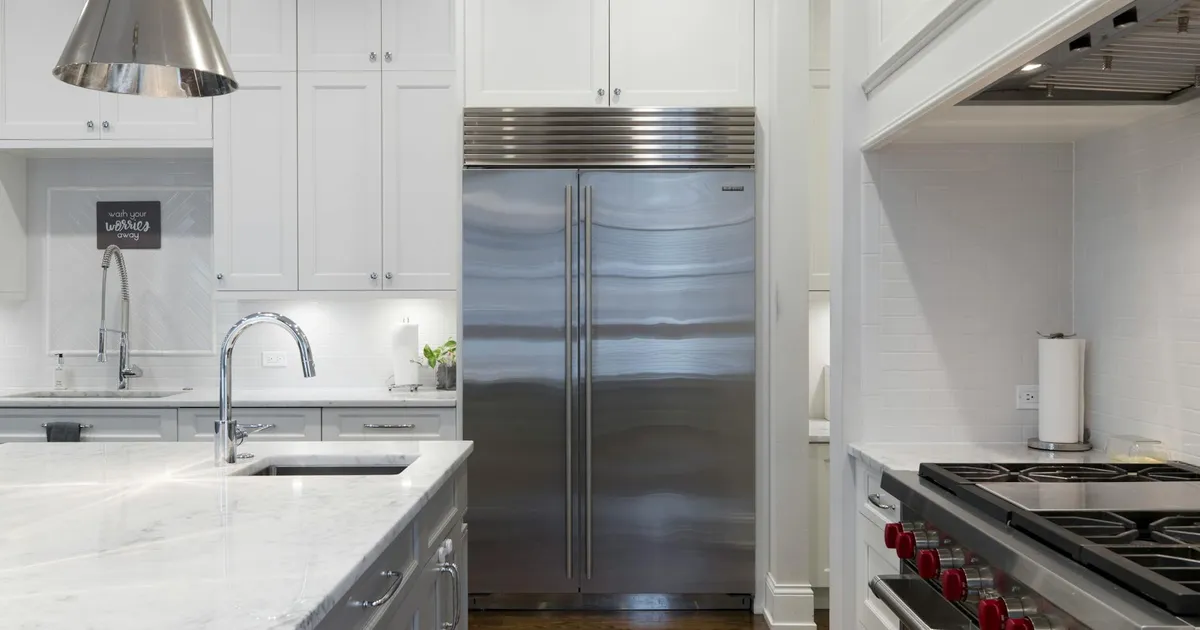
Photo by KitchenTemp via Pexels
The Hidden Cost of Neglected Refrigeration
Commercial refrigerators are the workhorses of every food service operation. They run continuously, are opened hundreds of times per day during service, and are often the last piece of equipment to receive dedicated maintenance attention.
The consequence of neglect is predictable: units that drift above the 41°F threshold without anyone noticing, gaskets that fail and allow warm air to infiltrate, compressors that work overtime and fail prematurely. Beyond the equipment replacement cost, a refrigeration failure means food loss, a potential critical health inspection violation, and the possibility of unsafe food reaching customers.
A documented maintenance program for your commercial refrigerators is not overhead — it is the most cost-effective food safety investment you can make.
Temperature Requirements by Unit Type
The FDA 2022 Food Code establishes one cold-holding standard: TCS (Time/Temperature Control for Safety) foods must be held at ≤41°F (5°C). But different types of refrigeration units have different operational targets to maintain that standard reliably.
| Equipment Type | Target Operating Range | Legal Maximum (Food) | |----------------|----------------------|---------------------| | Reach-in refrigerator | 35-38°F (2-3°C) | 41°F (5°C) | | Undercounter refrigerator | 35-38°F (2-3°C) | 41°F (5°C) | | Prep table (cold rail) | 33-38°F (1-3°C) | 41°F (5°C) | | Display/deli case | 35-40°F (2-4°C) | 41°F (5°C) | | Beer/beverage cooler (with food) | 35-41°F (2-5°C) | 41°F (5°C) | | Walk-in cooler | 35-38°F (2-3°C) | 41°F (5°C) |
Running units 3-5°F below the legal maximum gives you a buffer against the temperature fluctuations that occur with normal use (door openings, adding new product, high-volume service periods).
The Daily Temperature Check
Every commercial refrigerator in your kitchen should be temperature-checked at the start of each shift. This is not optional — it is both an FDA 2022 Food Code best practice and a basic food safety control.
How to Perform the Check
- Read the unit thermometer — every commercial refrigerator must have a thermometer visible without opening the door (FDA 2022 Food Code 4-204.112). Record this reading.
- Probe a representative food item — the unit thermometer measures air temperature, which fluctuates with door cycles. Probing food gives you the actual food temperature. Choose the product positioned in the warmest part of the unit (typically near the door).
- Compare to your target range — if either air or food temperature is above 41°F, take corrective action immediately.
- Document the reading — date, time, unit name, air temperature, food temperature, and staff member.
What a Complete Log Looks Like
| Date | Time | Unit | Air Temp | Food Temp | Staff | Corrective Action | |------|------|------|----------|-----------|-------|-------------------| | 03/26 | 6:15 AM | Reach-in 1 | 37°F | 38°F | M. Torres | None required | | 03/26 | 6:15 AM | Reach-in 2 | 43°F | 41°F | M. Torres | Adjusted thermostat; re-checked at 6:45 AM (38°F) | | 03/26 | 6:20 AM | Prep table | 36°F | 37°F | M. Torres | None required |
This is what a health inspector wants to see — not just acceptable readings, but evidence that you check every unit, every shift, and that you respond documented-ally when readings are out of range.
Preventive Maintenance Schedule
Daily (Kitchen Staff)
- [ ] Check and record temperature in all units at shift start
- [ ] Verify door gaskets are sealing (feel for warm air around the perimeter with the door closed)
- [ ] Check that doors are fully closing after every service interaction
- [ ] Remove any food buildup from gaskets (bacteria grows in gasket folds)
- [ ] Verify the unit thermometer is visible and readable
Weekly (Kitchen Manager)
- [ ] Wipe down all interior surfaces, shelves, and door liner
- [ ] Inspect gaskets for cracks, tears, or stiffening — replace if damaged
- [ ] Check condenser area for dust accumulation (if accessible)
- [ ] Test probe thermometer accuracy using ice bath (should read 32°F ± 2°F)
- [ ] Check drain pan beneath unit — remove standing water

Monthly (Kitchen Manager + Facility)
- [ ] Clean condenser coils (reach-in units have coils at the bottom or back; clean with a soft brush or vacuum)
- [ ] Check evaporator fan blades for ice buildup
- [ ] Verify thermostat accuracy by comparing unit thermometer to a calibrated probe
- [ ] Lubricate door hinges if squeaking or stiff
- [ ] Check interior lighting — replace burned-out bulbs immediately
- [ ] Inspect shelving for corrosion or damage
Annually (Certified Refrigeration Technician)
- [ ] Full refrigeration system inspection and service
- [ ] Refrigerant level check and top-up if needed
- [ ] Compressor inspection
- [ ] Electrical connection check
- [ ] Thermostat calibration verification
- [ ] Door closer and hinge adjustment
Troubleshooting Common Problems
Unit Running Too Warm (Above 41°F)
Check these causes in order:
- Door not sealing — test gasket by closing the door on a piece of paper; it should grip firmly. If the paper slides out easily, the gasket needs replacement.
- Condenser coils dirty — blocked condenser coils are the most common cause of chronic over-temperature. Clean or schedule professional cleaning.
- Overloaded unit — too much warm product added at once overwhelms cooling capacity. Never fill a unit above 75-80% capacity.
- Hot food added without pre-cooling — all food must be at or near 41°F before going in the unit. Never add hot or warm food to a refrigerator.
- Compressor issue — if the above checks don't resolve the issue, call a refrigeration technician.
Ice Buildup on Evaporator
Cause: Too-frequent defrost cycling, door left open, or defrost drain clogged.
Fix: Manually defrost (turn unit off, place towels to catch water). Clear the drain. If it recurs, call a technician — the defrost heater or thermostat may be malfunctioning.
Excessive Condensation on Exterior
Cause: Door left open frequently, high-humidity environment, or door gasket failing.
Fix: Inspect and replace gaskets. Reduce how long doors are open during service. In very humid kitchens, a dehumidifier near refrigeration units may help.
Unit Running Continuously (Never Cycling Off)
Cause: Unit cannot reach set temperature, often due to dirty condenser, low refrigerant, or failing compressor.
Fix: Clean condenser coils first. If the unit still doesn't cycle off after cleaning, call a refrigeration technician — continuous running will shorten compressor life significantly.
Calibration: Trusting Your Readings
Commercial refrigerators are only as reliable as their thermometers. Every unit thermometer should be verified monthly against a calibrated reference thermometer.
Ice-point calibration method:
- Fill a glass with crushed ice and cold water — let it sit for 3 minutes
- Insert your reference probe thermometer (it should read 32°F / 0°C ± 1°F)
- Compare this to the unit's built-in thermometer at its next reading
- If the unit thermometer is off by more than 2°F, replace it or have it recalibrated
Document every calibration check and its result. This protects you in any temperature dispute with a health inspector.
Storage Practices That Protect Refrigeration Performance
Equipment can only perform as well as how you use it:
- Pre-cool food before loading: All cooked food must cool to 41°F (using a blast chiller or ice bath) before entering a refrigerator. Placing 165°F food into a refrigerator can raise the unit's interior temperature significantly and expose surrounding product to unsafe temperatures.
- Allow air circulation: Do not pack units to capacity. Air needs to circulate around stored food to maintain even cooling.
- Minimize door open time: During service, reach-in refrigerators can be opened hundreds of times. Each opening allows warm kitchen air to enter. Keep doors closed except when actively retrieving items.
- Keep the area around units clear: Condenser coils need adequate ventilation. Do not store items against the back or bottom of reach-in units.

Documentation: What to Keep on File
For compliance and warranty purposes, maintain:
- Equipment model number, serial number, and purchase date
- Service history: dates, technicians, work performed
- Temperature log records (minimum 30 days current)
- Calibration records for all thermometers
- Gasket replacement dates
How KitchenTemp Helps
Manually logging temperatures across multiple refrigeration units every shift is time-consuming and prone to gaps. KitchenTemp enables continuous or scheduled temperature logging for every unit, with automated alerts when any unit exceeds your threshold — before food safety is compromised.
Your temperature log is always complete, always current, and always available. Start your free trial at KitchenTemp.