Cross-Contamination Prevention in Restaurant Kitchens: A Complete Guide
Prevent cross-contamination in your restaurant kitchen with proven procedures for storage, equipment, allergen handling, and staff training. Reduce food safety risk today.
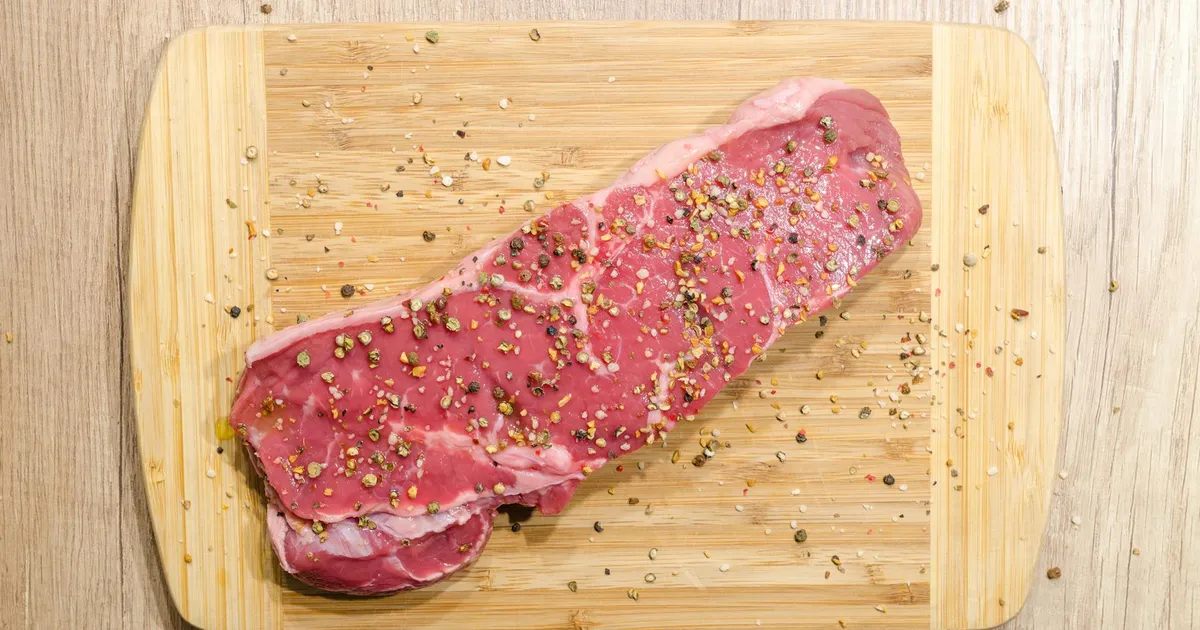
Photo by KitchenTemp via Pexels
Understanding Cross-Contamination
Cross-contamination is the transfer of harmful microorganisms or allergens from one food, surface, or person to another. It is one of the five leading causes of foodborne illness outbreaks identified by the CDC and one of the most preventable.
Unlike temperature violations, which are caught by a thermometer, cross-contamination is largely invisible. You cannot see Salmonella moving from raw chicken to a cutting board and then to a salad. By the time the consequences appear — in the form of a sick customer or a failed inspection — the contamination happened hours earlier.
This guide covers the practical procedures that prevent cross-contamination in a working restaurant kitchen.
The Three Pathways of Cross-Contamination
Food to Food
The most common pathway. Raw animal proteins (poultry, meat, seafood) carry pathogens that ready-to-eat foods do not. When raw proteins drip on, touch, or share surfaces with ready-to-eat foods, those pathogens transfer.
The most common scenarios:
- Raw chicken stored above ready-to-eat produce in the walk-in
- A cutting board used for raw beef then used (without sanitizing) for tomatoes
- Hands that handled raw fish then touch a finished salad
- Juices from raw meat dripping into a container of cooked food during thawing
Equipment to Food
Contaminated equipment — cutting boards, prep tables, slicers, thermometer probes — transfer pathogens to every food item that contacts them until they are properly cleaned and sanitized.
High-risk equipment:
- Slicers that are partially cleaned between uses
- Thermometer probes not sanitized between readings
- Ice machines with mold growth
- Can openers with accumulated debris
Person to Food
Contaminated hands, gloves, clothing, and respiratory secretions transfer pathogens to food. This is why handwashing and illness policies exist.
The Color-Coded Cutting Board System
The most widely used cross-contamination control in commercial kitchens is the color-coded cutting board system. Each color designates a specific food category:
| Color | Food Category | |-------|--------------| | Red | Raw beef and pork | | Yellow | Raw poultry | | Blue | Raw seafood | | Green | Produce and fruits | | White | Dairy and bread | | Brown | Cooked meats |
The system works only when the boards are used consistently and never substituted. A prep cook who uses a yellow board for produce because the green one is in the dishwasher is defeating the entire system.
Enforce the system with:
- Wall hooks or racks with labeled slots for each color
- Regular counts to ensure all boards are accounted for
- Replacement of boards that are deeply grooved or discolored (cracks harbor bacteria)
Proper Storage Order in the Walk-In
The walk-in cooler is the highest-risk location for drip contamination. Raw proteins stored above ready-to-eat foods will eventually drip onto those foods. Proper storage order eliminates this risk.
Store from top shelf to bottom shelf in this order:
- Ready-to-eat foods (cooked items, produce, dairy, deli meats)
- Whole fish
- Whole beef and pork
- Ground meat and ground fish
- Whole and ground poultry (lowest shelf — highest minimum cooking temperature)
The principle: foods with higher minimum cooking temperatures go lower. If a drip occurs, it falls onto a food that will be cooked to a higher temperature, which will destroy the contaminating pathogen.
All items must be:
- Covered or wrapped
- Labeled with the date and contents
- Stored at least 6 inches off the floor
Equipment Sanitation Between Tasks
The Critical Moment: Switching from Raw to Ready-to-Eat
Any time a food contact surface — cutting board, prep table, slicing blade, prep bowl — has been in contact with raw protein and will next contact ready-to-eat food, it must be fully cleaned and sanitized before that transition.
The procedure:
- Remove all food debris (scrape or brush)
- Wash with hot soapy water
- Rinse with clean water
- Apply sanitizer solution (correct concentration, appropriate contact time)
- Air dry — never towel dry
In high-volume operations, a second dedicated surface for ready-to-eat prep is more practical than constant switching. If you can designate a separate prep zone for cooked and ready-to-eat items, use it.
Thermometer Probe Sanitation
Every probe thermometer reading is a potential cross-contamination event. After reading the internal temperature of raw chicken, the same probe should not immediately go into a ready-to-eat food.
Sanitize probes between readings:
- Wipe with a sanitizer wipe or dip in sanitizer solution
- Allow appropriate contact time (check manufacturer guidance)
- Allow to air dry before the next reading
Digital thermometers with separate probes for raw and ready-to-eat are a worthwhile investment for high-volume operations.
Allergen Cross-Contact
Cross-contact is the allergen equivalent of cross-contamination: the unintentional transfer of an allergen from a food that contains it to a food that should not. Unlike bacterial cross-contamination, allergen cross-contact cannot be eliminated by cooking — allergens are proteins, not organisms.
The Big 9 allergens requiring label disclosure under FDA rules:
- Milk
- Eggs
- Fish
- Shellfish
- Tree nuts
- Peanuts
- Wheat
- Soybeans
- Sesame (added in 2023)
Allergen Cross-Contact Prevention Procedures
For regular service:
- Know which menu items contain each of the Big 9
- Never add an allergen-containing ingredient to a dish listed as allergen-free
- Use dedicated utensils and equipment for allergen-free preparations
When a guest reports an allergy:
- Notify the kitchen immediately — this order needs special handling
- Use a clean plate that has not been near the allergen
- Use clean or dedicated utensils
- Prepare on a cleaned and sanitized surface (or a dedicated allergen-free surface if available)
- Ensure the server and kitchen use verbal communication, not just ticket notations
High-risk equipment for allergen cross-contact:
- Fryers (nut oils, gluten from breaded items contaminate shared oil)
- Grills (allergen residue from previous items)
- Slicers (gluten and dairy residue if not fully sanitized between uses)
- Shared mixing bowls and utensils
Hand Hygiene as Cross-Contamination Control
Hands are the most mobile cross-contamination vector in any kitchen. A cook who handles raw chicken and then handles a finished plate without washing hands has created a direct contamination pathway.
When Handwashing Is Required
- Before starting food preparation
- After handling raw meat, poultry, or seafood
- After touching the face, hair, or body
- After handling garbage
- After using the restroom
- After sneezing, coughing, or blowing the nose
- After handling money or a phone
- After removing gloves (gloves do not replace handwashing — they supplement it)
- After any change of task involving a transition from raw to ready-to-eat
Glove Use
Gloves reduce — but do not eliminate — cross-contamination risk. Critical points:
- Gloves must be changed when switching from raw to ready-to-eat tasks
- Gloves must be changed after touching the face, hair, or phone
- Hands must be washed before putting on new gloves
- Torn or perforated gloves must be replaced immediately
A common misconception: because gloves are worn, handwashing is optional. The opposite is true — gloves should always be accompanied by proper handwashing.
Monitoring for Cross-Contamination Risks
Cross-contamination prevention requires active monitoring, not just passive procedure. Build these checks into daily operations:
Opening checks:
- Walk-in storage order: are raw proteins stored correctly?
- Cutting board inventory: are all colors present and assigned?
- Sanitizer buckets: are they prepared at the correct concentration?
- Thermometer probes: are they clean and sanitizer wipes available?
During service:
- Monitor hand-washing compliance at stations
- Ensure sanitizer buckets are refreshed every 2 hours (sanitizer degrades)
- Verify that allergen tickets are being handled with special procedures
Closing checks:
- All surfaces cleaned and sanitized
- Walk-in restocked in correct order after delivery
- Equipment cleaned (slicers, thermometers, prep bowls)
How KitchenTemp Helps
KitchenTemp keeps your cross-contamination prevention documented alongside your temperature records. When a health inspector wants to review your corrective action log — including any incidents related to cross-contamination risks — you have a complete, timestamped record.
The system allows managers to create custom monitoring tasks beyond temperature logging, ensuring that allergen control procedures, equipment sanitation checks, and opening/closing food safety tasks are all documented in one place.
Start your free trial at KitchenTemp and document your cross-contamination prevention program as rigorously as your temperature logs.