Egg Cooking Temperature Guide for Restaurants: FDA Requirements Explained
Whole eggs cook to 145°F, pooled eggs to 160°F. This guide covers every egg preparation, Salmonella risks, and how to keep your egg station compliant.
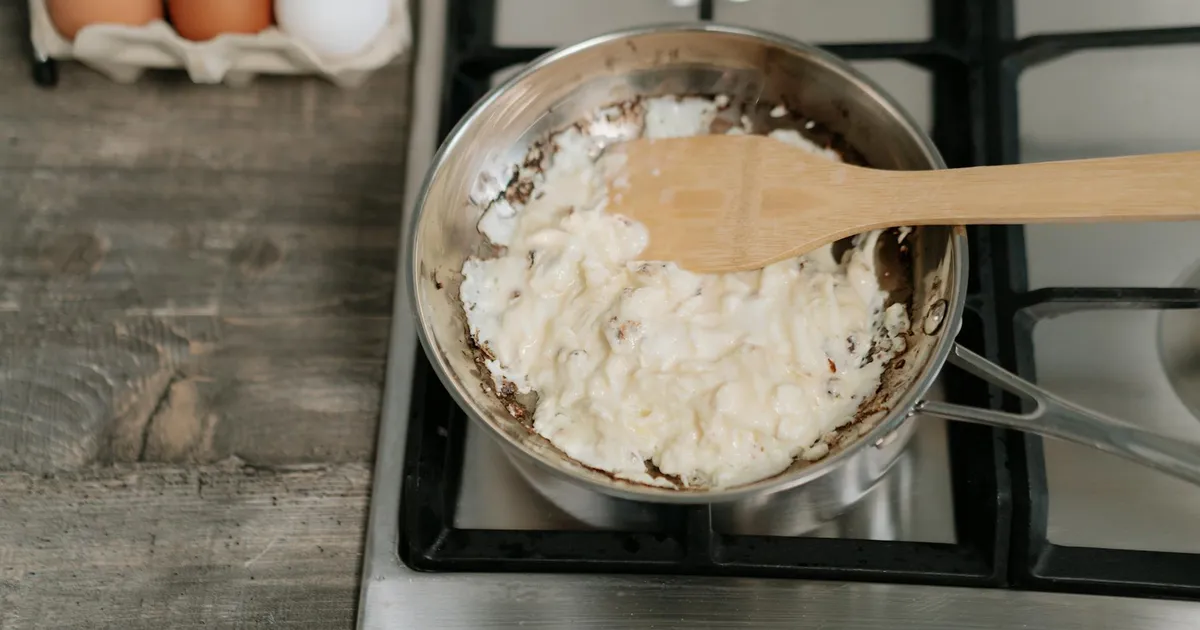
Photo by KitchenTemp via Pexels
FDA Temperature Requirements for Eggs
Eggs have two distinct temperature standards depending on how they are prepared, and confusing them is a compliance risk:
Whole shell eggs (intact, cooked to order): 145°F (63°C) internal temperature, held for 15 seconds. This applies to fried, poached, and other whole-egg preparations where the egg is kept intact throughout cooking.
Pooled eggs (broken out and combined): 160°F (71°C) internal temperature. When eggs are cracked and combined — for scrambled eggs, omelets, frittatas, quiches, or any application where multiple eggs are mixed — the higher threshold applies. This mirrors the ground meat logic: pooling distributes any contamination from one egg throughout the entire batch.
Consumer advisory exception: Some jurisdictions permit restaurants to serve eggs cooked below these temperatures (runny yolks, over-easy, soft scramble) with a consumer advisory posted on the menu. Know your local regulation. The consumer advisory does not apply to vulnerable populations — eggs served to nursing homes, hospitals, schools, or children's menus must meet the full temperature standards.
Why Eggs Are a High-Risk Food
Eggs are one of the most common vehicles for Salmonella Enteritidis in the food supply. Unlike Salmonella on the shell surface (addressed by washing), SE is unique in that it can be present inside the egg itself, transmitted from an infected hen. This contamination cannot be detected visually.
The CDC estimates that contaminated eggs cause approximately 79,000 illnesses and 30 deaths annually in the United States. Restaurant settings are disproportionately represented in outbreak data because of the volume of eggs handled and the practice of pooling eggs for volume cooking.
Proper cooking temperature is the single most effective control against egg-associated Salmonella.
Temperature Reference Table for Egg Preparations
| Preparation | Minimum Internal Temp | Notes | |-------------|----------------------|-------| | Fried egg (over easy, over medium) | 145°F (63°C) | Yolk may be runny; consumer advisory may be required | | Fried egg (over hard, over well) | 160°F (71°C) | Yolk fully set | | Poached egg | 145°F (63°C) | White set, yolk runny — consumer advisory may apply | | Scrambled eggs (pooled) | 160°F (71°C) | Fully cooked throughout | | Omelet (pooled eggs) | 160°F (71°C) | No wet, runny interior allowed without advisory | | Frittata / baked egg dish | 160°F (71°C) | Center must reach temperature | | Quiche | 160°F (71°C) | Check center of set custard | | Hard-boiled egg | 160°F (71°C) | Fully set yolk and white | | Pasteurized shell eggs | 145°F (63°C) | Pre-pasteurized eggs have reduced risk | | Liquid pasteurized eggs | 160°F (71°C) when cooked | Pasteurized in liquid form, not heat-stable when pooled |
Managing Egg Safety on a High-Volume Breakfast Line
Pooled Egg Controls
The highest-risk practice in egg cookery is holding a large pool of cracked raw eggs:
- Pool size should be limited. Do not crack dozens of eggs into a large container and hold them for the full service period. Pool in smaller quantities that will be used within 30 minutes.
- Hold pooled eggs at 41°F (5°C) or below. If pooled raw eggs are not being actively cooked, they must be refrigerated. Never leave a bowl of cracked eggs at ambient kitchen temperature.
- Use immediately. The safest practice is crack-to-cook: crack eggs directly for each order. For volume operations, crack in small batches, refrigerate, and use within 30 minutes.
- Pooled eggs from cracked shells or liquid pasteurized egg products: do not assume liquid pasteurized eggs are safe to serve raw or undercooked. They are pasteurized (killing pathogens in the liquid form), but once they are pooled and cooked, they must reach 160°F (71°C).
Temperature Verification for Scrambled Eggs
Scrambled eggs are difficult to probe because they move. Best approach:
- Cook in a single layer on the griddle or in a pan, stirring frequently.
- Do not serve when any portion of the scrambled egg is wet, runny, or translucent.
- For compliance logging, probe the center of the pan when eggs are fully coagulated.
- For steam table scrambled eggs (breakfast buffet service), verify temperature every 30 minutes.
Fried Eggs to Order
For whole fried eggs:
- Sunny side up does not reach 145°F (63°C) in the yolk. It requires either a consumer advisory or to be cooked longer (basting with hot oil, steaming with a cover, or flipping to over-hard).
- Over easy: White is set, yolk is still runny. Internal yolk temperature may be below 145°F (63°C). Consumer advisory may be required.
- Over medium / over well: More likely to reach 145°F (63°C) throughout. Use a thin-probe thermometer to verify on the yolk if compliance is required.
The practical reality: most restaurants use a consumer advisory for runny-yolk preparations and hold the full standard only for menu items where fully cooked eggs are appropriate.

Receiving and Storing Eggs
Shell Eggs
- Must arrive refrigerated at 45°F (7°C) or below (USDA requires shell eggs to be refrigerated in transit).
- Store at 41°F (5°C) or below in your refrigeration unit.
- Do not wash eggs before storage — the commercial washing process has already been done. Rewashing can remove the protective coating and introduce bacteria.
- Use within the sell-by date. Inspect for cracked shells before service — cracked shells increase contamination risk.
Liquid Pasteurized Eggs
- Must arrive and be stored at 41°F (5°C) or below.
- Use by the manufacturer's date.
- Once opened, use within 3–7 days per manufacturer recommendation.
- Do not refreeze liquid eggs that have been thawed.
Hard-Boiled Eggs
- Shell on: store at 41°F (5°C) or below, use within 1 week.
- Peeled: store in cold water at 41°F (5°C) or below, use within 1 week, change water daily.
Consumer Advisory: When and How
A consumer advisory for undercooked eggs should:
- Be posted on the menu (not just a verbal disclosure)
- Identify the items that may be served undercooked
- State explicitly that consuming raw or undercooked eggs may increase the risk of foodborne illness
Most jurisdictions require this to be printed on the menu. A placard on the table or at the station is sometimes accepted as a supplement but rarely as a standalone disclosure.
Consumer advisories do not apply to high-risk populations. If your operation serves vulnerable individuals — children (especially under age 5), elderly guests, immunocompromised individuals, pregnant guests — apply the full temperature standards regardless of advisory policies.

Logging Egg Station Compliance
Your egg station temperature log should differentiate between whole-egg and pooled-egg preparations:
- For scrambled eggs and omelets: log cooking temperature once per batch or per 30-minute service period
- For fried eggs: log a spot check per service period for the specific preparations being served (noting whether a consumer advisory is in use)
- For hot-held scrambled eggs (buffet): log every 30 minutes
- For pooled raw egg storage: log temperature of the holding container every 30 minutes if held longer than 30 minutes
How KitchenTemp Helps
KitchenTemp supports separate logging profiles for whole-egg and pooled-egg preparations, with the correct threshold applied automatically to each type. Buffet scrambled egg checks can be scheduled at 30-minute intervals with mobile reminders for your team. All egg station logs — cooking temps, holding temps, and consumer advisory confirmation — are stored in one compliance record. Start your free trial at KitchenTemp and bring your egg station into full compliance without adding paperwork.