Fast Food Temperature Compliance: Meeting Standards at High Volume and High Speed
Temperature compliance strategies for fast food and quick service restaurants. High-volume holding, cooking, and documentation at the speed QSR operations require.
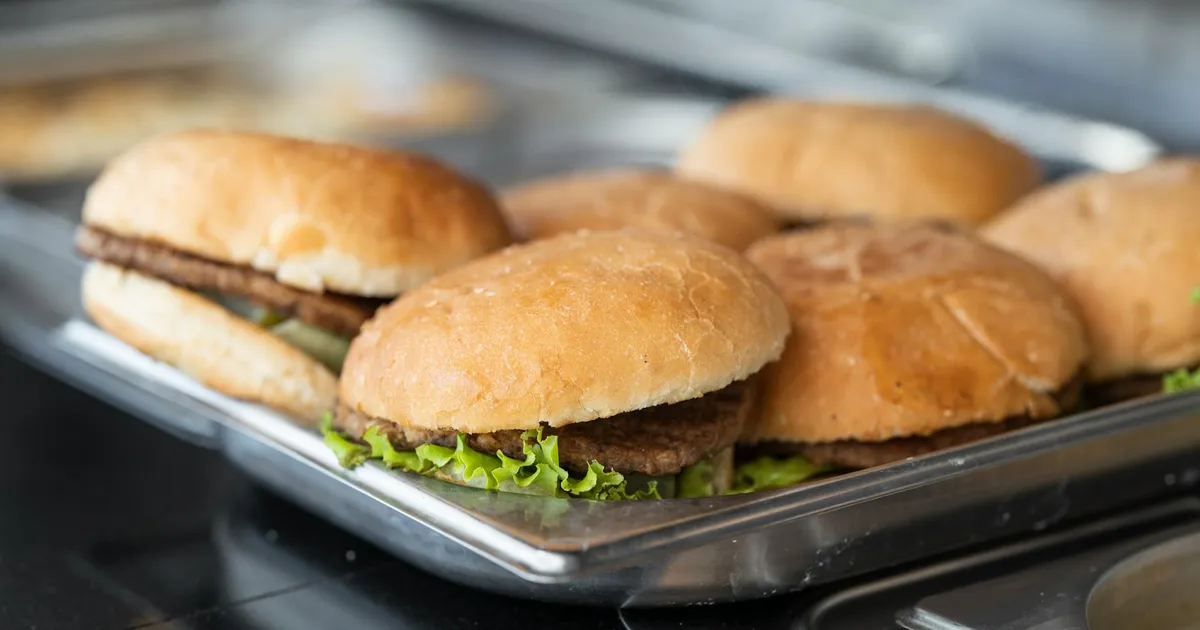
Photo by KitchenTemp via Pexels
The QSR Food Safety Challenge
Quick service restaurants (QSRs) operate under constraints that no other food service format faces in quite the same combination: extreme volume, minimal staff, high turnover, a tightly compressed service timeline, and a customer expectation of food in under three minutes.
Every food safety procedure that works well in a full-service restaurant kitchen — deliberate temperature checks, careful documentation, thorough corrective action workflows — must somehow survive the pace of a QSR environment where 300 transactions happen per hour and a 20-second delay is visible to everyone waiting in line.
This does not mean food safety standards are lower in QSRs. The same temperatures apply. The same documentation requirements exist. The same inspection criteria are used. What differs is the operational design required to meet those standards at QSR pace.
The Temperature Model for QSR Operations
Quick service restaurants operate primarily on a cook-hold-serve model: food is cooked in batches, held at temperature in equipment designed for QSR service, and served from holding. This differs from made-to-order fine dining, where each item is cooked and served immediately.
The cook-hold-serve model creates specific temperature control points:
Cooking
In QSR operations, cooking is typically done in standardized equipment (fryers, flat-top grills, conveyor ovens) set to specific temperatures verified to cook food to safe minimum internal temperatures. The equipment temperature is calibrated to ensure that properly sized portions reach the correct internal temperature in the specified cook time.
However, equipment temperature does not equal food temperature. Fryer oil that is at the set temperature will still undercook food if:
- The food is loaded too densely (causing oil temperature to drop significantly)
- The food is partially frozen when placed in the fryer
- The basket timer is overridden or bypassed
- Equipment is not calibrated correctly
QSR operators should periodically verify that equipment cooking cycles actually produce properly cooked food by checking the internal temperature of cooked items with a calibrated probe thermometer. This is especially important after equipment maintenance, at seasonal menu rollouts, and when new items are introduced.
Hot Holding
Hot-holding equipment in QSR operations is designed to maintain food above 135°F during the holding window. Most QSR brands establish maximum hold times for each menu item — the period during which food can be held before quality deteriorates. Those hold times are typically well within the food safety holding limit, making quality the binding constraint rather than safety.
The food safety risk in QSR hot holding occurs when:
- Equipment is not functioning correctly (hold lamp burned out, steam table element failing)
- Food is held past brand-established hold times AND equipment is not maintaining 135°F
- Power interruptions affect holding equipment
Log hot-holding temperatures at the start of service, at the 2-hour mark, and at shift close. For high-volume operations, consider logging at each 2-hour interval throughout the entire operating day.
Cold Holding and Prep Tables
QSR prep tables — the refrigerated rail systems that hold toppings, sauces, and ready-to-eat ingredients on the make line — are a commonly overlooked temperature risk. These units maintain a cold air stream over the product, but open tops and high traffic can result in surface temperatures of toppings drifting toward the danger zone during busy service.
Monitor prep table temperatures at the start of service and during busy periods. If toppings are in shallow pans on an open rail, cycle them out frequently during high-volume periods and replenish from refrigerated storage.
High-Turnover Staff and Food Safety Training
QSR operations have among the highest staff turnover rates in the food service industry — 130–150% annually in many chains. This means the average QSR employee has been on the job for less than eight months.
Rapid Onboarding That Actually Works
QSR food safety onboarding must work in a compressed timeframe and for staff who may have little to no prior food service experience. Effective approaches:
Procedure-based training, not concept-based: QSR staff do not need to understand why chicken must reach 165°F in the same depth as a restaurant manager. They need to know the specific procedure for verifying temperature in your operation, what to do if the reading is wrong, and who to tell.
Visual and video training: QSR chains have invested heavily in short video training modules that can be completed on a tablet or phone in 15–20 minutes. These are more effective for the QSR workforce than reading a manual.
On-the-job demonstration: Show the procedure, then watch the employee do it. Repeat on day two. Competency is established by observation, not by test score.
Minimal critical information, consistently reinforced: Pick the five most critical food safety behaviors for your operation (handwashing, cooking temperature verification, hold time management, date labeling, corrective action reporting) and reinforce them daily.
Training Documentation
Even in a high-turnover environment, training records matter. Health inspectors will ask whether employees have received food safety training, and what that training covered. Document completion of each training module, maintain a training log by employee, and keep records for the duration of employment plus 12 months.
Temperature Logging in QSR Operations
Paper temperature logs are particularly problematic in QSR environments: they are often completed in batches (from memory, at the end of a shift), are susceptible to the "pencil whipping" problem (entering readings that look correct without actually measuring), and are physically difficult to maintain in a fast-paced kitchen.
High-Frequency Logging Requirements
Most QSR operations should log:
- Opening and closing equipment temperatures daily
- Hot-holding temperatures every 2 hours during service
- Cooking temperature spot checks for each protein (recommended: one per cooking batch minimum)
- Cooling temperatures if any batch cooking/cooling occurs

Making Logging Work at QSR Pace
To survive QSR pace, temperature logging must take under 30 seconds per entry. Digital logging on a mounted tablet or staff phone achieves this. The staff member takes a reading, enters the value, submits — no paper form, no column to identify, no filing required.
For high-volume QSR operations, consider:
- A dedicated 2-minute slot every 2 hours for one staff member to complete a temperature round (all equipment)
- Equipment positioning that places the thermometer next to each logging station
- Automated alerts that remind staff when a logging window is approaching
Franchise Compliance Requirements
Most QSR operators are franchisees of national or regional chains. Franchise agreements typically include food safety compliance standards that are at least as stringent as local health code requirements, and often more so.
Franchise food safety requirements typically include:
- Required temperature logging frequency (often more specific than local health code)
- Approved probe thermometer models and calibration schedules
- Required corrective action documentation format
- Periodic food safety audits by the franchisor (in addition to health department inspections)
- Minimum scores required on food safety audits
Maintain documentation that satisfies both the local health department and the franchisor. In most cases, a system that meets one will meet both — but verify against both sets of requirements.
How KitchenTemp Helps
KitchenTemp is designed for the pace and operational constraints of QSR operations. The three-tap logging interface takes under 15 seconds per entry — realistic for a busy QSR kitchen. Automated alerts remind staff when logging windows are due. Manager dashboards show compliance in real time from any device.
For franchisees, KitchenTemp provides the documentation consistency that satisfies both local health inspectors and franchisor food safety audits.
Start your free trial at KitchenTemp — and run compliance at the speed your operation demands.