HACCP for Fine Dining Restaurants: Compliance Without Compromising Cuisine
How fine dining restaurants implement HACCP while preserving culinary standards. Handling raw proteins, curing, fermentation, sous vide, and variance requirements for elevated menus.
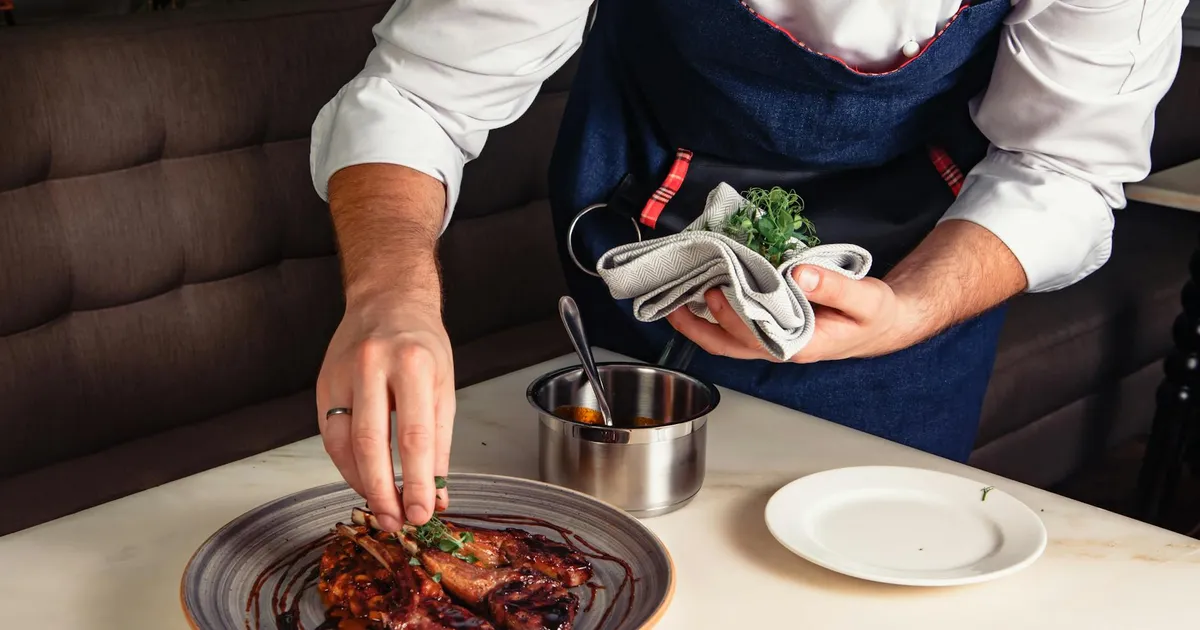
Photo by KitchenTemp via Pexels
The Intersection of Culinary Excellence and Food Safety
Fine dining kitchens present a unique food safety compliance challenge: many of the techniques that distinguish elevated cuisine — raw preparations, curing, fermentation, sous vide, serving temperatures below standard holding requirements — create tensions with standard food safety regulations written primarily for conventional cooking.
A health inspector applying the standard FDA Food Code to a fine dining menu will find that many preparations appear to be non-compliant at first reading. The resolution lies not in abandoning culinary standards but in understanding which regulations apply, which variances are available, and how to document that safety is being maintained through alternative controls.
This guide addresses the specific food safety compliance challenges faced by fine dining operations.
Consumer Advisory Requirements
The most universal fine dining food safety requirement is the consumer advisory — the statement required by most jurisdictions when serving raw or undercooked animal products.
When Consumer Advisory Is Required
A consumer advisory must be posted when serving any of the following in their raw or undercooked form:
- Raw fish (oysters, sashimi, ceviche that is not fully "cooked" by acid)
- Undercooked beef (rare/medium-rare steaks, beef tartare)
- Undercooked poultry (though this is rarely served at less than full cook)
- Undercooked shellfish (raw oysters, clams on the half shell)
- Raw or undercooked eggs (sunny-side up, mousse, certain sauces)
What the Consumer Advisory Must Say
The FDA Food Code requires two elements:
- Disclosure: Identify which menu items are served raw or undercooked (or can be modified to be served that way upon customer request)
- Reminder: State that consuming raw or undercooked food may increase the risk of foodborne illness, especially for vulnerable populations
The reminder language can be placed on the menu, on a table card, or posted in a visible location. It must reference the specific vulnerable populations: elderly persons, young children, pregnant women, and immunocompromised individuals.
In practice, most fine dining operators include a brief reminder statement at the bottom of the menu and mark raw/undercooked items with a symbol or asterisk.
Raw Fish: Parasite Destruction Requirements
Serving raw fish — sashimi, crudo, tartare, certain ceviches — requires compliance with the FDA's parasite destruction requirements.
The Regulation
Wild-caught finfish intended for raw consumption must be commercially frozen to kill parasites before service. The FDA Food Code specifies:
- Frozen at -4°F (-20°C) for a minimum of 7 days, OR
- Frozen at -31°F (-35°C) until solid and stored at -31°F for a minimum of 15 hours, OR
- Frozen at -31°F until solid and stored at -4°F for a minimum of 24 hours
Most restaurants rely on their fish supplier to provide documentation that parasite-destruction freezing has been performed. Ask your supplier for written documentation of their parasite-destruction protocol and maintain those records on file.
Farm-Raised Fish Exemption
Some farm-raised fish species are exempt from parasite-destruction requirements under the FDA Food Code because they are raised in controlled conditions that prevent exposure to parasites. Atlantic salmon is the most commonly cited example in many jurisdictions, though exemptions vary by species and by state.
Verify with your local health department which species qualify for exemptions in your jurisdiction. Do not assume that any farm-raised fish is automatically exempt.
Tuna Special Status
Certain highly commercial tuna species (yellowfin, bigeye, bluefin) have historically been considered low-risk for parasites due to their ocean feeding environment. The FDA Food Code provides an exemption for these species from the freezing requirement when served raw — but the exemption is species-specific and jurisdiction-dependent. Confirm the current status of tuna exemptions with your local health authority.
Sous Vide: Temperature and Time Considerations
Sous vide cooking presents a specific food safety scenario: food is cooked at temperatures below the conventional minimum internal temperatures (typically 130–145°F) for an extended period. Safety is achieved through time-temperature integration (the pasteurization equivalence), not by reaching a single minimum temperature instantaneously.
The Regulatory Requirement
Sous vide is a variance-required process in most jurisdictions under the FDA Food Code because it involves:
- Cooking at temperatures below 130°F (in some preparations)
- Extended heating in reduced-oxygen (vacuum-sealed) packaging
- Potential for extended holding after cooking
Most health departments that regulate restaurants with sous vide programs require:
- A written HACCP plan specifically for sous vide processes
- Documentation of time-temperature parameters used for each preparation
- A formal variance application approved by the regulatory authority
The variance process typically requires submitting a HACCP plan that demonstrates how safety is achieved through alternative controls. If your operation uses sous vide and has not gone through the variance process, this is a compliance gap that should be resolved proactively.
Time-Temperature Tables
The FDA and USDA have published time-temperature tables showing the combinations that achieve pathogen reduction equivalent to conventional cooking temperatures. For example, beef held at 130°F for 121 minutes achieves the same Salmonella reduction as beef held at 140°F for 12 minutes, or 160°F instantaneously.
Document which time-temperature parameters you use for each sous vide preparation and include those parameters in your variance application and HACCP plan.
Curing, Fermentation, and Other Specialty Processes
Curing
Charcuterie programs — in-house cured meats, house-made bacon, salumi — require a variance in most jurisdictions because the curing process involves non-standard pathogen controls (salt, nitrates, water activity reduction) rather than conventional heat treatment.
Critical safety elements:
- Nitrate/nitrite levels must be within specified ranges to prevent Clostridium botulinum growth
- Water activity of the finished product must be below growth thresholds for target pathogens
- Product pH (for fermented charcuterie) must be verified and documented
Work with a food safety scientist or extension service professional when developing a curing program. The variance application should include validated recipes, critical limits for each control measure, and monitoring procedures.
Fermentation
Fermented preparations (kimchi, lacto-fermented vegetables, kombucha, certain dairy ferments) achieve safety through pH reduction. Most fermented vegetable preparations are low-risk because Clostridium botulinum cannot grow in high-acid environments — but the process must achieve sufficient acidification.

Monitor and document pH at the completion of fermentation. A pH of 4.6 or below is the critical limit for botulism prevention.
Temperature Logging in Fine Dining
Fine dining kitchens often resist temperature logging as disruptive to the culinary rhythm of service. However, the documentation requirements are the same as for any food service establishment — and in fine dining, where the menu includes higher-risk preparations, the documentation case is stronger, not weaker.
Practical Logging for Fine Dining
Design your logging program around the kitchen's natural checkpoints:
- Mise en place completion: verify cold holding temperatures of raw proteins, seafood, and dairy before service begins
- First cover plating: spot-check cooking temperatures on first batch of each protein served
- Hot holding: any sauce or protein being held for service (hollandaise, duck confit, etc.)
- Closing: cold storage verification after service breakdown
The total time commitment is 5–10 minutes per shift. Digital logging reduces even this to under 3 minutes if entries are made in real time rather than recalled afterward.
Working with Your Health Department
Many fine dining compliance issues are best resolved through proactive communication with your local health authority rather than through reactive compliance measures. Health departments want to work with operators who demonstrate genuine food safety commitment.
For any non-standard process:
- Request a pre-operation consultation with your local health department before launching the program
- Present your HACCP plan and explain the alternative controls you are using
- Apply for any required variances proactively
- Invite the inspector to tour your kitchen and review your documentation
Inspectors who understand your operation before they inspect it are significantly more likely to work constructively with you on compliance issues.
How KitchenTemp Helps
Fine dining operations need documentation that meets the same standard as any food service establishment — plus, for operations with variance-required processes, documentation that specifically demonstrates compliance with the approved HACCP plan parameters.
KitchenTemp allows you to configure custom monitoring points and critical limits for your specific operation, including sous vide time-temperature parameters, curing pH checks, and any other non-standard control measures your variance requires. The documentation is automatic, timestamped, and retrievable on demand.
Start your free trial at KitchenTemp — and document your culinary excellence with the same precision you bring to your plates.