Food Handler Certification Guide: What Every Restaurant Employee Needs to Know
Complete guide to food handler certification for restaurant workers. Requirements, approved programs, costs, and how to stay compliant in every state.
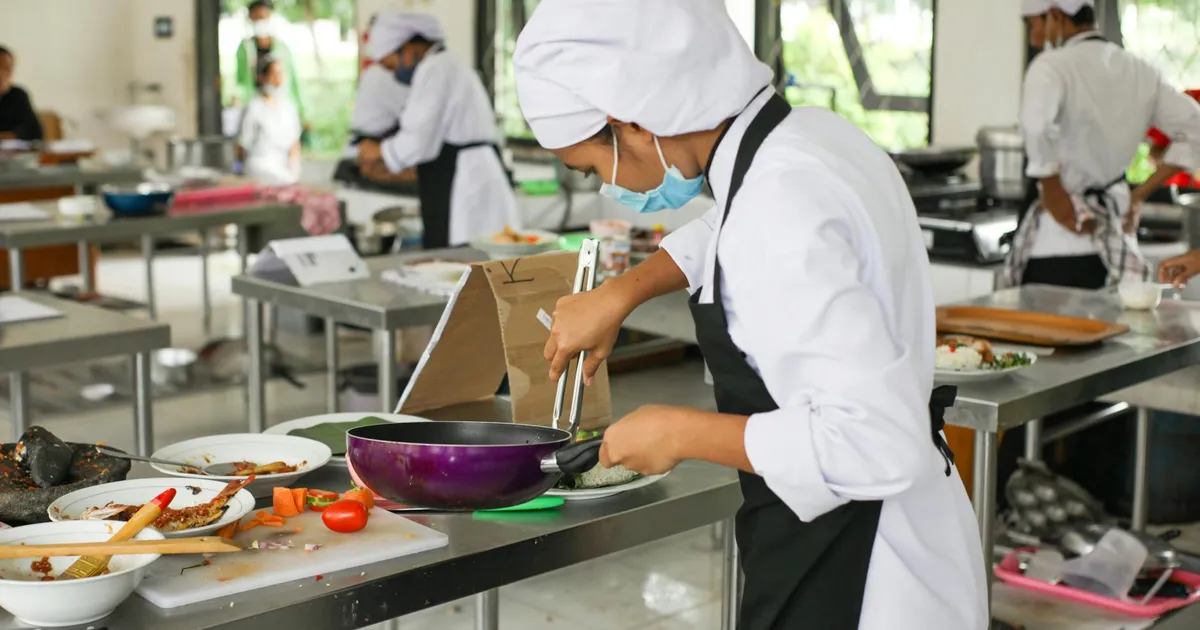
Photo by KitchenTemp via Pexels
What Is a Food Handler Certification?
A food handler certification — also called a food handler card — is a credential that demonstrates a worker has received basic training in food safety principles. Most states and many local health departments require every employee who handles food to hold a valid food handler card before working unsupervised on a food line.
This is distinct from a food safety manager certification, which is required for at least one person per establishment (typically a manager or shift lead). Food handler cards are for all front-of-house and back-of-house staff who touch food directly or work in the food preparation area.
If your new hire is scheduled to start next week and you have not verified their certification status, read this guide first.
Which States Require Food Handler Cards?
Requirements vary significantly by state and even by county. As of 2026:
- California: Required statewide. Must be completed within 30 days of hire. Accepted providers include ServSafe, Learn2Serve, and StateFoodSafety.
- Texas: Required statewide. Must complete an accredited program within 60 days of hire.
- Illinois: Required. Chicago has its own separate ordinance with specific providers.
- Washington: Required. Employees must obtain a card within 14 days of hire.
- New York: Not required statewide, but several counties (including NYC) require it.
- Florida: Not required statewide, but some counties do require it. Strongly recommended.
Always verify current requirements with your local health department. Requirements change, and the cost of non-compliance — a failed inspection, a fine, or having an employee sent home — is far higher than the cost of the card itself.
Approved Food Handler Certification Programs

The following programs are widely accepted across the United States. Always confirm acceptance with your local health department before enrollment.
ServSafe Food Handler
Operated by the National Restaurant Association Educational Foundation (NRAEF), ServSafe is the most recognized food safety training brand in the country. The food handler course covers:
- Basic food safety principles
- Personal hygiene
- Cross-contamination and allergens
- Time and temperature control
- Cleaning and sanitizing
Cost: Approximately $15 per employee online. Available in English and Spanish.
Learn2Serve (360training)
An online-only provider accepted in most states. The course typically takes 1.5 to 2 hours and can be completed on a phone or tablet. Ideal for high-turnover kitchens where you need fast onboarding.
StateFoodSafety
Known for state-specific content. StateFoodSafety builds its courses around the exact requirements for each state, reducing confusion about local rules.
National Registry of Food Safety Professionals (NRFSP)
A well-regarded alternative to ServSafe. NRFSP courses are available online and in-person and are accepted in all U.S. states.
What the Food Handler Course Covers
All accredited food handler courses cover the same core topics mandated by the Conference for Food Protection (CFP):
- Foodborne illness basics — How pathogens spread and cause illness
- Personal hygiene — Handwashing, glove use, illness policies
- Temperature control — The danger zone (41°F–135°F), hot and cold holding
- Cross-contamination prevention — Proper separation of raw and ready-to-eat foods
- Cleaning vs. sanitizing — The difference and when to do each
- Allergen awareness — The Big 9 allergens and how to prevent cross-contact
Most courses take two to four hours and include a short exam (usually 40 questions). Passing scores are typically 70% or higher.
How to Manage Certification for Your Whole Team
Track Expiration Dates
Most food handler cards are valid for two to three years. Cards issued in California are valid for three years; Texas cards expire after two years. Build a tracking system — even a simple spreadsheet — with each employee's name, certification date, and expiration date.
Set a reminder 60 days before expiration so employees can renew before the card lapses.
Require Cards Before the First Solo Shift
Some states allow a grace period (30–60 days) for new hires to obtain certification. During that period, the uncertified employee should work under direct supervision of a certified food handler. Do not schedule uncertified staff to work alone in the kitchen.
Keep Copies on File
Health inspectors may ask to see proof of certification during inspections. Keep a physical or digital copy of every employee's current food handler card. Many operators scan cards and store them in a shared drive folder organized by employee name.
Include Certification in Your Onboarding Checklist
Add food handler certification to your new hire checklist alongside I-9 completion and uniform issuance. If the employee does not have a current card on day one, give them access to an online course and a deadline to complete it before their first unsupervised shift.
Food Handler Card vs. Food Safety Manager Certification
These are not the same thing. Here is the key distinction:
| | Food Handler Card | Food Safety Manager Cert | |---|---|---| | Who needs it | All food-handling employees | At least 1 manager per location | | Program | ServSafe Food Handler, Learn2Serve, etc. | ServSafe Manager, NRFSP, Prometric | | Exam difficulty | Low (40 questions, basic knowledge) | High (90 questions, advanced knowledge) | | Cost | $15–$25 per person | $100–$200 per person | | Validity | 2–3 years | 5 years |
Both are required in most states. Having a certified manager does not exempt your line cooks from needing food handler cards.
How KitchenTemp Helps
Food handler certification gets your team through the door. Maintaining daily compliance — logging temperatures, recording corrective actions, documenting cleaning schedules — is an ongoing operational discipline.
KitchenTemp gives every certified team member a simple logging interface they can use in seconds, in the language they work in. Managers get a live dashboard showing whether temperatures are in range across every station, with automated alerts when something falls out of spec.
When your health inspector arrives, you will have a complete, timestamped record of every temperature check your team performed. No missing logs. No illegible handwriting. Just clean documentation that demonstrates your team is doing exactly what their food handler certification says they know to do.
Start a free trial at KitchenTemp and get your entire team logging in under 10 minutes.