Food Safety Training Checklist for Restaurants: Cover Every Topic That Matters
Comprehensive food safety training checklist for restaurants. Cover every required topic for new hires, annual refreshers, and manager certification preparation.
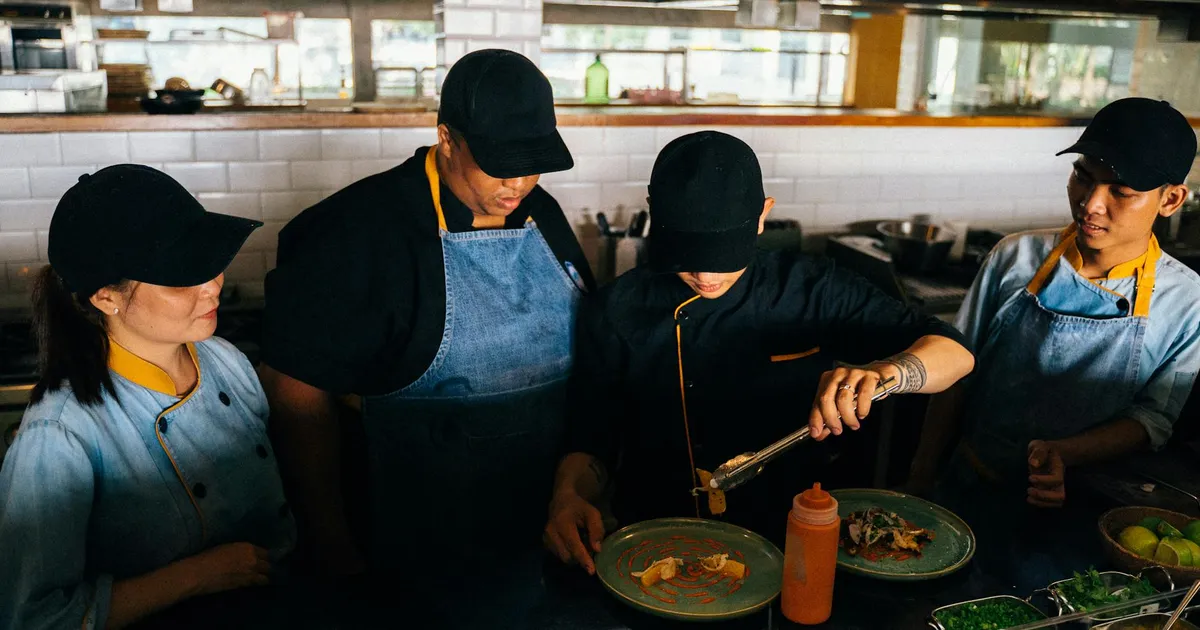
Photo by KitchenTemp via Pexels
Why Checklists Matter for Food Safety Training
A food safety training checklist is not bureaucracy — it is memory insurance. Kitchens are busy, managers are stretched, and critical training topics get overlooked when they are not written down. When a health inspector asks your dishwasher about proper sanitizer concentration or asks your prep cook to demonstrate handwashing technique, the answer to those questions was determined weeks earlier, in training.
This checklist covers every topic required for a complete food safety training program. Use it for new hire onboarding, annual refresher training, and manager certification preparation.
Print it. Sign it. Keep it in the employee file.
Part 1: New Hire Food Safety Training Checklist
Complete within the first two weeks of employment. Each topic should be demonstrated or practiced, not just verbally reviewed.
Personal Hygiene
- [ ] Handwashing procedure: steps, duration (20 seconds of scrubbing), and frequency
- [ ] When to wash hands (before touching food, after restroom, after handling raw meat, after touching face/hair, after handling chemicals)
- [ ] Proper glove use: when required, how to put on and remove, when to change
- [ ] Uniform and appearance standards: hair restraints, jewelry policy, clean apron requirements
- [ ] Illness reporting policy: symptoms that require calling out, how to report, who to notify
- [ ] Wound and injury policy: cuts must be covered with a bandage AND a glove before handling food
Temperature Control
- [ ] The temperature danger zone: 41°F to 135°F — what it means and why it matters
- [ ] How to use a probe thermometer: sanitize the probe, insert correctly, wait for reading to stabilize
- [ ] Cold holding: refrigerators and walk-ins must maintain 41°F or below
- [ ] Hot holding: steam tables and hot holding units must maintain 135°F or above
- [ ] Minimum internal cooking temperatures for the main proteins on your menu
- [ ] Cooling procedures: 135°F to 70°F within 2 hours, then 70°F to 41°F within 4 more hours
- [ ] Reheating: food reheated for hot holding must reach 165°F within 2 hours
Cross-Contamination Prevention
- [ ] Storage order in the walk-in cooler (ready-to-eat on top, poultry on bottom)
- [ ] Color-coded cutting board system (or equivalent separation method)
- [ ] Proper wrapping and labeling of stored food
- [ ] How to properly clean and sanitize between tasks involving raw and ready-to-eat foods
- [ ] Allergen cross-contact: the Big 9 allergens and how to prevent cross-contact
- [ ] How to handle an allergen request from a guest
Cleaning and Sanitizing
- [ ] Cleaning schedule for their station
- [ ] How to prepare sanitizer solution and verify concentration with test strips
- [ ] Three-compartment sink procedure: wash, rinse, sanitize, air dry
- [ ] How to clean and sanitize a cutting board between uses
- [ ] Proper storage of wiping cloths (in sanitizer bucket, not draped over equipment)
Temperature Logging
- [ ] How to log a temperature using your system (digital or paper)
- [ ] Which equipment gets logged and at what frequency
- [ ] What an out-of-range reading means and the corrective action steps
- [ ] Who to notify if a corrective action is needed
New Hire Sign-Off
Employee Name: _________________________ Date: _____________
Trainer Name: _________________________ Date: _____________
Manager Approval: _________________________ Date: _____________
Part 2: Annual Refresher Training Checklist
Conduct annually for all food-handling staff. Use one or more 30-minute sessions rather than a single long session.
Session 1: Temperature Control and Logging (30 min)
- [ ] Review the temperature danger zone and key cooking temperatures
- [ ] Practice using the probe thermometer with a real food item
- [ ] Review any temperature log incidents from the past year
- [ ] Walk through the corrective action procedure for an out-of-range reading
- [ ] Review cooling log requirements and common cooling methods
Session 2: Personal Hygiene and Illness Policy (20 min)
- [ ] Demonstrate handwashing technique
- [ ] Review illness reporting policy and exclusion/restriction criteria
- [ ] Review glove use policy (any changes in the past year?)
- [ ] Address any hygiene observations from the past year
Session 3: Allergen Awareness (20 min)
- [ ] Review the Big 9 allergens
- [ ] Walk through your specific menu items with allergens
- [ ] Practice responding to a guest allergen request
- [ ] Review any allergen incidents from the past year

Session 4: Cleaning and Sanitation (20 min)
- [ ] Review cleaning schedule and any recent changes
- [ ] Practice mixing and testing sanitizer solution
- [ ] Review any sanitation observations from health inspections or internal audits
- [ ] Discuss any new cleaning products or procedures
Annual Refresher Sign-Off
Employee Name: _________________________ Date: _____________
Sessions Completed: 1 / 2 / 3 / 4 (circle all that apply)
Manager Sign-Off: _________________________ Date: _____________
Part 3: Manager / Supervisor Training Checklist
For staff in supervisory roles responsible for food safety oversight. Complete in addition to the staff checklist above.
Certification
- [ ] Current ServSafe Manager Certification (or NRFSP, Prometric equivalent) on file
- [ ] Renewal date tracked — certifications are valid for 5 years
- [ ] Has reviewed the current FDA Food Code (2022 edition or state-adopted equivalent)
HACCP and Active Managerial Control
- [ ] Can identify the Critical Control Points (CCPs) for your operation
- [ ] Can explain the corrective action procedure for each CCP
- [ ] Understands Active Managerial Control (AMC) and the five CDC risk factors
- [ ] Can conduct a hazard analysis for a new menu item or procedure
Inspection Readiness
- [ ] Knows which health department regulates your operation and the current inspection scoring system
- [ ] Can produce temperature logs, corrective action records, and staff certification documentation on demand
- [ ] Has reviewed your most recent inspection report and addressed any findings
- [ ] Knows the procedure for responding to an unannounced inspection
Staff Training Oversight
- [ ] Responsible for new hire food safety onboarding
- [ ] Schedules and leads annual refresher training sessions
- [ ] Documents all training in employee files
- [ ] Monitors temperature log completion daily
Manager Training Sign-Off
Manager Name: _________________________ Date: _____________
ServSafe Certification Number: _________________________ Expiration: _____________
Authorized By: _________________________ Date: _____________
Part 4: Topic-Specific Training Records
Use these sign-off lines when delivering specific training that is not part of the annual cycle — for example, after a corrective action event, an inspection finding, or a procedure change.
| Date | Topic Covered | Employees Trained | Trainer | |------|--------------|-------------------|---------| | | | | | | | | | | | | | | | | | | | |
Keeping Training Records
Health inspectors may request proof that staff have received food safety training. Keep signed training checklists in employee files for the duration of employment plus at least one year after termination. In states with strict documentation requirements, confirm retention periods with your local health department.
Digital record-keeping is preferable for most operations — files are harder to lose, easier to produce on demand, and can be backed up automatically.
How KitchenTemp Helps
The training checklist covers what your team knows. KitchenTemp documents what they do.
Every temperature log entry, every corrective action, every out-of-range reading and its resolution is recorded automatically with a timestamp and the logged-in employee's name. When a health inspector asks for your temperature records, you produce a complete digital log in seconds — not a folder of paper forms.
For managers, KitchenTemp's dashboard shows at a glance which stations are being logged and whether any readings have been out of range. It is the operational complement to the training program you are running.
Start your free 14-day trial at KitchenTemp — and pair great training with great documentation.