Food Truck Temperature Logs: Compliance on the Road
How food trucks can stay compliant with temperature logging requirements. Mobile-specific challenges, permit requirements, and the tools that make compliance practical on the road.
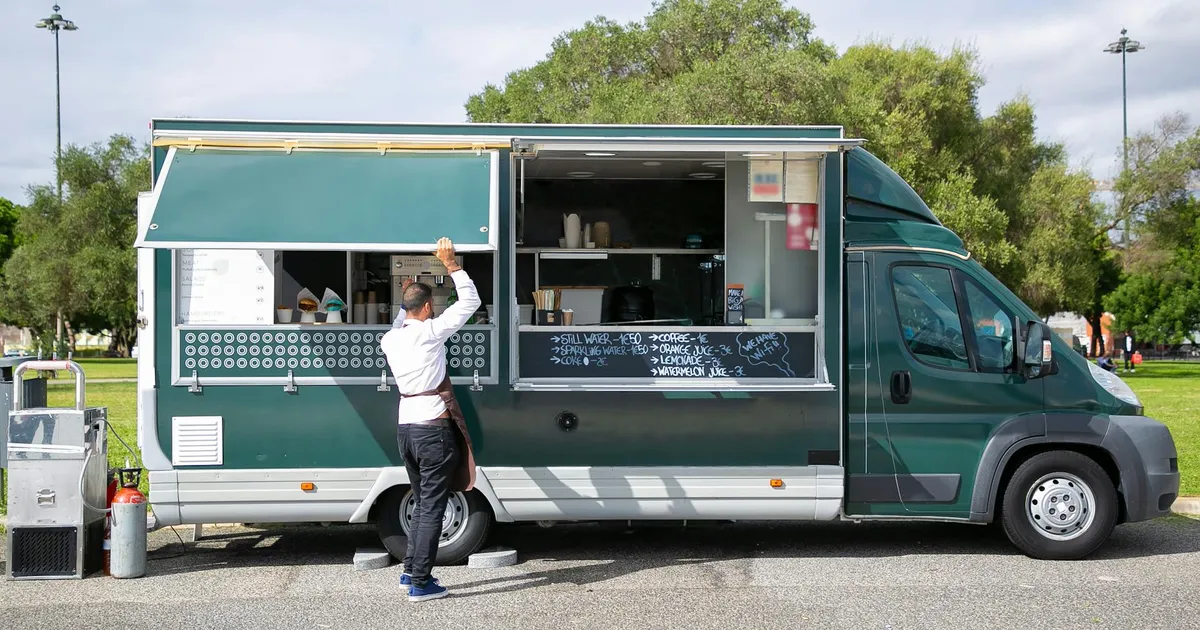
Photo by KitchenTemp via Pexels
The Unique Food Safety Challenge of Food Trucks
Food trucks operate in an environment that a stationary restaurant does not: variable ambient temperatures, power-source instability, limited space for equipment and documentation, and frequent relocations that change the regulatory jurisdiction they operate under.
A walk-in cooler in a brick-and-mortar restaurant is connected to reliable electrical power and sits in a climate-controlled space. A food truck's refrigeration units are running off a generator or vehicle power — subject to load spikes, mechanical failures, and the full range of outdoor temperatures from a Phoenix summer to a Chicago winter.
This creates a more dynamic food safety environment where temperature control requires more active monitoring, not less. And yet many food trucks operate with minimal documentation, viewing paper temperature logs as impractical in a mobile setting.
This guide covers the specific compliance requirements for food trucks, the unique temperature risks they face, and the practical approaches to maintaining compliant records while working from a truck.
Permitting and the Regulatory Framework for Food Trucks
Multi-Jurisdiction Complexity
Unlike a restaurant, which operates under a single health department, a food truck may operate in multiple cities, counties, or states within a single week — each with its own permitting requirements, inspection standards, and documentation expectations.
Most food trucks obtain a commissary agreement — a licensed commercial kitchen where food prep, vehicle sanitization, and equipment storage occur. The commissary is typically regulated by the county or city where it is located, but the truck itself must comply with the health code of each jurisdiction where it operates.
Before operating in a new city or county, verify:
- Whether a separate operating permit is required for that jurisdiction
- Whether your commissary agreement from your home jurisdiction is accepted
- What documentation (temperature logs, HACCP plan, commissary agreement letter) you must carry
- What inspections the local health department requires and on what frequency
Some major cities have streamlined this process; others require a separate permit application for each new jurisdiction. Keeping complete, portable documentation is your best asset for operating across jurisdictions.
Required Documentation for Food Trucks
Most health departments expect food trucks to carry or be able to produce:
- Current operating permits for applicable jurisdictions
- Commissary agreement documentation
- Food handler cards for all employees
- Food safety manager certification (where required)
- Temperature logs for all TCS (Temperature Control for Safety) foods
- Vehicle inspection records
Temperature logs are among the first documents a health inspector will request during a mobile inspection.
Temperature Challenges Specific to Food Trucks
Generator and Power Instability
Food truck refrigeration is only as good as its power source. Common failure scenarios:
- Generator overload when running multiple appliances simultaneously
- Generator failure mid-shift, causing refrigeration to lose power without immediate notification
- Temperature spikes during high-ambient-temperature events when refrigeration capacity is stretched
Risk reduction: Monitor refrigeration temperatures actively during service, not just at the start and end of shifts. An out-of-range reading at the 2-hour mark catches a problem that a start-only check would miss entirely.
Ambient Temperature Effects
Food trucks operating in summer heat face a fundamentally different environment for cold chain management than those operating in cooler conditions. When ambient temperature is 95°F:
- Cold food surfaces temperatures rise faster when the truck door opens
- Prep surfaces retain heat
- Refrigeration units cycle more frequently and may run close to their capacity limits
In hot conditions, increase check frequency for cold-holding equipment. If temperatures are running close to 41°F during service, reduce door opening frequency and consider ice bath supplementation for highest-risk items.
Limited Space for Staging
In a stationary kitchen, there is typically space to stage hot food in a holding unit, keep cold food in refrigeration, and move items deliberately. In a food truck, the spatial constraints can force compromises — items sitting on counter space briefly between steps, or prep containers kept at ambient temperature while waiting for use.
In truck operations, minimize the time any TCS food spends outside of temperature control. Pre-portion ingredients and keep them in refrigeration until the moment of use. Train staff on the cumulative time principle: total time in the danger zone across all handling stages cannot exceed 4 hours.
Setting Up Temperature Logging for a Food Truck
What to Log
At minimum, food trucks should log temperatures for:
- All refrigerated storage units (reach-in coolers, under-counter refrigerators, any cold storage)
- All hot-holding equipment (steam tables, heat lamps, soup wells)
- Internal temperatures of proteins at cooking and any final holding stage
- Any cooling activities (if cooling occurs on-truck or at commissary)
Logging Frequency
For refrigerated storage: at minimum at commissary loading (before departure), at the midpoint of service, and at closing/return to commissary. For trucks with longer service windows, every 2 hours is the standard practice.
For hot-holding equipment: every 2 hours during service.
For cooking temperatures: every batch of protein prepared.
Mobile-Friendly Logging
Paper logs on a food truck are a significant practical problem: moisture, heat, and limited surface space make paper logs difficult to maintain cleanly. Forms can be lost, damaged, or rendered illegible. Many health inspectors who regularly inspect food trucks are aware of this challenge.
Digital logging on a mobile device eliminates these issues. Three taps per entry, stored in the cloud, accessible from any device. When a health inspector approaches the truck, you pull up the log on your phone or tablet rather than searching for a damp paper form.

Corrective Actions for Food Trucks
When a temperature reading on a food truck is out of range, the options are more limited than in a brick-and-mortar setting. You cannot transfer food to a backup walk-in cooler; you may not have a large ice bath on hand. For this reason, pre-planned corrective actions are more important for food trucks, not less.
Cold-Holding Failure Corrective Action Plan
If refrigeration fails or temperatures exceed 41°F during service:
- Identify when the food was last verified as in-temperature (from the last log entry)
- Calculate whether the 4-hour total danger zone window has been exceeded
- If less than 4 hours: transfer food to ice bath, reduce stock from refrigerator, and continue monitoring
- If more than 4 hours or time in danger zone is unknown: discard the affected food
- Do not sell food from a unit that cannot hold proper temperature
Hot-Holding Failure Corrective Action Plan
If hot-holding equipment drops below 135°F during service:
- Check the food temperature immediately (the food may have dropped below 135°F)
- If food is above 135°F: restore heat to the holding unit; log and continue
- If food has dropped below 135°F: reheat to 165°F within 2 hours or discard
- Do not serve food that has been at or below 135°F for more than 4 hours total
Commissary Operations and Temperature Control
The commissary is where the most food safety risk exists for most food trucks: large batches of food are prepped, cooled, and loaded in a compressed time window. Mistakes at the commissary compound on the truck.
Critical commissary food safety practices:
- Cool all cooked food to 41°F before loading onto the truck
- Load refrigerated items last, immediately before departure
- Verify all refrigeration units are at proper temperature before loading
- Log commissary prep and loading temperatures as part of the same system you use on the truck
Having a single, continuous temperature log that starts at commissary and continues through service provides the complete food safety record that inspectors want to see.
How KitchenTemp Helps
KitchenTemp was built for the practical realities of food service operations — including food trucks where space, time, and conditions make paper logging impractical.
The mobile-first interface works on any smartphone or tablet. Logs are timestamped automatically and stored in the cloud, so your records survive even if a device is lost or damaged. When a health inspector approaches your truck, you open the app and hand them a complete record of every temperature check taken that day and week.
For food trucks operating across multiple jurisdictions, having a cloud-based log that is always accessible is a significant operational advantage.
Start your free trial at KitchenTemp — and keep your records as mobile as your business.