Free HACCP Temperature Log Templates for Restaurants (Printable)
Download free printable HACCP temperature log templates for restaurants. Includes cold storage, hot holding, cooking, cooling, and receiving logs with instructions.
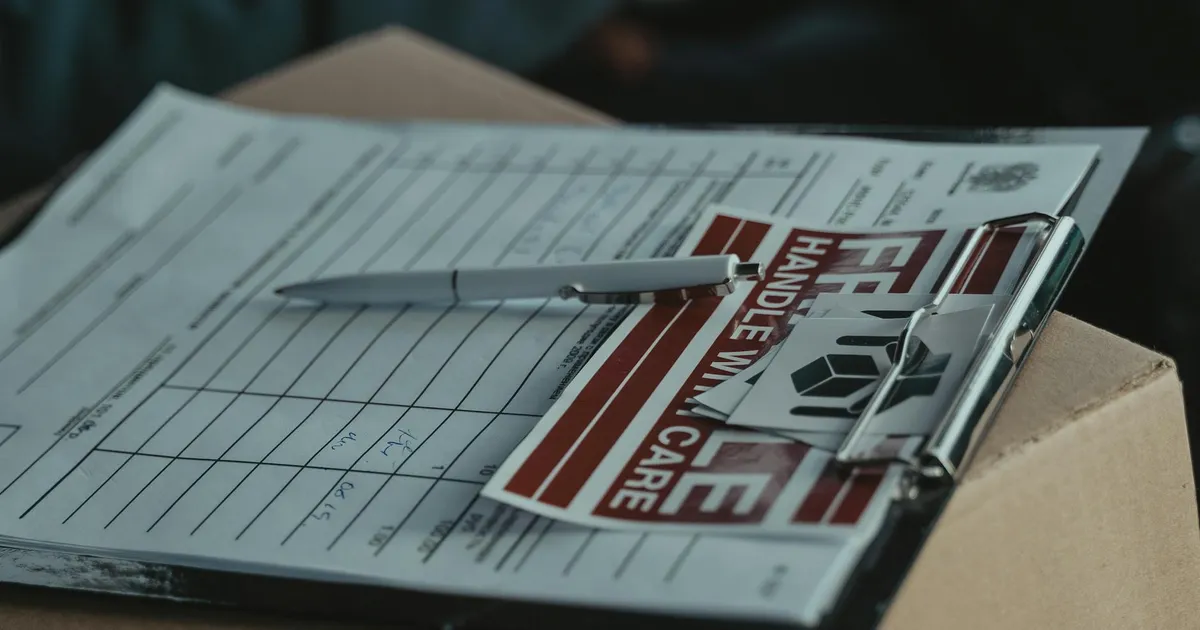
Photo by KitchenTemp via Pexels
About These Templates
This page provides complete, printable HACCP temperature log templates for the five most common monitoring activities in restaurant food safety: cold storage, hot holding, cooking, cooling, and receiving.
Each template includes the required columns per FDA Food Code and HACCP standards, explanations of what each column means, and instructions for use. You can print these directly and use them in your kitchen starting today.
We also explain where paper templates fall short — and how digital logging with KitchenTemp eliminates those limitations.
Template 1: Cold Storage Temperature Log
This log covers refrigerators, walk-in coolers, reach-in units, and any other cold storage where potentially hazardous food is held.
Critical limit: All readings must be 41°F (5°C) or below.
Required monitoring frequency: Minimum 2× daily; best practice 3× daily (per shift).
COLD STORAGE TEMPERATURE LOG
Location/Restaurant Name: ___________________________________
Month/Year: ___________________________________
| Date | Time | Equipment Name | Temp (°F) | In Range? | Employee Initials | Corrective Action (if out of range) | |------|------|----------------|-----------|-----------|-------------------|--------------------------------------| | | | Walk-In Cooler | | ☐ Yes ☐ No | | | | | | Prep Cooler #1 | | ☐ Yes ☐ No | | | | | | Prep Cooler #2 | | ☐ Yes ☐ No | | | | | | Reach-In #1 | | ☐ Yes ☐ No | | | | | | Walk-In Freezer | | ☐ Yes ☐ No | | | | | | Reach-In Freezer | | ☐ Yes ☐ No | | |
Critical Limit: 41°F or below for refrigeration. 0°F or below for freezer.
Column Explanations:
- Date: The calendar date of the reading.
- Time: The actual clock time the reading was taken (not when it was recorded — take readings on schedule).
- Equipment Name: The specific unit being measured. Use consistent names — if you call it "Walk-In Cooler" on this form, use the same name every time.
- Temp (°F): The thermometer reading. Use a calibrated probe thermometer. For walk-ins, take the reading in the ambient air at mid-shelf level, away from walls and the evaporator coil.
- In Range?: Circle or check yes/no against the critical limit.
- Employee Initials: The initials of the person who took the reading — not the manager who reviewed the log.
- Corrective Action: Required if the reading is out of range. Write what you did: "Adjusted thermostat — re-read 38°F at [time]" or "Called repair tech — transferred product to Walk-In #2."
Manager Review: _________________________ Date: ____________
Template 2: Hot Holding Temperature Log
This log covers steam tables, hot wells, heat lamps, soup warmers, bain-maries, and any equipment that maintains hot food during service.
Critical limit: All readings must be 135°F (57°C) or above.
Required monitoring frequency: Every 2 hours during service.
HOT HOLDING TEMPERATURE LOG
Location/Restaurant Name: ___________________________________
Date: ___________________________________
| Time | Equipment / Food Item | Temp (°F) | In Range? | Employee Initials | Corrective Action | |------|----------------------|-----------|-----------|-------------------|--------------------| | | Steam Table — Soup | | ☐ Yes ☐ No | | | | | Steam Table — Protein | | ☐ Yes ☐ No | | | | | Steam Table — Sides | | ☐ Yes ☐ No | | | | | Heat Lamp — Fries | | ☐ Yes ☐ No | | | | | Soup Warmer | | ☐ Yes ☐ No | | | | | | | ☐ Yes ☐ No | | |
Critical Limit: 135°F or above.
Column Explanations:
- Time: Check every 2 hours during service. Do not estimate — take the reading and record the actual time.
- Equipment / Food Item: Identify both the equipment and the food it contains. A steam table holding soup is different from a steam table holding chicken — include both.
- Temp (°F): Measure the internal temperature of the food, not the equipment dial setting. Dial settings can be inaccurate. Take the temperature of the actual food product.
- Corrective Action: If food is below 135°F, reheat it immediately to 165°F before returning it to hot holding. If the food has been below 135°F for more than 4 cumulative hours, discard it. Document whichever action you took.
Template 3: Cooking Temperature Log
This log documents the final internal temperature of cooked potentially hazardous food. Every batch of poultry, ground meat, seafood, and other high-risk items should be logged here.
Required cooking temperatures: Poultry 165°F, ground meat 155°F, whole muscle beef/pork/seafood 145°F, stuffed items 165°F, eggs for immediate service 145°F.
COOKING TEMPERATURE LOG
Location/Restaurant Name: ___________________________________
Month/Year: ___________________________________
| Date | Time | Food Item | Batch Size | Final Internal Temp (°F) | Required Temp | Pass? | Employee Initials | Notes | |------|------|-----------|------------|--------------------------|---------------|-------|-------------------|-------| | | | Chicken Breast | | | 165°F | ☐ Y ☐ N | | | | | | Ground Beef | | | 155°F | ☐ Y ☐ N | | | | | | Salmon | | | 145°F | ☐ Y ☐ N | | | | | | Pork Chop | | | 145°F | ☐ Y ☐ N | | | | | | Stuffed Shells | | | 165°F | ☐ Y ☐ N | | | | | | | | | | ☐ Y ☐ N | | |
Column Explanations:
- Food Item: Specific food being cooked. Be specific — "Chicken Breast" not just "protein."
- Batch Size: Number of portions or weight of the batch. Useful for tracing which batch a meal came from in an incident.
- Final Internal Temp: Take the probe thermometer reading in the thickest part of the food, away from bone. The reading must be stable for 5 seconds. Take two readings from different parts of a large batch.
- Required Temp: Fill in the correct required temperature for this food type. Refer to the critical limits table in your HACCP plan.
- Pass?: Did the food reach the required temperature? If no, continue cooking and take another reading. Do not serve undercooked food.
- Notes: Record anything notable — cooking method, any equipment issues, whether the batch was held before service.
Template 4: Cooling Log
The cooling log documents the temperature of cooked foods as they cool from 135°F to 41°F. This is one of the most critical — and most frequently violated — monitoring requirements.
Critical limits:
- Stage 1: 135°F → 70°F within 2 hours
- Stage 2: 70°F → 41°F within 4 more hours
- Total cooling time: No more than 6 hours from 135°F to 41°F
COOLING LOG
Location/Restaurant Name: ___________________________________
Month/Year: ___________________________________
| Food Item | Batch Size | Start Time (at 135°F) | 2-Hour Check Time | 2-Hour Temp | 6-Hour Check Time | 6-Hour Temp | Cooling Method | Employee | Pass? | Corrective Action | |-----------|------------|----------------------|-------------------|-------------|-------------------|-------------|----------------|----------|-------|-------------------| | | | | | Must be ≤ 70°F | | Must be ≤ 41°F | | | ☐ Y ☐ N | | | | | | | | | | | | ☐ Y ☐ N | | | | | | | | | | | | ☐ Y ☐ N | |
Column Explanations:
- Food Item: What is being cooled. Be specific — "Chicken Stock," "Brown Rice," "Bolognese Sauce."
- Batch Size: How much food is being cooled. Large batches take longer and are higher risk.
- Start Time: The time the food left the cooking process and began the cooling sequence, at or above 135°F.
- 2-Hour Check: The temperature reading taken exactly 2 hours after the start time. Must be at or below 70°F. If not, take corrective action immediately.
- 6-Hour Check: The temperature reading taken 6 hours after the start time (not 6 hours after the 2-hour check). Must be at or below 41°F.
- Cooling Method: How the food was cooled. Common methods: ice bath, ice wand, shallow pans, blast chiller. Document the method so you can identify if a particular approach is not working.
- Corrective Action: If the 2-hour check exceeds 70°F, the batch must be reheated immediately to 165°F and cooling re-attempted with improved methods. If the 6-hour check exceeds 41°F, discard.
Template 5: Receiving Temperature Log
This log documents temperature checks of incoming deliveries of refrigerated and frozen food.
Critical limits: Refrigerated items must arrive at 41°F or below. Frozen items must arrive at 0°F or below with no signs of thawing.
RECEIVING TEMPERATURE LOG
Location/Restaurant Name: ___________________________________
Month/Year: ___________________________________
| Date | Time | Supplier | Product | Quantity | Temp (°F) | Required Temp | Accepted? | Employee | Reason if Rejected | |------|------|----------|---------|----------|-----------|---------------|-----------|----------|---------------------| | | | | Poultry | | | ≤ 41°F | ☐ Y ☐ N | | | | | | | Ground Beef | | | ≤ 41°F | ☐ Y ☐ N | | | | | | | Seafood | | | ≤ 41°F | ☐ Y ☐ N | | | | | | | Frozen Items | | | ≤ 0°F | ☐ Y ☐ N | | | | | | | Dairy | | | ☐ Y ☐ N | | | | | | | | | | | | ☐ Y ☐ N | | |
Column Explanations:
- Date/Time: Date and time of the delivery.
- Supplier: The name of the supplier or distributor.
- Product: Specific product received. For mixed deliveries, log each high-risk product separately.
- Temp: Take the temperature at multiple points: the thermostat readout in the delivery vehicle, the surface of packaged products, and — for unpackaged items — an internal probe reading.
- Accepted/Rejected: If the temperature is out of range, you should reject the product. Document any exception (e.g., accepted seafood at 43°F and immediately corrected).
- Reason if Rejected: If product is rejected, note the temperature reading and the notification to the supplier.
The Limits of Paper Templates
These templates will help you meet compliance requirements. But paper logs have structural limitations that create real risk:
You cannot get alerts from paper. A walk-in running at 45°F all night is invisible on paper until your 6 AM opening reading. That is 8 hours of bacterial growth at temperatures above the critical limit — potentially thousands of dollars of spoiled product and a health code violation.
Paper can be backfilled. If a staff member skips three readings during a busy Friday night and fills them in before leaving, the paper log will never reveal the gap. An inspector or defense attorney who asks "how do you know these readings were actually taken at these times?" has no good answer.
Paper gets lost. Producing a 30-day temperature log history for an inspector requires finding 30 days of binders, organized and intact.
Corrective actions are optional on paper. Staff can record an out-of-range temperature and leave the corrective action column blank. Paper cannot enforce the workflow.

How KitchenTemp Replaces Paper Templates
KitchenTemp digitizes all five of these template types in a single mobile app:
Cold storage logging: Add each piece of equipment once, set temperature thresholds, and staff tap the equipment name, enter the temperature, and save — in under 15 seconds per reading, with automatic timestamps.
Hot holding logging: Same workflow, same app, different equipment list and thresholds.
Cooking logs: Create a "Cooking" category with items and required temperatures. Staff log each batch from the kitchen line.
Cooling logs: Set two-stage threshold checks with alerts at the 2-hour and 6-hour marks.
Receiving logs: Log deliveries with supplier name, product, temperature, and acceptance decision.
All five log types generate into a single compliance report PDF in one click. Every reading has an automatic timestamp, a named employee, and — for out-of-range readings — a required corrective action entry.
The result is the same information as these paper templates, with the reliability, accessibility, and defensibility of a digital system.
Use these templates now. Switch to KitchenTemp when you are ready to eliminate the paper risk. Start your free 14-day trial here.