Freezer Temperature Requirements for Restaurants: 0°F and Why It Matters
Restaurant freezers must maintain 0°F (-18°C) or below. Learn the FDA standard, monitoring frequency, and how to handle freezer temperature excursions.
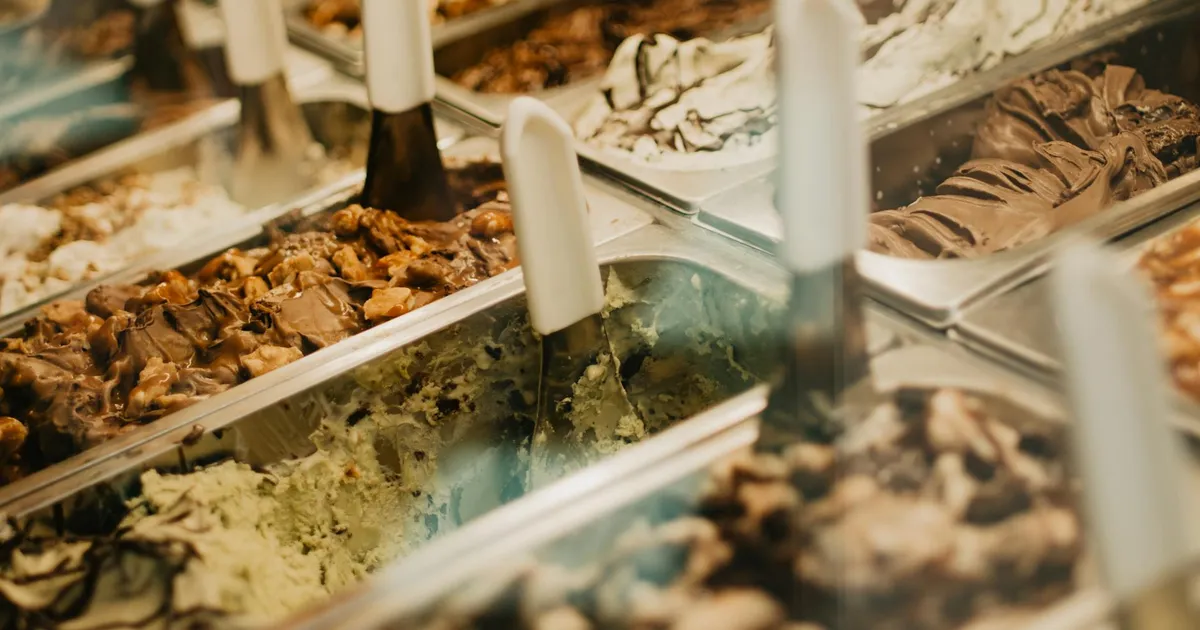
Photo by KitchenTemp via Pexels
The FDA Standard for Freezer Temperature
Commercial freezers used to store food in restaurants must maintain 0°F (-18°C) or below. This is the temperature at which:
- Bacterial growth effectively stops (bacteria do not die in the freezer, but they cannot multiply)
- Enzymatic activity that causes food quality degradation is significantly slowed
- Parasites in certain fish and pork products are destroyed over time (per FDA parasite destruction protocols)
- FDA-regulated frozen food storage standards are met
Unlike refrigerators, which have some margin for operational variance, the freezer standard is a ceiling: 0°F (-18°C) is the maximum acceptable temperature, not a target. Consistently running a freezer at 5°F (-15°C) or 10°F (-12°C) is a compliance failure and accelerates product quality degradation even if it does not immediately create a safety hazard.
It is worth noting: freezing does not sterilize food. Pathogens present in food before freezing remain viable after thawing. Freezing is a preservation method, not a kill step. This is why proper cooking temperatures must still be verified after thawing.
Types of Freezer Equipment in Commercial Kitchens
Reach-In Freezers
Upright units typically positioned on the line or in the prep area. Best for daily-use frozen items: proteins, par-cooked components, ice cream.
- More susceptible to temperature swings due to frequent door opening
- Monitor temperature at least twice per shift
- Door gaskets are critical — a failing gasket on a reach-in freezer can cause consistent temperature creep above 0°F
Walk-In Freezers
Large walk-in units for bulk frozen storage. The most important freezer in most commercial kitchens.
- Monitor with a combination of ambient air thermometer and periodic product temperature verification
- Install a dedicated monitoring thermometer inside the unit — not just the external thermostat display
- Consider a continuous data logger for walk-ins; temperature excursions during overnight periods or after deliveries are easy to miss without continuous records
- Door discipline is critical. Walk-in freezer doors left ajar for even minutes allow significant warm, humid air ingress — raising both temperature and humidity, which causes frost build-up and compressor strain
Under-Counter Freezer Units
Compact units used at specific prep stations. Useful for high-turnover items but require close monitoring due to compact compressor capacity.
- Most vulnerable to ambient kitchen temperature effects
- Do not position under-counter freezers adjacent to cooking equipment
- Check temperature at every shift start
Temperature Monitoring Frequency
There is no single mandatory check frequency in the FDA Food Code for freezers (unlike cooking temperature, which must be checked every time). However, most health departments and HACCP programs expect regular documented checks.
Recommended monitoring schedule:
| Freezer Type | Minimum Frequency | |--------------|------------------| | Walk-in freezer | Twice daily (shift start + midpoint) | | Reach-in freezer | At each shift start | | Under-counter unit | At each shift start | | After any large delivery | Immediately after loading | | After any known door seal issue | Immediately upon discovery |
A continuous data logger removes the manual check burden entirely for walk-ins. Set one up and review the data daily — it will catch overnight excursions that manual checks miss.
What to Record in Your Freezer Temperature Log
Your freezer log should capture:
- Date and time of the check
- Freezer identifier (Walk-In #1, Reach-In Fry Station, etc.)
- Air temperature reading (°F and °C)
- Employee performing the check
- Any corrective action taken
For compliance purposes, record the air temperature. For quality assurance on sensitive products, you may also want to verify the internal product temperature periodically — especially after deliveries or suspected excursions.
Acceptable Temperature Variance During Normal Operations
A well-functioning commercial freezer will cycle between approximately -5°F (-21°C) and 0°F (-18°C) as the compressor cycles on and off. This is normal. An ambient air temperature reading of 0°F (-18°C) at the midpoint of a compressor cycle is compliant.
What is not acceptable:
- Consistent readings above 0°F (-18°C) at any check point
- A trend of readings that are rising over successive checks (indicates a failing system)
- Ice cream or other high-fat products that are soft or soupy (product temperature may be above 0°F even when air thermometer reads correctly)
- Significant frost build-up on interior walls or stored product (indicates humidity ingress from seal failure or frequent door opening)
Freezer Temperature Excursions: What to Do
If a freezer reading comes in above 0°F (-18°C):
Step 1: Verify the reading. Is the probe in contact with frost or ice (which can give a falsely low or high reading)? Is the thermometer calibrated? Take a second reading with a different thermometer.
Step 2: Check the equipment. Is the door properly closed and sealed? Is the compressor running? Is there unusual frost build-up blocking the evaporator coil? Is there a maintenance alert on the unit?
Step 3: Assess product condition.
- If the temperature excursion was brief (less than 1–2 hours) and the product is still solidly frozen (no ice crystal softening, no product flexibility), the product is likely safe. Document the excursion and corrective action.
- If product has partially thawed (soft, flexible, any liquid present), it must be evaluated individually. Partially thawed product can be refrozen if it still contains ice crystals and has not exceeded 41°F (5°C) throughout — but quality will be degraded. Product that has fully thawed and reached room temperature must be cooked immediately or discarded.
Step 4: Document everything. Log the excursion temperature, the time it was discovered, what corrective action was taken for both the equipment and the product, and who made the decisions.
Parasite Destruction Freezing Requirements
For raw fish served raw or undercooked (sushi, ceviche, carpaccio), the FDA requires parasite destruction through freezing:
| Method | Requirement | |--------|------------| | Standard freezing | -4°F (-20°C) for 7 days | | Blast freezing | -31°F (-35°C) for 15 hours |
These are significantly colder than standard freezer requirements. A walk-in freezer maintained at 0°F (-18°C) does not meet the parasite destruction standard. If your operation prepares raw fish dishes, you need either a separate blast freezer, a verified supplier with documented parasite destruction records, or to serve only exempt species (certain tuna species and some farm-raised species with documentation).
Equipment Maintenance and Preventive Monitoring
Freezer compliance is ultimately an equipment maintenance issue. Key preventive measures:
- Gasket inspection: Monthly inspection of all door gaskets. Replace immediately if cracked, torn, or failing the paper test.
- Coil defrost cycle: Verify the automatic defrost cycle is functioning. Manual defrost should be performed if ice build-up on coils is observed.
- Compressor maintenance: Annual professional service for compressor and refrigerant levels. A compressor running low on refrigerant will struggle to maintain temperature, especially in summer.
- Thermometer calibration: Monthly verification of all freezer thermometers. A thermometer that reads 0°F but is actually measuring 5°F is a liability.
- Seals and insulation: Annual inspection of walk-in panel seals, floor drains, and condenser coils.

How KitchenTemp Helps
KitchenTemp lets you configure each freezer unit with its own monitoring schedule and alert threshold. When a check comes in above 0°F (-18°C), the app immediately prompts your team with the corrective action protocol and logs the incident with a timestamp. Data logger integration means your walk-in temperature is recorded continuously — no gaps, no missed overnight excursions. Set up your freezer monitoring at KitchenTemp and catch temperature problems before they become product losses.