GFSI Certification Guide for Food Service: SQF, FSSC 22000, and BRC Explained
A complete guide to GFSI-recognized certifications for food service operations: what SQF, FSSC 22000, and BRC require, who needs them, and how to prepare for your audit.
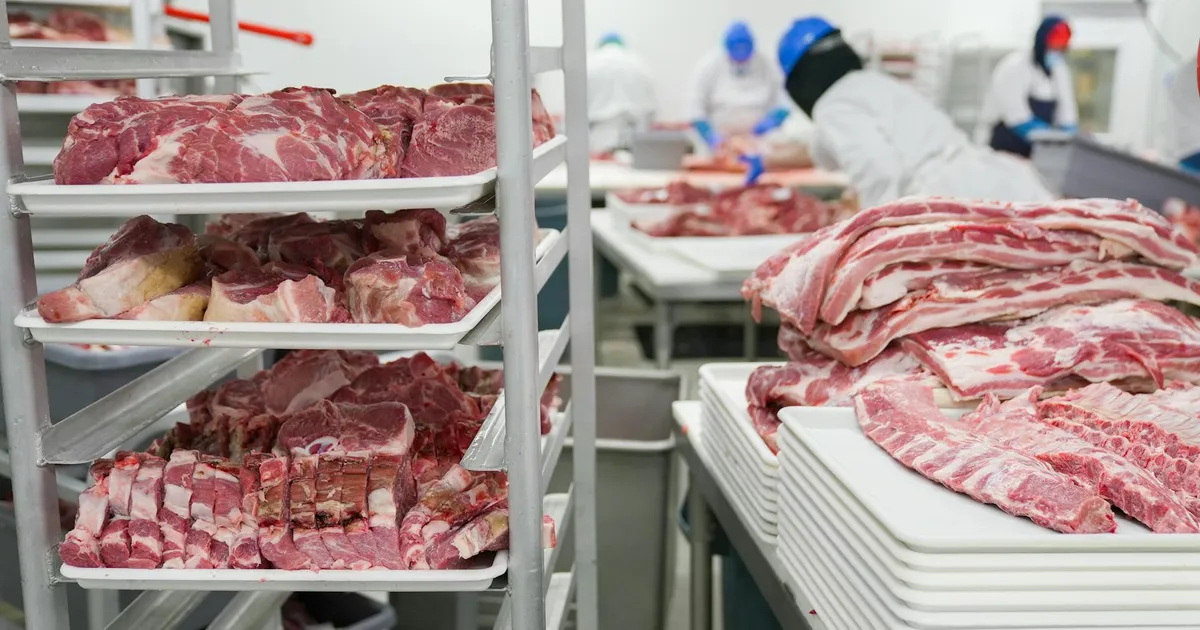
Photo by KitchenTemp via Pexels
What Is GFSI?
The Global Food Safety Initiative (GFSI) is a private organization — now part of the Consumer Goods Forum — that benchmarks food safety standards from around the world. GFSI does not certify companies directly. Instead, it reviews food safety certification programs and recognizes those that meet its benchmark requirements.
A GFSI-recognized certification is essentially a seal of approval: it means the certification scheme has been independently evaluated against GFSI's technical requirements and found to be rigorous enough to demonstrate meaningful food safety compliance.
For food service operators, GFSI certification has historically been more relevant to manufacturers, processors, and contract food service providers than to independent restaurants. But this is changing. Enterprise food service buyers — hospital networks, airline caterers, casino food operations, stadium concession operators, large hotel groups, and chain restaurant commissaries — are increasingly requiring GFSI certification from their food service suppliers and commissary operations.
If you are operating at a scale where institutional buyers or enterprise contracts matter to your business, understanding GFSI certification is essential.
Major GFSI-Recognized Schemes for Food Service
SQF (Safe Quality Food)
Managed by: SQF Institute (part of FMI — The Food Industry Association) Primary market: North America Applicable to: Manufacturing, processing, storage, distribution, and food service including retail food and food service Certification levels:
| SQF Code Level | What It Certifies | |---|---| | Level 1 (Food Safety Fundamentals) | Basic food safety management; suitable for lower-risk operations | | Level 2 (HACCP-based Food Safety Plan) | Full HACCP implementation; most common certification level | | Level 3 (Comprehensive Quality) | HACCP plus comprehensive quality management system |
SQF Edition 9 (the current edition) includes specific modules for food service, making it the most accessible GFSI scheme for restaurant commissaries, contract food service, and large food service operations.
What SQF Level 2 requires:
- Written food safety management system
- HACCP plan (validated, implemented, and documented)
- Prerequisite programs (PRPs) for hygiene, facility, pest control, allergens, supplier management, and training
- Food safety monitoring records (minimum 1-year retention)
- Corrective and preventive action system
- Internal audit program
- Management review process
- Third-party annual certification audit by an SQF-licensed certification body
FSSC 22000
Managed by: Foundation FSSC (Netherlands) Primary market: Global Applicable to: All categories in the food chain, including food service Basis: ISO 22000 + ISO/TS 22002-X (sector-specific prerequisite programs) + FSSC additional requirements
FSSC 22000 is built on ISO 22000, the international standard for food safety management systems. It is widely recognized globally and is often the preferred scheme for operations with international supply relationships.
What FSSC 22000 requires:
- ISO 22000 compliance (HACCP-based food safety management system)
- Sector-specific PRPs per ISO/TS 22002-2 (for catering/food service) or ISO/TS 22002-1 (for food manufacturing)
- FSSC 22000 additional requirements (food fraud vulnerability assessment, food defense plan, allergen management, environmental monitoring)
- Documented management system
- Annual third-party surveillance audits; full re-certification every 3 years
BRC Global Standards (BRCGS)
Managed by: British Retail Consortium (BRC) Primary market: Europe (but increasingly global) Applicable to: Food manufacturing primarily; limited food service applicability Grades: Grades A, AA, B, C (A/AA are highest compliance levels)
BRCGS is the dominant standard in the European retail supply chain. Less commonly required for U.S.-based restaurant operations, but relevant if your food service operation supplies European-based hotel or hospitality groups, or if you operate in markets where European buyers are prominent.
IFS (International Featured Standards)
Managed by: IFS Management GmbH Primary market: Europe (particularly Germany and France) Applicable to: Food manufacturing and processing; some food service Structure: IFS Food for manufacturing; IFS Logistics; IFS Cash and Carry
Similar scope to BRC. Primarily relevant for European retail supply chains. Less commonly required for North American food service operators.
Comparison: Which GFSI Scheme Is Right for Food Service?
| Factor | SQF | FSSC 22000 | BRCGS | |---|---|---|---| | Primary market | North America | Global | Europe | | Food service sector support | Strong (dedicated modules) | Good (ISO 22002-2) | Limited | | Complexity | Moderate | Higher (ISO 22000 foundation) | Higher | | Recognition in US markets | Very high | High | Moderate | | Cost (per audit) | $3,000–$8,000 | $5,000–$12,000 | $5,000–$12,000 | | Annual maintenance | Surveillance audit | Annual surveillance | Annual surveillance | | Best for | North American commissaries, contract food service | International operations, enterprise accounts | European supply chains |
For most North American food service operations considering GFSI certification for the first time, SQF is the most practical entry point.

Do Independent Restaurants Need GFSI Certification?
The honest answer: most independent restaurants do not need GFSI certification and likely never will.
GFSI certification is relevant when:
- You supply food products to retail, institutional, or enterprise buyers who require it
- You operate a commissary that supplies multiple restaurant locations
- You are pursuing contracts with hotel groups, hospitals, airlines, or stadiums that require it
- You are building a food brand intended for retail distribution
- You are selling your business and a buyer requires it for due diligence
GFSI certification is probably not relevant when:
- You operate a standalone restaurant serving walk-in customers
- Your health department routine inspections are your primary compliance requirement
- You have no intention of entering wholesale or institutional markets
However, understanding GFSI requirements is valuable even if you will never certify. GFSI-aligned practices — thorough HACCP documentation, strong PRPs, systematic internal audits — represent excellent food safety management regardless of certification status.
The Path to SQF Certification: What to Expect
Phase 1: Gap Assessment (1–3 Months Before Audit)
Conduct a gap assessment against the SQF Code Edition 9 requirements for your food sector. Identify what you have in place and what needs to be developed.
Common gaps in food service operations new to GFSI:
- No written food safety policy signed by senior management
- HACCP plan exists but lacks formal validation documentation
- PRPs are practiced but not formally documented
- No internal audit program
- No food fraud vulnerability assessment
- No food defense plan
- Supplier qualification records are incomplete
- Training records are inconsistent or incomplete
Phase 2: System Development (2–4 Months)
Develop the documentation, procedures, and records needed to close the gaps identified in the assessment. For SQF Level 2, this includes:
| Document | SQF Clause Reference | |---|---| | Food safety policy | 2.1 | | HACCP plan (complete, with validation) | 2.4 | | Prerequisite program documentation (each PRP with procedure, monitoring, and records) | 2.3 | | Internal audit procedure and schedule | 2.5.4 | | Management review procedure | 2.2 | | Food safety training plan and records | 2.9 | | Supplier qualification and approval procedure | 2.8 | | Corrective and preventive action procedure | 2.5.3 | | Product identification and traceability procedure | 2.6 | | Food fraud vulnerability assessment | 2.2.1.7 | | Food defense plan | 2.2.2 | | Allergen management procedure | 11.6 (food service module) |
Phase 3: Implementation and Pre-Audit (1–2 Months)
Implement the new procedures and begin generating records. SQF auditors will review records — ideally 3 months of records for a first-time audit. Internal audit must be completed before certification audit.
Pre-audit self-assessment: Score yourself against the SQF audit checklist. SQF publishes audit checklists that mirror what the certification body auditor will evaluate. Any area scoring below the SQF passing threshold (typically 70% for a Minor compliance finding, with Criticals being immediate failures) requires remediation before the audit.
Phase 4: Certification Audit
The SQF certification audit is conducted by an auditor from an SQF-licensed certification body (Lloyd's Register, SGS, Bureau Veritas, DNV, NSF, and others).
Audit structure:
- Opening meeting: scope, agenda, auditor credentials
- Document review: HACCP plan, PRPs, records review
- Facility walk-through: physical inspection of all food handling areas
- Staff interviews: auditor may question kitchen staff about food safety procedures without management present
- Closing meeting: preliminary findings, preliminary grade
Audit scoring:
- Critical finding: immediate food safety risk — automatic failure; no certification until corrected and re-audited
- Major finding: significant system deficiency; limited number allowed before grade downgrade
- Minor finding: partial compliance; collected minors can become majors
- Observation: recommended improvement; does not affect score
Phase 5: Ongoing Maintenance
SQF certification requires:
- Annual surveillance audit (at unannounced or announced frequency depending on prior performance)
- Internal audits at minimum annually between certification audits
- Immediate notification of significant changes to your food safety system
- Full recertification audit every 3 years
Cost of GFSI Certification for Food Service
One-time costs:
- Gap assessment (consultant or self-assessment): $0–$5,000
- System development (consultant support): $5,000–$25,000 depending on current state
- Preparation costs (training, documentation, equipment): $2,000–$10,000
Recurring costs:
- Annual certification audit: $3,000–$8,000 (SQF); $5,000–$12,000 (FSSC 22000)
- Annual licensing fee (SQF): approximately $1,200 per year
- Internal audit costs: staff time
- Ongoing system maintenance: staff time
Total first-year investment for SQF Level 2 in a mid-size food service operation: $15,000–$50,000 (consultant-assisted) or $5,000–$15,000 (self-implemented).
The business case for certification typically requires a contract relationship that either requires it or prices it in. Voluntary certification "for marketing purposes" rarely returns the investment for independent food service operations.

GFSI-Aligned Practices Without Certification
If GFSI certification is not on your roadmap but you want to operate to a high food safety standard, the practices that underpin GFSI certification are valuable regardless:
| GFSI-Aligned Practice | Benefit Without Certification | |---|---| | Complete, validated HACCP plan | Health inspection compliance; liability protection | | Documented PRPs for all hygiene and sanitation areas | Consistent food safety culture; staff accountability | | Internal audit program | Early identification of gaps before external inspection | | Allergen management program | Legal compliance; customer safety; liability protection | | Supplier qualification records | Supply chain control; traceability compliance (FSMA 204) | | Systematic training records | Staff competence documentation; liability protection | | Food fraud vulnerability assessment | Identifies supply chain risks before they cause problems |
How KitchenTemp Helps
KitchenTemp supports the operational core of any GFSI-aligned or GFSI-certified food safety management system. Temperature monitoring, corrective action documentation, thermometer calibration records, and HACCP monitoring logs — all the records that an SQF or FSSC 22000 auditor will request — are generated automatically through daily operations.
For food service operations pursuing or maintaining GFSI certification, KitchenTemp's dashboard provides the monitoring compliance rate data and complete records needed for audit preparation, surveillance audits, and ongoing management review.
Start your free trial at KitchenTemp and build the operational records foundation your food safety management system — certified or not — requires.