Ground Beef Safe Temperature: 160°F Is Non-Negotiable for Restaurants
Ground beef must reach 160°F (71°C) internal temperature. This guide covers why, how to test it, and what your HACCP log needs to capture.
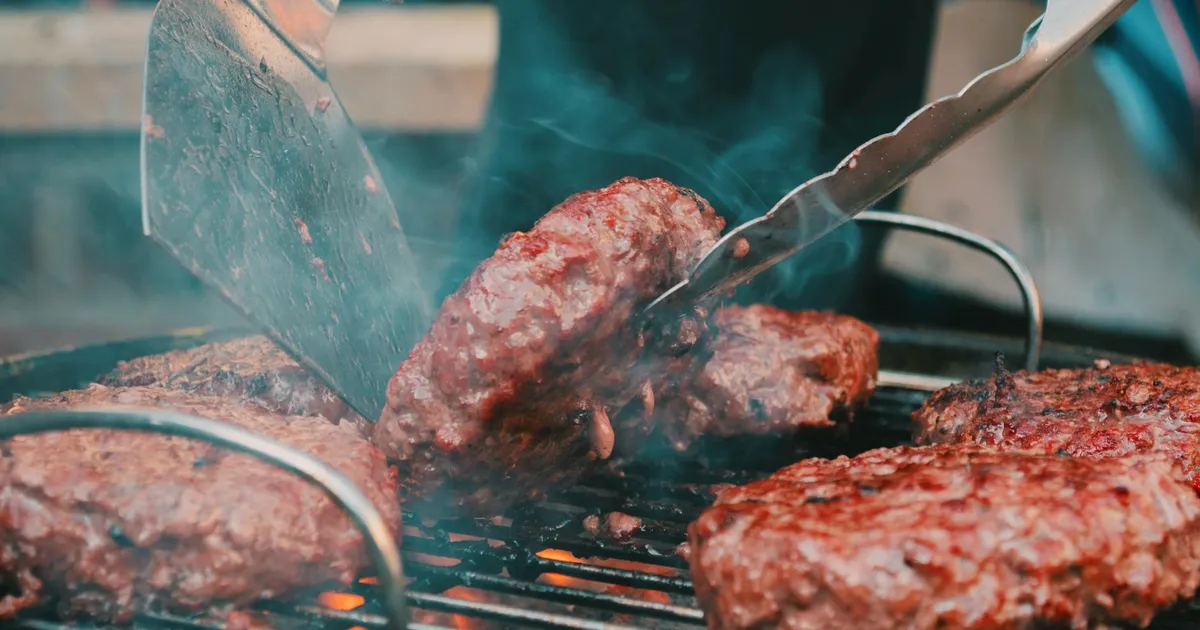
Photo by KitchenTemp via Pexels
The Required Internal Temperature for Ground Beef
Ground beef served in a restaurant must reach a minimum internal temperature of 160°F (71°C). Unlike whole-muscle beef cuts (steaks, roasts), there is no time-temperature alternative that allows you to serve ground beef at a lower temperature in standard food service. This is a hard floor set by the FDA Food Code.
The reason for the higher threshold comes down to how ground beef is processed. When a whole muscle cut is contaminated, pathogens exist on the exterior surface where high heat destroys them quickly. Grinding disperses any surface contamination throughout the entire product. A burger patty that is brown on the outside but 140°F (60°C) in the center may look done but contains bacteria distributed through every millimeter of the meat.
The primary pathogen of concern is E. coli O157:H7, which can cause severe illness and kidney failure. It has been the pathogen behind multiple high-profile restaurant outbreaks linked to undercooked burgers.
Why You Cannot Rely on Color
The industry shorthand "cook until no longer pink" is dangerous. Studies from the USDA have confirmed that ground beef can turn brown at temperatures well below 160°F (71°C) due to variations in pH, myoglobin content, and packaging gases. A patty that looks fully cooked may be holding at 145–150°F (63–65°C) — below the safe threshold.
Conversely, some ground beef stays pink past 160°F (71°C) due to high pH or carbon monoxide modified atmosphere packaging. Color alone will get you a foodborne illness outbreak. A probe thermometer is mandatory, not optional.

Temperature Reference Table for Ground Beef Products
| Ground Beef Product | Minimum Internal Temp | Notes | |--------------------|----------------------|-------| | Burger patty | 160°F (71°C) | No rest time required at this temp | | Meatballs | 160°F (71°C) | Check the center of the largest ball | | Meatloaf | 160°F (71°C) | Check the geometric center | | Taco meat / crumbled beef | 160°F (71°C) | Stir to even temp, then probe | | Stuffed peppers with ground beef | 160°F (71°C) | Check both beef and stuffing center | | Beef-based sauces (Bolognese, chili) | 165°F (74°C) | Reheating standard applies if pre-cooked |
Proper Thermometer Placement for Ground Beef
Probe placement is critical for accurate readings:
- Burger patties: Insert the probe horizontally through the side of the patty until the tip reaches the geometric center. This is more accurate than inserting vertically from the top, where you may be measuring closer to the hot surface than the true center.
- Meatballs and formed items: Insert into the center of the largest piece in the batch. The largest piece takes the longest to reach temperature and is your worst-case indicator.
- Crumbled beef (tacos, pasta sauce): Stir thoroughly to equalize temperature, then probe in the center of the pan. Avoid hot spots near the burner edge.
High-Volume Operations: Managing Temperature on a Busy Line
In a fast-casual restaurant cooking 200+ burgers during a lunch rush, checking every single patty is impractical. Here is a compliant approach:
- Calibrate equipment and set consistent parameters. Know the time-and-temperature relationship on your specific grill at a specific setting. Document it.
- Test the first batch of every cook cycle with a thermometer, every shift.
- Test any patty that deviates — thicker patties, partially frozen patties, items cooked on a different station.
- Log all readings. Regularity in your log tells an inspector you have a system. Gaps in the log raise questions.
Some jurisdictions allow a consumer advisory — a menu disclosure that the item may be served undercooked at the customer's request. This does not eliminate your liability and does not apply to vulnerable populations (children's menus, hospital foodservice, care homes). Know your local regulations before relying on advisory language.
Receiving and Storage: Temperature Starts at Delivery
Ground beef safety begins before cooking. At receiving:
- Fresh ground beef should arrive at 41°F (5°C) or below. Reject deliveries that arrive above this temperature.
- Ground beef has a shorter shelf life than whole muscle cuts. Use within 1–2 days of receipt, or freeze immediately.
- Frozen ground beef must be stored at 0°F (-18°C) or below.
- Thaw only in the refrigerator (41°F/5°C or below), under cold running water (monitored), or in the microwave if cooked immediately after.
- Never thaw ground beef at room temperature. The exterior enters the danger zone while the center is still frozen.
Cross-Contamination Controls
Ground beef juice is a major cross-contamination vector. Establish these controls:
- Store raw ground beef on the lowest shelf of the walk-in, below ready-to-eat foods.
- Designate separate cutting boards (color-coded) for raw ground beef prep.
- Wash hands and change gloves after handling raw ground beef and before touching any other food or surface.
- Sanitize all surfaces that contact raw ground beef before using them for other food preparation.
Building Your Ground Beef Temperature Log
Your HACCP plan should designate ground beef as a Critical Control Point (CCP). Each cooking event should be logged with:
- Date and time
- Menu item or preparation
- Thermometer reading before serving
- Employee logging the check
- Corrective action if below 160°F (71°C) (return to heat, re-check, discard if time exceeded)
How KitchenTemp Helps
KitchenTemp's mobile logging app makes it fast for line staff to record burger temperatures mid-service without disrupting workflow. If a reading comes in below 160°F (71°C), the app immediately prompts the corrective action steps and records the outcome. Every log is timestamped and stored in your compliance dashboard — exactly what your health inspector wants to see. Get started at KitchenTemp and put ground beef compliance on autopilot.