Handwashing Procedures for Restaurants: Compliance, Signage, and Training
Everything restaurants need to know about handwashing compliance: FDA requirements, sink setup, signage rules, staff training, and how to verify your team is doing it right.
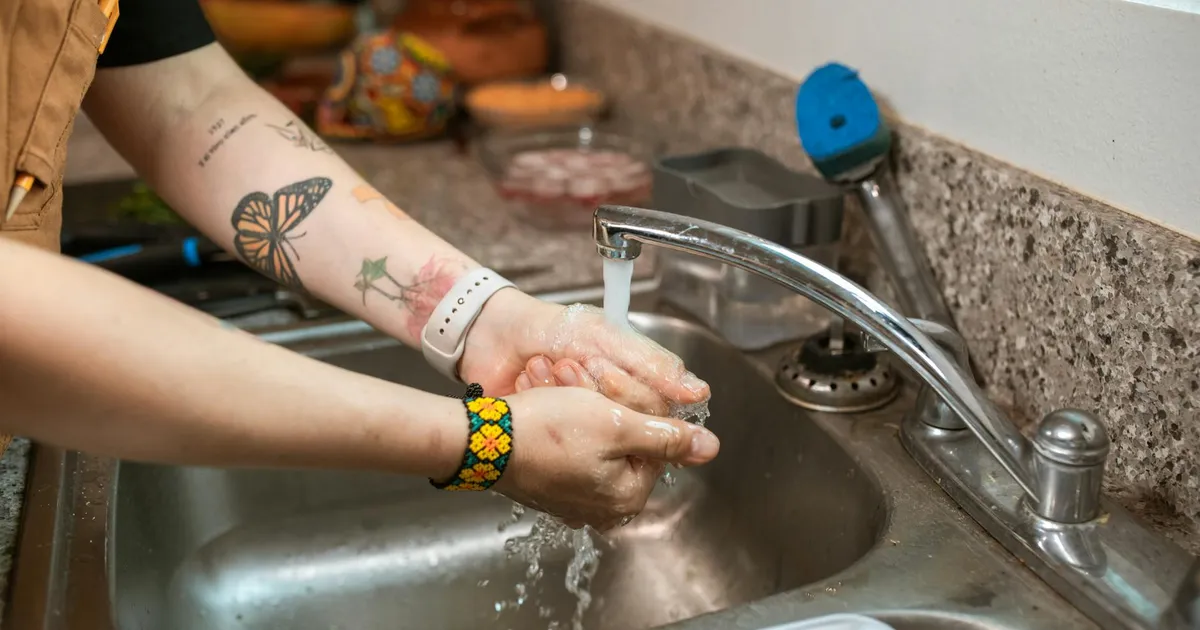
Photo by KitchenTemp via Pexels
The Most Cited Food Safety Violation You Can Prevent
Inadequate handwashing is one of the most frequently cited violations in health inspections — and one of the most preventable. It shows up as everything from an improperly stocked handwashing station (no soap or paper towels) to an observed failure by a food handler to wash hands at a required moment.
Unlike refrigeration failures or temperature violations, handwashing compliance is almost entirely within your control. It requires training, the right physical setup, and consistent enforcement. This guide covers all three.
FDA Handwashing Requirements for Food Service
The FDA Food Code establishes the baseline requirements that most state and local regulations follow. Key requirements:
When Hands Must Be Washed
Food handlers must wash their hands at minimum in these situations:
- Before beginning food preparation
- After handling raw meat, poultry, or seafood
- After using the restroom
- After handling garbage
- After touching the face, hair, nose, or mouth
- After coughing, sneezing, or blowing the nose
- After handling chemicals
- After handling money or a mobile phone
- After removing gloves
- After returning from any break
Required Handwashing Technique
The FDA-specified technique:
- Wet hands with warm water (at least 100°F in most jurisdictions)
- Apply soap (not sanitizer — liquid soap is required)
- Scrub for at least 20 seconds
- Rinse with warm running water
- Dry with a single-use paper towel or air dryer
The scrubbing duration (20 seconds) is the most commonly shortcut step. Address it directly in training — time 20 seconds with your staff so they have a genuine sense of how long it is.
Handwashing Sink Requirements
Dedicated Handwashing Sinks
Handwashing sinks must be:
- Dedicated — Not used for food preparation, equipment rinsing, or any other purpose
- Accessible — Within 5 feet of food preparation areas in most jurisdictions (verify with your local health code)
- Stocked at all times — Soap in dispenser, single-use paper towels or working air dryer, and a trash receptacle
- Working properly — Hot water (minimum 100°F), proper drainage, no damage to basin or fittings
Inspectors check handwashing sinks at every visit. Empty soap dispensers, missing paper towels, or sinks being used for non-handwashing purposes (soaking equipment, draining food) are all citable violations.
Common Handwashing Sink Violations
Empty or missing soap: The most common. Assign soap dispenser stocking to the opening and mid-shift checklists.
No paper towels: A full trash can with no paper towels in the dispenser is a violation. Stock dispensers generously.
Blocked sink: Equipment, boxes, or food stored in front of the handwashing sink. Keep the area clear. If staff have to move something to wash their hands, they will skip it.
Temperature too low: If the water never reaches 100°F, it is a plumbing issue that must be corrected. Cold water handwashing is less effective at removing pathogens and oils.
Sink used as a utility sink: Dumping ice, rinsing equipment, or soaking utensils in a designated handwashing sink is a violation. Every food preparation area needs separate utility/prep sinks.
Required Handwashing Signage
Who Needs It
Most jurisdictions require posted handwashing reminder signs at every handwashing sink accessible to food handlers. Some states also require it in customer restrooms.
What the Sign Must Say
Typically: "Employees must wash hands before returning to work" or equivalent language. Some states specify font size or language requirements. Check your local health code for the exact specification.
Bilingual Signage
In kitchens with multilingual staff, post signage in relevant languages. A handwashing reminder that a Spanish-speaking employee cannot read is not achieving its purpose. ServSafe and many state health departments offer downloadable bilingual handwashing posters at no cost.
Posting Height and Placement
Signs should be:
- At eye level (approximately 48–60 inches from the floor)
- Directly next to or above the sink
- Laminated or otherwise protected from moisture damage
- Clean and legible (a faded or water-damaged sign should be replaced)
Teaching Proper Handwashing Technique
Demonstration Over Description
Reading about handwashing does not produce compliant handwashers. Demonstrate the technique physically during every onboarding session:
- Take the new hire to the handwashing sink
- Wash your hands in front of them, narrating each step and timing the 20-second scrub out loud
- Have them wash their hands while you observe
- Provide specific feedback ("Your thumbs and the backs of your fingers need more attention")
This takes four minutes and produces a food handler who knows what proper technique feels like.
The 20-Second Timing Problem
Most people who think they are washing their hands for 20 seconds are actually washing for 7 to 10 seconds. In training, have staff time themselves with a stopwatch on their first practice wash. The gap between their estimate and the actual time is almost always surprising — and that surprise makes the lesson memorable.

The "Happy Birthday" Method
A widely used training heuristic: singing "Happy Birthday" twice at a normal tempo takes approximately 20 seconds. It is a reliable timer that requires no stopwatch and works in any language (or any equivalent song of similar duration).
Monitoring and Enforcement
Management Observation
The most effective enforcement of handwashing compliance is direct observation. Walk the kitchen periodically and watch for:
- Staff washing hands at required moments (particularly after raw protein handling and after phone use)
- Proper technique (duration, soap use, drying)
- Handwashing sinks being used rather than avoided
If you observe a failure, address it immediately and privately. "I noticed you didn't wash after that task — please go wash now, and let's talk about why this one matters" is more effective than a public correction.
Shift Handoff Checks
Include handwashing sink stocking in shift handoff checklists. Outgoing shift confirms: soap stocked, paper towels stocked, sink clear. Incoming shift confirms: same. No sink should run out of soap or paper towels for the duration of a shift.
Inspection Preparation
Before a health inspection — and as part of regular self-auditing — conduct a handwashing compliance audit:
- Are all sinks stocked?
- Is the water temperature adequate?
- Are sinks unobstructed?
- Is signage present and legible?
- Can staff demonstrate proper technique when asked?
Address any gap before an inspector finds it.
Special Considerations
Bare-Hand Contact Policies
Some operations adopt a no-bare-hand-contact policy for ready-to-eat foods, requiring gloves or tongs/utensils for all handling. This policy is particularly common in operations that serve high-risk populations (nursing homes, hospitals, schools) or that have experienced a Norovirus outbreak.
Even with a no-bare-hand-contact policy, handwashing requirements remain in full force. Hands must be washed before putting on gloves.
Nail Care
Under the FDA Food Code, food handlers who wear artificial nails or nail polish while handling food must wear gloves. Natural nails should be trimmed short — long nails harbor bacteria and are difficult to clean thoroughly. Nail brushes at handwashing sinks encourage thorough cleaning under nails.
How KitchenTemp Helps
Handwashing compliance is a daily operational discipline that pairs directly with temperature documentation. KitchenTemp handles the documentation side of your food safety program — logging every temperature check, corrective action, and cleaning task — so that when a health inspector walks in, your records demonstrate a kitchen that takes compliance seriously across every dimension.
A complete, timestamped temperature and corrective action log is strong evidence that your kitchen's overall food safety practices, including handwashing, meet the standard.
Start your free trial at KitchenTemp — and run a kitchen where compliance is visible in every record you keep.