Hot Holding Equipment Guide: Temperatures, Types, and Compliance
Complete guide to restaurant hot holding equipment. Steam tables, heat lamps, soup wells — correct temperatures, FDA requirements, logging protocols, and common violations.
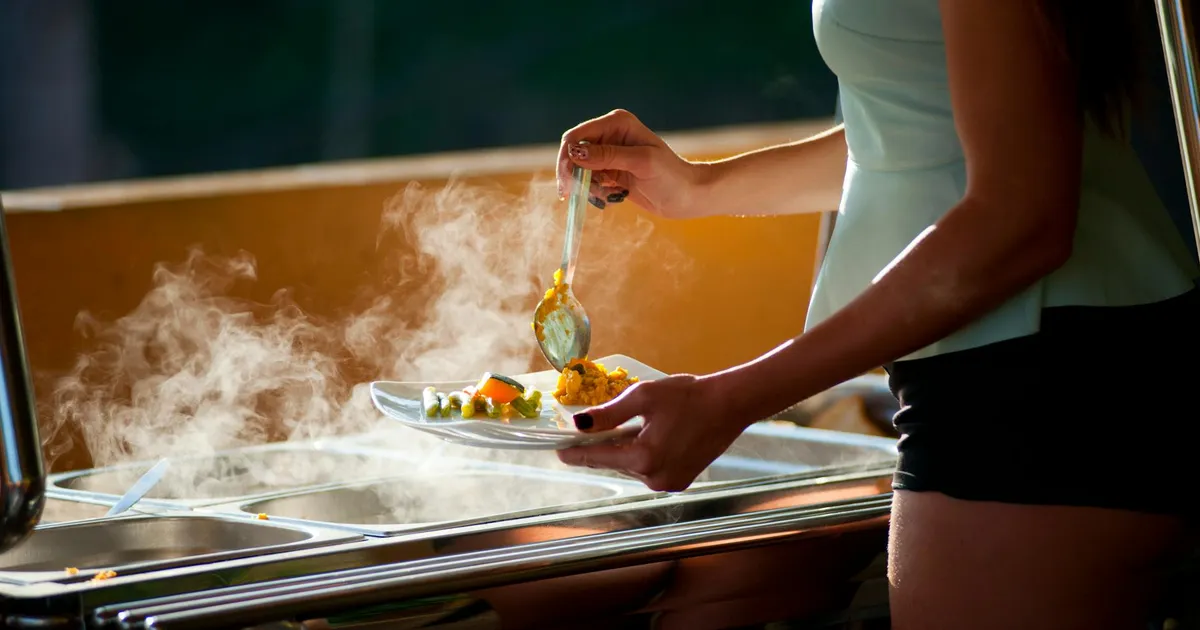
Photo by KitchenTemp via Pexels
The Hot Side of Food Safety
Cold holding gets most of the attention in food safety discussions, but hot holding violations are just as costly on a health inspection scorecard — and just as dangerous from a foodborne illness perspective. Food held below 135°F is in the temperature danger zone, where bacteria multiply rapidly.
The challenge with hot holding is that it is a sustained process, not a moment-in-time check. A steam table that starts service at 140°F may drift below 135°F two hours later. Food that is piled high may be correctly temped at the surface but dangerously cool at the core. This guide covers every type of hot holding equipment, the FDA 2022 Food Code requirements, and the logging practices that keep you compliant.
FDA 2022 Food Code Hot Holding Requirements
FDA 2022 Food Code Section 3-501.16(A)(1): TCS (Time/Temperature Control for Safety) foods held hot must maintain a temperature of 135°F (57°C) or above.
This is the single standard that applies to all hot-holding equipment. Unlike cooking temperatures (which vary by food type), the hot-holding minimum is the same for everything: 135°F.
The 4-Hour Rule for Hot Holding
In some jurisdictions, operators use the time-temperature alternative: food is held without temperature control for a maximum of 4 hours if it was above 135°F when removed from temperature control, and then discarded at the 4-hour mark if not sold or served. This method requires strict time labeling and is not appropriate for most full-service restaurant operations. Check your local health code before using this approach.
Types of Hot Holding Equipment
Steam Table (Bain-Marie)
The steam table is the most common hot-holding system in full-service restaurants. Heated water in the base creates steam that maintains food-pan temperature.
Target temperature: Water temperature at 180-212°F maintains food temperature at ≥135°F.
Critical operating note: Pre-heat the steam table 30-45 minutes before service. Loading food into a cold steam table is a violation waiting to happen — food will cool before the unit reaches full temperature.
Common problems:
- Not pre-heated before service → food dropped below 135°F before service even begins
- Pan inserts not sealed properly → heat escapes
- Lids removed during service → rapid heat loss
| Steam Table Problem | Cause | Fix | |--------------------|-------|-----| | Food below 135°F at service start | Not pre-heated | Pre-heat 45 min before loading | | Food cools quickly on line | Lids removed, high traffic | Use angled covers or sneeze guards | | Uneven temperatures across pans | Pan inserts not sealed | Check pan-to-insert fit; replace worn gaskets | | Standing water heating unevenly | Mineral buildup | Descale water reservoir monthly |
Heat Lamps and Infrared Holding
Heat lamps maintain temperature through radiant heat. They are effective for short-duration holding (under 30 minutes for most foods) and for crispy foods that would lose texture in a steam environment.
Target: Food surface temperature ≥135°F. Probe food at service, not the air under the lamp.
Limitation: Heat lamps are not effective for thick foods or foods held longer than 30-60 minutes. Core temperature drops even as surface temperature is maintained.
Best for: Fried items (holding while completing an order), plated food, bread rolls.
Soup Wells
Soup wells are dedicated hot-holding units for liquids. They maintain temperature more effectively than steam tables for soups and sauces.
Target: Liquid temperature ≥135°F throughout.
Logging: Probe the center of the soup, not the surface. Surface temperature may be higher due to convection; center temperature is the compliance measurement.
Critical: Stir before probing — soups stratify with temperature gradients from surface to center.
Hot Holding Drawers and Cabinets
Common in pizza operations and fast food, heated holding drawers and cabinets are designed for specific food types with controlled temperature and humidity settings.
Target: Per manufacturer setting, maintaining ≥135°F food temperature.
Maintenance: Clean heating elements and check temperature settings weekly. Calibrate against a probe thermometer monthly.
Chafing Dishes (Catering/Buffet)
Chafing dishes using Sterno or electric heating are a compliance risk in catering applications because they are less controllable than commercial steam tables.
Target: ≥135°F food temperature maintained with active heat source.
Critical requirement: The heat source must be active during all service. Checking food temperature every hour in buffet/catering service is essential — chafing dishes lose effectiveness as fuel depletes and water levels drop.

Hot Holding Temperature Logging
Unlike cold storage (where you can check the unit thermometer), hot holding requires probing food directly. The unit temperature is insufficient — food temperature is the compliance metric.
When to Log
| Service Type | Logging Frequency | |--------------|-------------------| | Buffet / all-day service | Every 2 hours | | Standard lunch/dinner service | At service start + every 2 hours | | Catering event | At setup + every 2 hours | | Pre-service prep staging | At each hold point |
What to Record
- Time of measurement
- Food item / pan name
- Probe temperature (center of deepest food item)
- Staff member
- Corrective action if below 135°F
Responding to Below-135°F Readings
If hot-held food reads below 135°F:
- Check how long it has been in the danger zone: If below 135°F for less than 2 hours total, you can reheat to 165°F and return to hot holding at ≥135°F.
- Reheat properly: Reheat to 165°F (74°C) within 2 hours on a stove or in an oven — not in the steam table. Steam tables are holding equipment, not reheating equipment. A standard steam table cannot reheat food from 120°F to 165°F quickly enough.
- If time is unknown or exceeded 2 hours: Discard the food. Document the discarding.
- Never reheat in a steam table: Steam tables maintain temperature; they cannot bring cold food to 165°F in the required timeframe.
Pre-Service Protocol
A proper hot-holding protocol starts before the first customer is seated:
Two hours before service:
- Start pre-heating all steam tables and soup wells
- Verify water levels in steam table reservoirs
- Turn on heat lamps
Thirty minutes before service:
- Check equipment temperature — steam table water should be at 180°F+
- Load food — food placed in equipment at cooking completion temperature (≥135°F)
- Probe each pan before service begins
At service start:
- Log initial temperature for every hot-held item
- Verify all temperatures ≥135°F before first order is served
- Set a timer for your 2-hour logging reminder
Time as a Control: The Alternative Approach
FDA 2022 Food Code allows using time alone as a food safety control for hot-held food, subject to specific conditions:
- Food must have been at 135°F or above at the time temperature control was removed
- Food must be clearly labeled with the time it was removed from temperature control
- Food must be consumed or discarded within 4 hours
- The written procedure must be documented in your HACCP plan
- This approach is not appropriate for all foods or all operations
If you use time as a control, every item must have a label showing when it was pulled from the steam table. At the 4-hour mark, it is discarded — no exceptions.
Equipment Maintenance for Hot Holding
| Task | Frequency | |------|-----------| | Clean steam table reservoir and remove mineral deposits | Weekly (descale monthly) | | Inspect heating elements on soup wells and drawers | Monthly | | Calibrate temperature control settings against probe thermometer | Monthly | | Inspect and replace worn pan gaskets | As needed | | Deep clean heat lamp shields and reflectors | Monthly | | Check power connections and thermostatic controls | Quarterly |
How KitchenTemp Helps
Hot holding temperature logging is one of the most time-sensitive documentation requirements in your kitchen — readings must happen every 2 hours during service, even on your busiest Saturday nights. KitchenTemp sends reminders at your configured intervals, makes logging fast from any mobile device, and keeps a complete record of every reading and corrective action.
When an inspector asks to see your hot-holding logs, the record is complete. Start your free trial at KitchenTemp.