Hotel Restaurant Food Safety: Managing Compliance Across Multiple Outlets
Food safety management for hotel food and beverage operations. How to maintain compliance across multiple outlets, banquet operations, room service, and high-turnover staff.
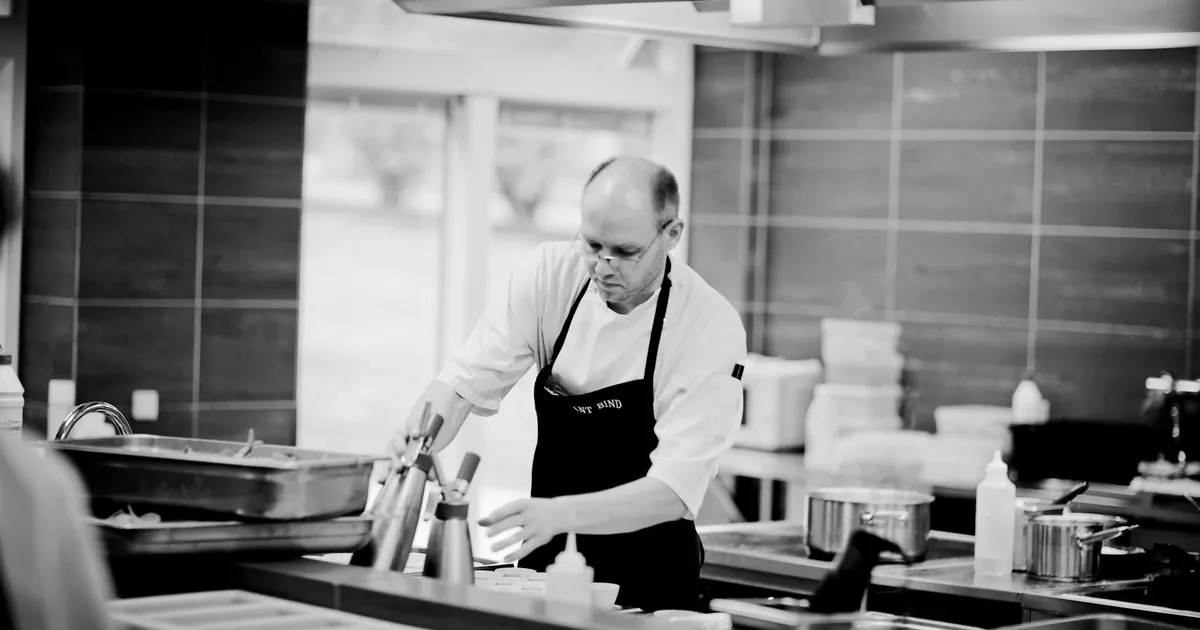
Photo by KitchenTemp via Pexels
The Complexity of Hotel Food and Beverage Operations
A hotel food and beverage department is not a restaurant. It is multiple restaurants, a banquet operation, room service, a bar program, and potentially a pool-side or outdoor food service — all operating simultaneously, often sharing a central kitchen, and all subject to the same food safety compliance requirements.
The complexity compounds quickly: a banquet kitchen preparing for a 500-person wedding reception while the restaurant kitchen is running dinner service is a scenario that a single-outlet restaurant manager never encounters. Staff may rotate between outlets. Equipment may be shared. The HACCP plan must account for every food flow across every outlet, not just the main dining room.
This guide addresses the specific food safety management challenges of hotel food and beverage operations.
Managing Multiple CCPs Across Multiple Outlets
Mapping the Food Flow
The starting point for a hotel food safety management system is a complete map of every food flow in the operation:
- Where is food received? (Loading dock, vendor deliveries, commissary transfers)
- Where is food stored? (Central cold storage, outlet-specific refrigeration, dry storage areas)
- Where is food prepared? (Central production kitchen, banquet kitchen, outlet prep areas)
- Where is food held before service? (Hot-holding units, cold-holding in each outlet, transport to banquet rooms)
- Where is food served? (Restaurant dining room, banquet halls, room service delivery, bar)
- Where does leftover food go? (Return to storage, discard, staff meals)
Each junction in this flow is a potential CCP (Critical Control Point) where hazards can be introduced or where control must be applied. A hotel operation has significantly more junctions than a standalone restaurant.
HACCP Documentation for Hotel Operations
Hotel food and beverage departments typically operate under a comprehensive HACCP plan that covers all outlets. Key elements:
- Separate process flows for the restaurant, banquet, and room service operations
- CCPs identified for each distinct food handling pathway
- Critical limits established for each CCP
- Monitoring procedures specifying who checks what, where, and when
- Corrective actions defined for each CCP failure
In hotels with strong F&B management, the HACCP plan is a living document reviewed and updated when menus change, new outlets open, or production procedures shift.
Banquet Operations: The Highest-Risk Context
Hotel banquet operations present the most challenging food safety environment in hospitality:
- Large quantities of food prepared hours in advance of service
- Extended holding periods (food may sit in transport carts for 1–2 hours before service)
- Service compressed into a short window (all 400 guests served within 20 minutes)
- Staff who may not be regular F&B employees (banquet servers are often event-specific hires)
The Banquet Timeline and Temperature Control
For a typical hotel banquet, the temperature risk timeline looks like this:
- Production (3–4 hours before service): Food cooked to correct internal temperature
- Cooling and holding (if applicable): Food may be held in refrigeration and reheated immediately before service, or held hot from production
- Loading transport carts: Food transferred to insulated banquet carts — temperature must be verified and logged at this step
- Transport to banquet hall: Carts moved from kitchen to service area — ambient temperature in hotel corridors can affect transport carts
- Service: Food placed in chafing dishes — pre-heated chafing dishes should be verified before food is loaded
- Service window: 2–4 hours of buffet service
At each of these stages, a temperature check and log entry is required to demonstrate that the food remained within safe parameters. For a hotel operation serving hundreds of guests, this documentation is not optional — it is the difference between a manageable corrective action and an outbreak investigation.
Banquet Staff Training
Banquet staff are often the weakest link in hotel food safety because they are frequently employed on a per-event basis, receive minimal food safety orientation, and are primarily focused on service logistics rather than safety procedures.
All banquet staff who handle food should receive, at minimum:
- Illness reporting policy and exclusion criteria
- Basic handwashing procedure
- What to do if a food temperature is out of range (notify the banquet chef immediately)
- Allergen awareness and how to handle guest allergen requests
Regular banquet staff (those employed more than 3 months) should complete a full food handler certification.
Room Service: The Invisible Compliance Gap
Room service is often overlooked in hotel food safety programs — it is a small volume operation compared to restaurant or banquet service, and it operates in a decentralized way that makes oversight difficult.
Temperature Risks in Room Service
- Food is plated and transferred to a room service trolley, then transported through the hotel to a guest room
- Transport time may be 15–30 minutes
- Food arrives in a guest room without any supervision of how it is handled after delivery
- Room service delivery staff typically have minimal food safety training
Room Service Compliance Requirements
The same temperature requirements apply to room service food as to any other food served to the public:
- Hot food must be at or above 135°F at the time of service (delivery to the room)
- Cold food must be at or below 41°F at the time of service
- TCS foods must be delivered within a time window that does not allow the 4-hour danger zone limit to be exceeded
Verify food temperatures at plating. Use insulated dome covers and food warmers for hot items; insulated cold boxes for cold items. Log temperatures at plating rather than attempting to check temperatures at room delivery.
Staff Turnover and Training Continuity
Hotels typically experience higher food service staff turnover than independent restaurants. This creates a persistent training challenge: food safety knowledge is constantly being rebuilt from scratch as new hires replace departing staff.

Building Training Into Hotel Operations
- Standardize onboarding: every food-handling hire, from restaurant line cook to banquet server, receives the same core food safety orientation
- Use digital training records: paper employee files are easily lost during staff transitions; digital records are persistent and searchable
- Cross-train supervisors: every supervisor in every outlet should be qualified to deliver basic food safety training, not just the executive chef
- Conduct quarterly refreshers, not just annual ones: high-turnover environments need more frequent reinforcement, not less
Health Inspections in Hotel Operations
Hotels with food service outlets are typically inspected by the same county or municipal health department that inspects standalone restaurants — but the inspection covers all food service areas. An inspector visiting a hotel may inspect the restaurant, the banquet kitchen, the bar, the room service prep area, and the pool bar in a single visit.
This means the documentation must be comprehensive across all outlets. Temperature logs, corrective action records, and staff certification documentation must be current and accessible for every food service area — not just the restaurant.
Many hotel F&B directors maintain a centralized documentation binder (or digital folder) that contains records for all outlets, organized by outlet and date, so that any inspector can be directed to complete documentation for any part of the operation.
How KitchenTemp Helps
KitchenTemp's multi-location and multi-station architecture is designed for exactly the kind of complex, multi-outlet operation that hotel food and beverage represents.
Set up separate monitoring zones for the restaurant kitchen, banquet kitchen, bar, and room service. Assign logging responsibilities to specific roles in each area. Managers get a consolidated dashboard view across all outlets — so the F&B director can see at a glance that the banquet kitchen logged its pre-service temperatures and the restaurant's walk-in is within range, without physically walking through every area.
When an inspector arrives, produce a complete record for any outlet, any date, in seconds.
Start your free trial at KitchenTemp — and manage your hotel's food safety with the same operational discipline you bring to your guest experience.