How to Appeal a Restaurant Health Inspection Result
Step-by-step guide to appealing a restaurant health inspection result. Know your rights, how to file a formal appeal, and how to prepare for reinspection.
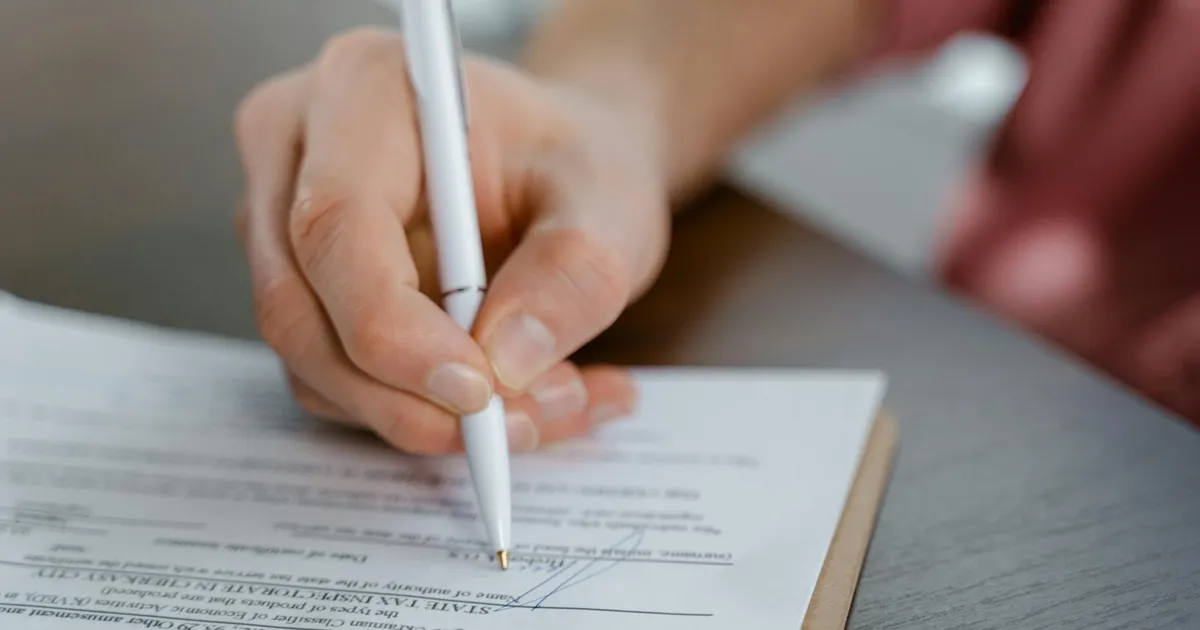
Photo by KitchenTemp via Pexels
When to Consider an Appeal
Receiving a poor health inspection score is frustrating — especially if you believe the findings were inaccurate, the inspector misapplied the code, or the documentation you provided was not properly considered. Appealing is your right, and knowing how to do it correctly can protect your score, your public grade, and your business reputation.
However, appeals are not the right response to every unfavorable result. Before pursuing one, assess honestly whether the violations cited were accurate. Appealing legitimate findings wastes time and can damage your relationship with your local health department. The appeal process is best reserved for genuine errors: a violation code misapplied, a finding based on incorrect temperature measurement, or a procedural irregularity during the inspection itself.
Understanding the Appeal Process
The appeal process varies by jurisdiction, but follows a consistent structure across most U.S. states and counties. Here is the general framework:
Step 1: Request the Inspection Report
You are entitled to a copy of the full inspection report, including:
- Every violation cited with the specific FDA Food Code section referenced
- The inspector's notes and observations
- Any photos taken during the inspection (in jurisdictions that require photographic documentation)
- The correction deadline for each violation
Request this immediately — do not wait. Some jurisdictions impose short deadlines for initiating appeals (as little as 10 business days from the date of inspection).
Step 2: Review Each Violation Carefully
Go through every cited violation line by line. For each one, ask:
- Is the FDA Food Code citation correct? Look up the exact code section cited. Confirm that the condition observed actually constitutes a violation under that section.
- Was the measurement accurate? Temperature violations depend on the inspector's thermometer reading. If your logs show a different reading at the same time, that is potential grounds for dispute.
- Was the corrective action already in progress? In many jurisdictions, if a violation is corrected on-site during the inspection, it should be noted as corrected and carry reduced weight.
- Was the violation category correct? Misclassifying a core violation as a priority violation is a procedural error that affects your score disproportionately.
Step 3: Gather Evidence
Your appeal is only as strong as the evidence you can present. Compile:
| Evidence Type | What It Demonstrates | |---------------|---------------------| | Temperature logs | Your recorded readings vs. inspector's findings | | Calibration records | Your thermometer was accurate | | Training records | Staff were trained on the relevant procedure | | Photos (your own) | Condition of the facility before/during inspection | | Supplier invoices | Approved food sources for food-origin violations | | Pest control records | Current contract and recent service documentation |
This is why complete, timestamped digital temperature logs matter. If an inspector cites a cold-holding violation at 10:42 AM, and your logs show the unit was at 39°F at 10:15 AM and 10:50 AM with no open door events in between, you have a credible dispute.

Step 4: File the Formal Appeal
Most jurisdictions require a written appeal filed with the health department's administrative division (not the inspector or their direct supervisor). The appeal should include:
- Your identifying information: restaurant name, license number, address
- Inspection date and inspector's name (from your report)
- Each violation you are contesting, identified by code section
- Your specific grounds for appeal: factual dispute, procedural error, code misapplication
- Supporting evidence: attached copies of logs, certifications, service reports
Keep your language professional and specific. "The inspector was wrong" is not an argument. "Our timestamped temperature log showing a reading of 39°F at 10:15 AM and 40°F at 10:50 AM contradicts the cited violation of 3-501.16(A)(2) at 10:42 AM" is an argument.
Step 5: Attend the Hearing
Appeals typically result in an administrative hearing with a hearing officer who is not the original inspector. Prepare to:
- Present your evidence calmly and in order
- Have a manager who was present during the inspection available to speak
- Bring printed copies of all evidence for the hearing officer
- Know the relevant FDA 2022 Food Code sections by number
You have the right to bring legal representation, though many restaurants handle routine appeals without an attorney. For high-stakes situations — a closure order, a significant grade impact, or a pattern of repeated violations — consider consulting a food service regulatory attorney.
What You Can Realistically Expect
Appeals succeed most often in these scenarios:
- Measurement disputes with contradicting documentation
- Procedural errors (incorrect code citation, incorrect violation category)
- On-site corrections that were not recorded as corrected
- Missing context (the food was just received, not improperly stored)
Appeals rarely succeed when:
- The violation was observed directly (a staff member not washing hands, bare-hand contact with food)
- You have no documentation to contradict the inspector's findings
- The violation is consistent with your general operating practices
Reinspection: The Practical Alternative
For most situations — particularly where violations were legitimate but have since been corrected — a reinspection is more valuable than an appeal. A clean reinspection:
- Updates your public grade immediately (in letter-grade jurisdictions)
- Closes the violation record
- Demonstrates corrective ability to the health department
File for a reinspection as soon as all corrections are complete. Do not wait. In most jurisdictions, the reinspection score replaces or supplements the original score in public records.
Preparing Documentation for the Next Inspection
Whether you appeal or accept the result, use this experience to close the documentation gaps that made you vulnerable. The most common reason appeals fail is insufficient documentation — not because the restaurant was actually in violation, but because they cannot prove they were not.
Going forward:
- Log temperatures every shift with timestamps and staff attribution
- Document every corrective action taken on out-of-range readings
- Keep training records current and accessible
- Maintain a complete binder (or digital equivalent) with HACCP plan, pest control records, and supplier documentation
The best appeal is the one you never need to file because your documentation is airtight from day one.
How KitchenTemp Helps
KitchenTemp creates the audit trail that makes appeals possible. Every temperature reading is timestamped, attributed to a specific staff member, and permanently stored. When you need to dispute a temperature violation, you can produce a precise log showing every reading before and after the inspector's visit — with no gaps.
Protect your right to appeal with documentation that holds up. Start your free trial at KitchenTemp.