Restaurant Kitchen Equipment Cleaning Schedule: Daily, Weekly, and Monthly
Complete restaurant kitchen equipment cleaning schedule organized by frequency. Keep every piece of equipment inspection-ready with this structured maintenance guide.
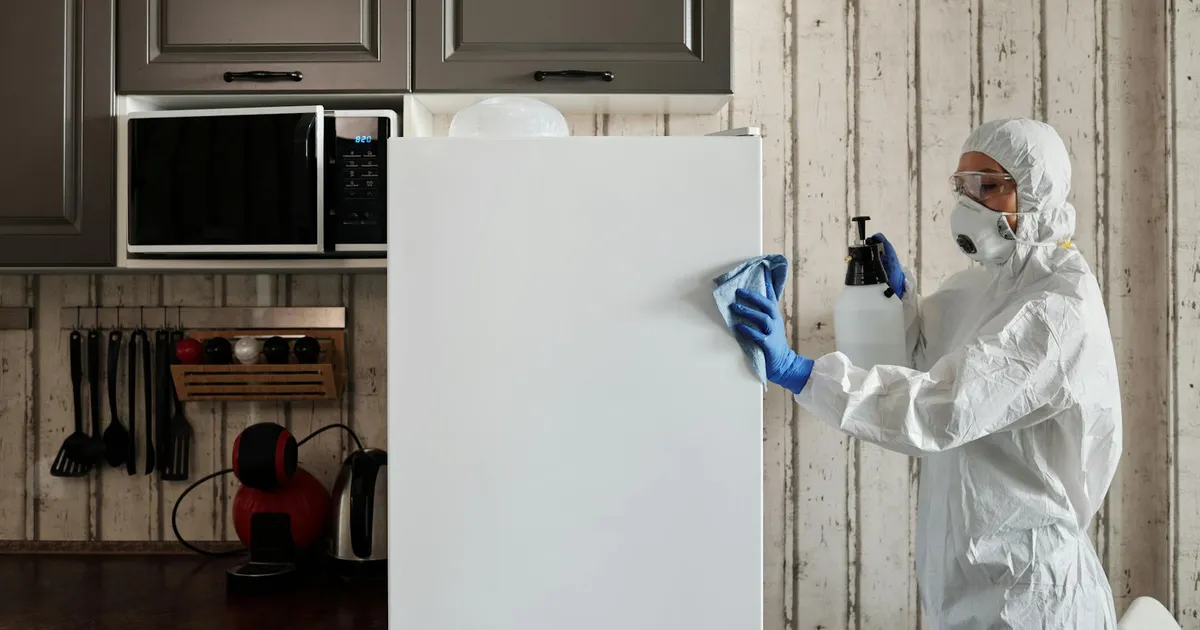
Photo by KitchenTemp via Pexels
Why Your Cleaning Schedule Is a Food Safety System
Health inspectors evaluate cleanliness not just as an aesthetic issue but as a food safety indicator. Equipment in disrepair, grease buildup on cooking surfaces, and organic residue on food-contact equipment are not just unsightly — they are vectors for pathogen growth, cross-contamination, and pest attraction.
A documented cleaning schedule that is actually followed demonstrates operational discipline. The presence of a schedule alone earns you nothing; the evidence that it has been followed — clean equipment, no buildup, organized documentation — is what matters.
This schedule is organized by frequency so you can build it into your daily, weekly, and monthly operations.
Daily Cleaning (Every Operating Day)
Food Contact Surfaces (Clean and Sanitize After Each Use)
Under FDA 2022 Food Code, all food-contact surfaces must be cleaned and sanitized after each use and at a minimum every 4 hours during continuous use.
Cutting boards:
- Remove visible debris
- Wash with hot water and dish soap
- Rinse thoroughly
- Sanitize with approved sanitizer solution (allow contact time per label)
- Air dry — never towel dry food-contact surfaces
Prep tables:
- Clear all food and debris
- Wash with hot water and detergent
- Rinse with clean water
- Apply sanitizer solution (50-100 ppm chlorine, or per QAC label)
- Allow to air dry
Mixer bowls, attachments, and beaters:
- Wash in three-compartment sink: wash, rinse, sanitize
- Allow to air dry completely before storage
Cooking Equipment (After Each Service)
Flat-top griddle / grill:
- Scrape while hot using appropriate scraper
- Wipe down with clean cloth
- After complete cooling: wash with degreasing agent, rinse, apply thin layer of food-grade oil to prevent rust
Fryer:
- Filter oil after each service (extends oil life, reduces carcinogen buildup)
- Clean exterior surfaces and control panel
- Weekly or bi-weekly: full oil change and boil-out cleaning
Range tops and burner grates:
- Remove grates and clean with degreaser
- Wipe down range surface with degreasing cloth
- Check burner ports for clogging (clear with stiff brush if needed)
Ovens:
- Wipe down interior with appropriate oven cleaner (check for food-safe formulations)
- Clean door seals
- Clean oven door glass
Steam tables:
- Drain water reservoir after service
- Wipe interior and exterior surfaces
- Check pan inserts for buildup at the water line
Refrigeration (Daily)
- Wipe down exterior handles and door surfaces (high-contact areas)
- Check and clean gaskets of any food residue
- Check that all food is covered, labeled, and in correct storage order
Dishwashing Area
- Clean three-compartment sink: drain and wipe after service
- Scrub and rinse dish machine interior (interior spray arms, side panels)
- Clean and unclog drain
- Refill sanitizer dispenser if needed
- Clean and sanitize test strip dispenser area
Floors, Walls, and Drains
| Surface | Daily Action | |---------|-------------| | Kitchen floors | Sweep, mop with appropriate cleaner, sanitize | | Floor drains | Remove cover, clear debris, flush with hot water | | Floor sinks | Clear any food debris, flush | | Grease trap (if floor-level) | Check for overflow | | Walls near cooking (splash zone) | Wipe down any splatter |

Weekly Cleaning
Weekly cleaning addresses the areas that accumulate over a week of service. Schedule specific days for each task so they are completed consistently.
Deep Equipment Cleaning
Can opener: One of the most frequently cited unsanitary pieces of kitchen equipment. Food residue in the blade assembly provides an ideal bacterial growth environment.
- Disassemble blade and cutting wheel
- Soak in hot soapy water
- Scrub all surfaces
- Sanitize and air dry
Meat slicer: Slicers must be cleaned and sanitized after each use per FDA 2022 Food Code, but a full deep clean should happen weekly:
- Remove blade (with cut-resistant gloves)
- Clean all disassembled components in three-compartment sink
- Clean blade guard, carriage, and food contact surfaces
- Reassemble and sanitize
- Document cleaning on equipment log
Food processor:
- Disassemble all blades and bowls
- Three-compartment sink wash/rinse/sanitize
- Inspect bowl for cracks (cracks harbor bacteria and are a violation)
Stand mixer (full disassembly):
- Remove bowl and all attachments
- Clean inside the head housing where residue accumulates
- Three-compartment sink cleaning
Refrigeration Deep Clean (Weekly)
- Remove all items from one unit
- Wash interior shelves with hot soapy water
- Rinse and sanitize all interior surfaces
- Clean door gaskets (fold back gasket and clean the groove)
- Return items in correct storage order
- Rotate through all units on a schedule so each is fully cleaned at least weekly
Exhaust Hood and Filters
- Remove hood filters
- Soak in degreaser solution (commercial degreaser, follow dilution)
- Scrub and rinse thoroughly
- Reinstall
- Wipe down hood interior baffle surfaces
Full hood cleaning (including ductwork) is typically performed quarterly by a professional service — but filter cleaning is a weekly operation task.
Walk-In Cooler and Freezer
- Remove all items from one shelf section
- Wash and sanitize shelf surface
- Clean floor of any spills or debris
- Check door seals for cracking or mold
- Inspect walls for mold or condensation buildup
Dry Storage
- Sweep and mop floor
- Check all items for damage, spills, pest evidence
- Ensure all items are off the floor (minimum 6 inches)
- Rotate stock (FIFO — first in, first out)
- Discard any expired or damaged items
Monthly Cleaning
Monthly cleaning addresses components that accumulate over weeks and require more intensive attention.
Refrigeration Coils and Condensers
- Clean condenser coils on all reach-in refrigerators (typically located behind or beneath the unit)
- Use a soft brush or vacuum to remove dust and debris
- Do not use water on electrical components
- Schedule professional service for walk-in cooler condenser cleaning
Exhaust Hood Professional Service
Full professional hood cleaning (the system beyond the filters) is typically required quarterly, but monthly inspection of accessible areas — including above the filters — is recommended. Document professional service dates.
Grease Traps
- Professional grease trap pumping should occur on a schedule based on your kitchen volume (typically monthly to quarterly)
- Keep service receipts on file — inspectors may request documentation of grease management
Ice Machine
This is one of the most frequently neglected pieces of equipment in commercial kitchens.
- Remove all ice
- Clean interior with approved ice machine cleaner (follow EPA and NSF protocols)
- Sanitize bin and ice delivery components
- Inspect water filter — replace per manufacturer schedule (typically every 6 months)
- Document cleaning date on equipment log
Ice machines can harbor mold, mildew, and Legionella if not cleaned on schedule. Monthly cleaning is minimum; many manufacturers recommend every 3-6 months with a mid-cycle sanitizing rinse.
Chemical Storage
- Check that all chemicals are labeled clearly and stored in original containers
- Verify that cleaning chemicals are stored separately from food
- Check expiration dates on sanitizers

Documenting Your Cleaning Schedule
For health inspection purposes, documented cleaning is far more valuable than undocumented cleaning. Your cleaning log should include:
| Field | Example | |-------|---------| | Date completed | 2026-03-26 | | Equipment cleaned | Meat slicer (full disassembly) | | Cleaning method | Three-compartment sink, sanitizer 150 ppm | | Completed by | K. Williams | | Manager sign-off | P. Rodriguez |
The cleaning log closes a common inspection gap: the inspector sees clean equipment but cannot confirm that it is cleaned on a regular schedule without the documentation.
Sanitizer Concentration Reference
| Sanitizer Type | Required Concentration | Test Method | |----------------|----------------------|-------------| | Chlorine bleach | 50-100 ppm | Test strips | | Quaternary ammonium (QAC) | 200-400 ppm (per label) | QAC test strips | | Iodine | 12.5-25 ppm | Test strips |
Check concentration at setup and every 2 hours for active sanitizer buckets. Log concentration in your sanitation record.
How KitchenTemp Helps
While KitchenTemp focuses on temperature documentation, your overall compliance story includes your cleaning and sanitation practices. KitchenTemp's corrective action and notes features let managers document equipment issues, schedule follow-up checks, and maintain a complete operational log that covers more than just temperatures.
Keep every piece of your compliance documentation in one place. Start your free trial at KitchenTemp.