Pork Safe Cooking Temperature: 145°F Plus a 3-Minute Rest
USDA updated pork's safe cooking temp to 145°F (63°C) with a 3-minute rest. Learn what this means for your restaurant menu and compliance logs.
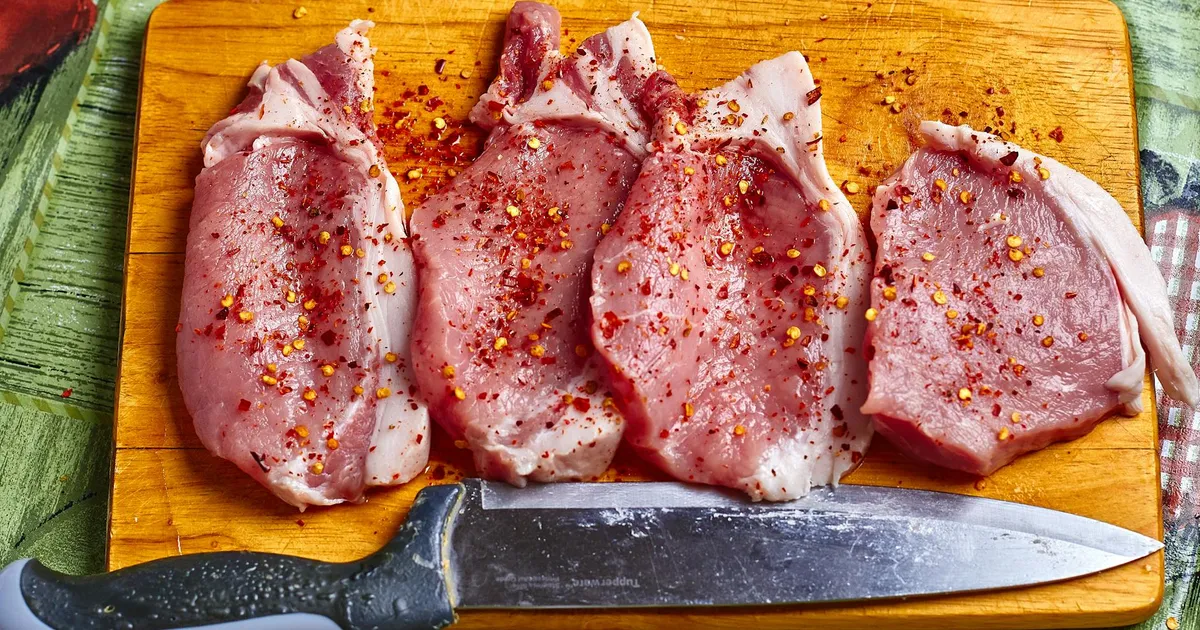
Photo by KitchenTemp via Pexels
The Current USDA Safe Temperature for Pork
The USDA updated its pork cooking guidance in 2011, and many restaurants are still operating on the old standard. The current requirement for whole-muscle pork cuts (chops, roasts, tenderloins, loin) is 145°F (63°C) internal temperature followed by a 3-minute rest period. This replaced the previous 160°F recommendation.
The rest period is not optional. It is part of the safety equation. During those three minutes, the carry-over heat continues working — internal temperature may rise a few degrees and the lethal effect on pathogens continues. The USDA's research demonstrates that 145°F (63°C) + 3 minutes achieves the same pathogen destruction as the old 160°F instant standard.
The practical result is that properly cooked pork chops and tenderloin may show a slight pink tinge in the center. This is food-safe. Your staff needs to understand this — a well-meaning line cook sending back a 148°F pork chop because it "looks pink" is wasting product and ignoring the science.
Ground Pork: A Different Standard
The rest-and-temperature flexibility applies only to whole-muscle cuts. Ground pork must be cooked to 160°F (71°C), the same as ground beef. Grinding distributes any surface contamination throughout the product, eliminating the safety benefit of the surface-sear that protects whole cuts.
Pork sausage (whether fresh links, patties, or bulk) is ground pork and must reach 160°F (71°C). This applies regardless of whether the sausage contains fillers, spices, or other ingredients.
Temperature Reference Table for Pork Products
| Cut / Product | Minimum Internal Temp | Rest Time | |---------------|----------------------|-----------| | Pork chops (bone-in or boneless) | 145°F (63°C) | 3 minutes | | Pork tenderloin | 145°F (63°C) | 3 minutes | | Pork loin roast | 145°F (63°C) | 3 minutes | | Pork shoulder / butt (whole) | 145°F (63°C) | 3 minutes | | Pulled pork (slow cooked) | 195–205°F (91–96°C) | For texture; safety achieved much earlier | | Ham (raw / fresh) | 145°F (63°C) | 3 minutes | | Ham (pre-cooked, reheating) | 140°F (60°C) | For pre-cooked/cured only | | Ground pork / pork sausage | 160°F (71°C) | None required | | Pork ribs | 145°F (63°C) | 3 minutes (typically cooked far higher) |
Trichinella: The Historical Reason for the Old 160°F Standard
The reason pork historically required higher temperatures was Trichinella spiralis, a parasitic roundworm. Trichinella is destroyed at 137°F (58°C) — well below the current 145°F standard. The extra margin in the new guidance is substantial.
Modern commercial pig farming in the United States has essentially eliminated Trichinella from the domestic pork supply. USDA survey data shows near-zero prevalence in commercially raised hogs. The 145°F standard accounts for this change while maintaining a significant safety buffer.
The Trichinella risk is more relevant for wild game pork (feral hog, wild boar) and imported pork from regions with less controlled farming. If your menu features wild boar or other non-commercial pork, you should consult your health department about applicable standards — some jurisdictions hold wild game to stricter requirements.
Measuring Temperature in Different Pork Cuts
Probe placement varies by cut:
- Chops: Insert horizontally into the thickest part of the meat, avoiding contact with the bone. Bone conducts heat and will give a falsely high reading.
- Tenderloin: The tapered thin end cooks faster than the center. Probe the thickest center section.
- Roasts: Probe the geometric center — the point farthest from any surface. Multiple probe readings at different depths are good practice for large roasts.
- Ribs: Probe between the bones into the thickest meat section. Ribs are typically cooked well past 145°F in low-and-slow preparations.
- Sausage links: Probe horizontally through the end of the link to reach the center.
Managing the Rest Period in Restaurant Service
The 3-minute rest is straightforward in plated service — pull the chop, tent loosely with foil, wait three minutes, plate and serve. In high-volume service, the rest period needs to be built into your workflow:
- Pull from heat at target temp. The minimum read before rest begins is 145°F (63°C).
- Designate a holding area. A separate warm section of the line (not directly over heat, not in a cold draft) allows multiple pieces to rest simultaneously.
- Time the rest actively. Three minutes is easy to lose in a rush. Use a timer, not a mental estimate.
- Verify final temperature. If you are logging for compliance, the final reading after rest is the number that goes in the log.
Stuffed Pork: The Higher Standard
Stuffed pork chops, pork rolls, or any pork product with a filling must be cooked to 165°F (74°C) — the stuffing and the pork must both reach that temperature. The stuffing creates a moist, nutrient-rich environment where bacteria can survive at lower temperatures. Never apply the 145°F rule to stuffed pork without confirming stuffing temperature separately.
Corrective Actions for Pork Under Temperature
If pork reads below 145°F (63°C) before the rest period:
- Return to heat. Do not begin the 3-minute rest timer until the reading reaches the minimum.
- If the product is drying out or overcooked in texture before reaching temperature, investigate your cook times and equipment calibration.
- Log the initial reading, what corrective action was taken, and the final reading after re-cooking.
How KitchenTemp Helps
KitchenTemp supports configurable temperature thresholds per menu item, so your pork chop entry correctly requires 145°F (63°C) while your sausage entry requires 160°F (71°C) — eliminating the confusion between cut types. The built-in rest-period prompt reminds staff to wait before logging the final reading. Start your free trial at KitchenTemp and bring pork compliance into the current decade.