Probe Thermometer Calibration: How and How Often for Restaurant Compliance
Uncalibrated thermometers invalidate your temperature logs. Learn the ice point and boiling point methods, calibration frequency, and what to record.
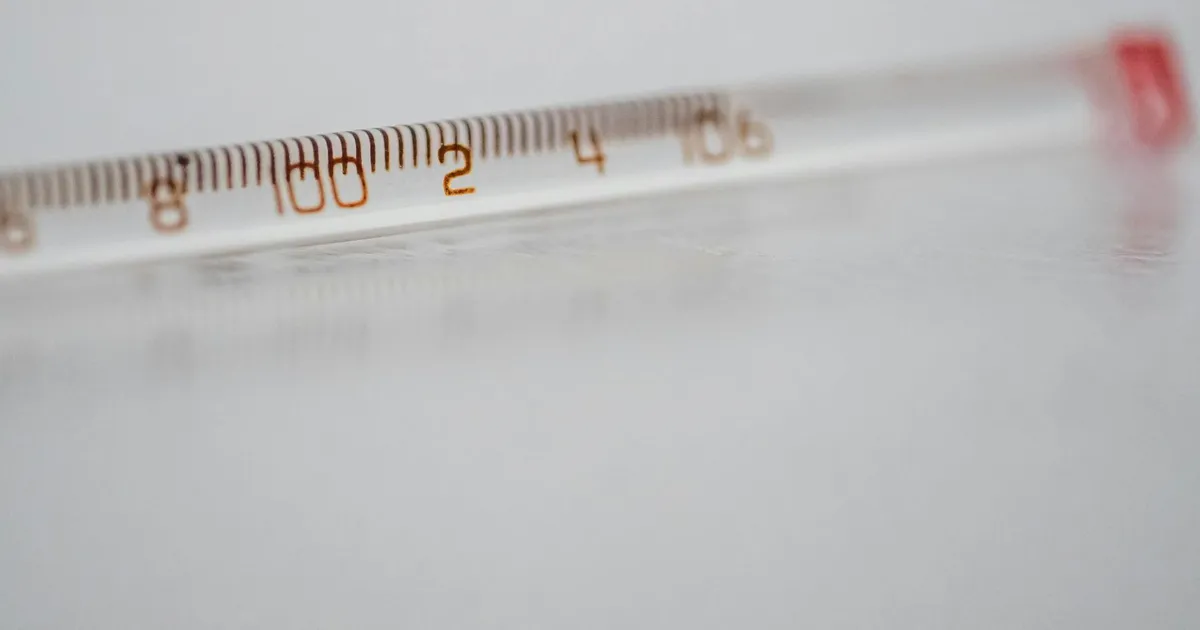
Photo by KitchenTemp via Pexels
Why Thermometer Calibration Is Non-Negotiable
A temperature log is only as accurate as the thermometer used to generate it. An uncalibrated probe thermometer that reads 3°F low means that every chicken you believe is at 165°F may actually be at 162°F. Every burger you log as 160°F may be 157°F. The food safety margin you think you have is smaller — or nonexistent.
The FDA Food Code requires that thermometers used to measure food temperatures be accurate to ±2°F (1°C). This is an accuracy standard, not just a guideline. If your thermometer cannot meet this standard, the readings it produces are not legally defensible for compliance purposes — and more importantly, they may be allowing unsafe food to reach customers.
Calibration is the process of verifying and adjusting a thermometer's accuracy against a known reference point. Every commercial kitchen must have a calibration protocol, and every calibration event must be documented.
The Two Standard Calibration Methods
Ice Point Method (Cold Calibration)
The ice point method uses the freezing point of water — 32°F (0°C) — as the reference:
Procedure:
- Fill a container with crushed ice (not cubed — crushed maximizes ice-water contact and minimizes air gaps).
- Add enough cold water to create a slurry that is approximately 50% ice and 50% water.
- Insert the probe into the center of the ice slurry, ensuring the sensing tip is fully immersed and not touching the sides or bottom of the container.
- Wait 30 seconds for the reading to stabilize.
- The thermometer should read 32°F (0°C) (±2°F tolerance means 30–34°F is acceptable).
- If the reading is outside this range, adjust per the manufacturer's instructions (typically a calibration nut on the stem of a bimetallic thermometer, or a reset button on a digital model).
- Record the initial reading, adjustment made (if any), and final reading.
The ice point method is preferred for most food service applications because it directly tests the temperature range relevant to cold holding (41°F / 5°C) compliance.
Boiling Point Method (Hot Calibration)
The boiling point method uses the boiling point of water as the reference. At sea level, water boils at 212°F (100°C). However, boiling point decreases with altitude — approximately 1°F per 540 feet of elevation. At 5,000 feet (Denver, Colorado), water boils at approximately 203°F (95°C).
Procedure:
- Bring a pot of water to a full, rolling boil.
- Insert the probe into the center of the boiling water, away from the sides and bottom.
- Wait for the reading to stabilize (30–45 seconds).
- Compare to the expected boiling point for your altitude.
- Adjust if outside ±2°F.
The boiling point method verifies accuracy in the high-temperature cooking range. Many operations use both methods — ice point for cold calibration and boiling point for hot calibration — especially when thermometers are used across the full temperature range from cold holding to cooking.

Calibration Frequency Requirements
The FDA Food Code does not specify a mandatory calibration frequency. However, it does require that thermometers be accurate to ±2°F, and it requires documentation of accuracy. Most HACCP programs and health departments expect calibration records that demonstrate ongoing compliance.
Industry standard calibration schedule:
| Situation | Recommended Calibration | |-----------|------------------------| | Daily use (line thermometers) | At the start of each shift | | Weekly use (receiving thermometer) | Before each use | | New thermometer | Before first use | | After a drop or physical impact | Immediately after incident | | After extreme temperature exposure | Immediately after incident | | When readings are suspected inaccurate | Immediately upon suspicion | | Minimum for any thermometer in service | Weekly |
For operations with active HACCP plans, daily calibration at shift start is the gold standard. The calibration check takes under 60 seconds once the ice slurry is prepared, and the documentation takes another 30 seconds. The time cost is trivial relative to the compliance and liability exposure of an uncalibrated thermometer.
Types of Adjustable Thermometers
Bimetallic Stem Thermometer
The traditional dial-face probe thermometer. Calibrated via a calibration nut on the back of the dial head, turned with pliers or a calibration wrench while the probe is in the ice slurry.
- Advantages: durable, no battery required, inexpensive
- Disadvantages: slower response time (typically 30–60 seconds), sensing zone covers the bottom 2–3 inches of probe (not just the tip), less accurate than digital models
Digital Instant-Read Thermometer
Battery-powered digital display. Most models calibrate via a reset button while in the reference medium.
- Advantages: fast response (5–10 seconds), accurate to the probe tip, easy to read
- Disadvantages: battery-dependent, more expensive, some models are not user-calibratable (require factory service)
Thermocouple Thermometer
Commercial-grade digital thermometer with interchangeable probes. Used in HACCP-critical applications where highest accuracy is required.
- Advantages: fastest response (2–3 seconds), highly accurate, multiple probe types available
- Disadvantages: high cost, calibration typically requires factory service or a certified reference thermometer
Non-Adjustable Thermometers: What to Do
Some digital thermometers cannot be field-calibrated. If your thermometer falls outside the ±2°F accuracy standard and has no calibration adjustment:
- Take it out of service immediately.
- Replace it with a calibrated thermometer.
- Do not attempt to add a manual offset to readings — this creates a documentation problem and is not compliant with FDA standards.
Building a Calibration Log
Your calibration log is a legal document. Health inspectors will request it. It must contain:
- Date and time of calibration
- Thermometer identifier (assign a number or label to each thermometer)
- Calibration method used (ice point / boiling point)
- Initial reading before adjustment
- Adjustment made (if any)
- Final reading after adjustment
- Employee performing calibration
- Pass/fail determination
Calibration log example:
| Date | Therm ID | Method | Initial Read | Adjusted | Final Read | Employee | Pass/Fail | |------|----------|--------|-------------|---------|------------|----------|-----------| | 2026-03-26 | TH-01 | Ice point | 33°F | None | 33°F | J. Smith | Pass | | 2026-03-26 | TH-02 | Ice point | 36°F | Yes | 32°F | J. Smith | Pass | | 2026-03-26 | TH-03 | Ice point | 27°F | Yes | 32°F | J. Smith | Pass |

What to Do With Readings Taken by an Uncalibrated Thermometer
If you discover that a thermometer has been out of calibration, all temperature logs produced by that thermometer during the period it was out of calibration are suspect. You cannot retroactively validate those readings. Best practice:
- Document the discovery: when you noticed the issue, what the calibration reading was, and how long the thermometer may have been out of calibration.
- Review any food currently in service that was verified using only that thermometer. If the safety margin is questionable, discard.
- Flag the records in your compliance system with a note about the calibration issue and corrective action taken.
- Review your calibration schedule to prevent recurrence.
How KitchenTemp Helps
KitchenTemp includes a dedicated thermometer calibration log module. Each thermometer in your kitchen gets a named profile, and the app prompts calibration checks at your configured schedule — daily at shift start, or on whatever cadence your HACCP plan requires. Calibration records are stored alongside your temperature logs, so your inspector sees the full chain of evidence: calibrated thermometer, temperature check, compliant reading. Start your free trial at KitchenTemp and make thermometer calibration a 60-second habit instead of a documentation gap.