Safe Chicken Cooking Temperatures: What Every Restaurant Must Know
FDA-required internal temp for chicken is 165°F (74°C). Learn why, how to verify it, and how to build a compliant kitchen logging system.
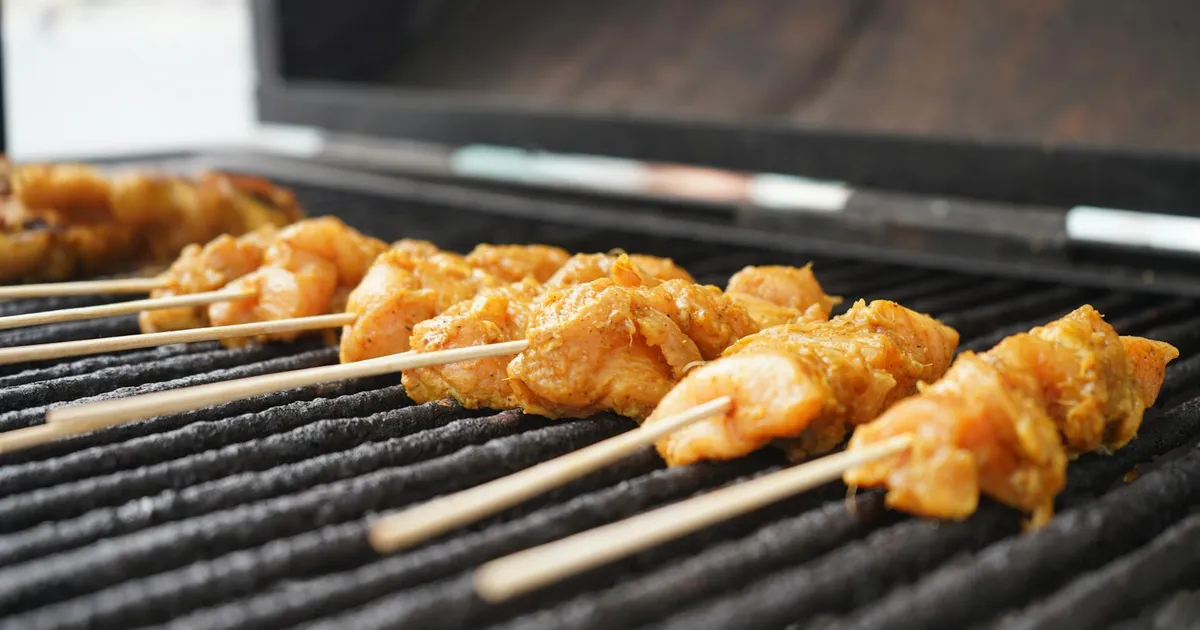
Photo by KitchenTemp via Pexels
The FDA Minimum Safe Temperature for Chicken
Every piece of chicken served in your restaurant must reach an internal temperature of 165°F (74°C), held for a minimum of 15 seconds. This applies without exception to all forms of poultry: whole birds, boneless breasts, thighs, wings, ground chicken, stuffed chicken, and any dish containing chicken as an ingredient.
This is not an arbitrary number. At 165°F (74°C), pathogens including Salmonella, Campylobacter, and Clostridium perfringens — the most common culprits in poultry-related foodborne illness — are destroyed instantly. Below that temperature, even a few seconds of under-cooking leaves a margin of risk.
The FDA Food Code makes this a strict requirement. Health inspectors will cite you for undercooked poultry, and a foodborne illness outbreak traced back to chicken can carry liability that far exceeds the cost of any compliance program.
Why Color and Texture Are Unreliable
A persistent myth in kitchens is that chicken is safe when the juices run clear or the meat turns white. This is demonstrably false. Research by the USDA has found that chicken can reach proper color cues before hitting 165°F (74°C) — and conversely, some chicken may appear pink even when fully cooked due to the myoglobin reaction in younger birds.
The only reliable method is a calibrated probe thermometer. There is no visual shortcut.

Where to Insert the Thermometer
Placement matters. For an accurate reading:
- Boneless breasts and thighs: Insert the probe into the thickest part, avoiding contact with bone. Bone conducts heat differently and will give a falsely high reading.
- Whole birds: Check the innermost part of the thigh and the thickest part of the breast. The thigh takes longer to cook and is the limiting factor.
- Ground chicken: Insert the probe into the center of the patty or the thickest part of any formed item.
- Stuffed chicken: The stuffing itself must also reach 165°F (74°C) — not just the surrounding meat. Check the stuffing separately.
Temperature Reference Table
| Chicken Cut | Minimum Internal Temp | Hold Time | |-------------|----------------------|-----------| | Whole bird (all parts) | 165°F (74°C) | 15 seconds | | Boneless breast | 165°F (74°C) | 15 seconds | | Thighs and drumsticks | 165°F (74°C) | 15 seconds | | Wings | 165°F (74°C) | 15 seconds | | Ground chicken | 165°F (74°C) | 15 seconds | | Stuffed chicken (stuffing) | 165°F (74°C) | 15 seconds | | Previously cooked / reheated | 165°F (74°C) | 15 seconds |
Note: While some cooking guides suggest higher temperatures (170–180°F) for juicier results, 165°F (74°C) is the regulatory floor. You may cook above it; you cannot serve below it.
Common Mistakes That Lead to Undercooking
Crowding the Pan or Grill
When chicken pieces are packed tightly, heat transfer is uneven. The outside may char while the center is still below safe temperature. Leave adequate space between pieces and use a thermometer on every batch, not just a representative sample.
Cooking From Frozen Without Thawing
Frozen chicken placed directly into a hot pan cooks unevenly. The exterior overcooks while the interior may remain partially frozen. Always thaw chicken properly — in the refrigerator below 41°F (5°C), under cold running water (with appropriate monitoring), or in the microwave immediately before cooking.
Relying on Time Estimates Alone
Recipe times are guides, not guarantees. Thickness variation, equipment calibration drift, and pan temperature fluctuations all affect actual cooking time. A line cook timing a chicken breast to the minute without measuring internal temperature is one equipment quirk away from a violation.
Not Accounting for Carryover Cooking
Chicken pulled from heat at exactly 165°F (74°C) may continue rising a few degrees during rest. This works in your favor — but pulling chicken at 160°F (71°C) expecting carryover to close the gap is a compliance risk. Always verify final temperature after any rest period if you are measuring early.
Hot Holding After Cooking
Once chicken is cooked to 165°F (74°C), it must be held at 135°F (57°C) or above until served. This is the hot holding requirement — separate from the cooking temperature. If cooked chicken sits on a steam table or under a heat lamp, it must maintain that floor temperature.
Check hot-held chicken every 30 minutes. If a reading falls below 135°F (57°C), you have two hours to bring it back up to 165°F (74°C). If it has been below 135°F (57°C) for more than two hours, it must be discarded.
Building a Temperature Log for Chicken
A compliant kitchen keeps a record of every temperature check. At minimum, your chicken temperature log should capture:
- Date and time of the check
- The dish or item checked
- Thermometer reading (°F and °C)
- Employee name
- Corrective action taken (if any)
- Supervisor sign-off
Paper logs are accepted by health departments, but they are prone to back-filling and offer no real-time alerts. A digital system that timestamps entries and flags out-of-range readings gives you both compliance and operational safety.
How KitchenTemp Helps
KitchenTemp lets your line staff log chicken temperatures directly from a mobile device. Every entry is timestamped, geo-tagged to the station, and automatically flagged if it falls below 165°F (74°C) — triggering an instant corrective action prompt. Your compliance record is always current, searchable, and ready for any health inspection. Start your free trial at KitchenTemp and eliminate temperature guesswork from your kitchen.