Safe Fish and Seafood Cooking Temperatures for Restaurants
Fish and seafood must reach 145°F (63°C) internal temperature. This guide covers every seafood type, parasite concerns, and FDA compliance requirements.
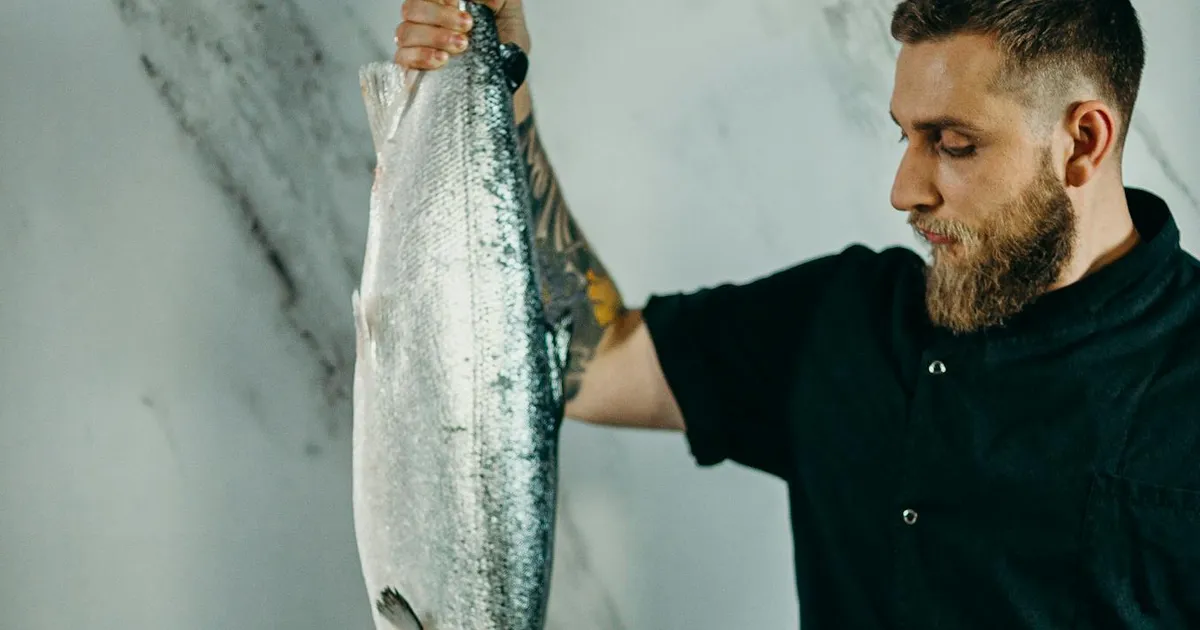
Photo by KitchenTemp via Pexels
FDA Minimum Safe Temperature for Fish and Seafood
All fish and seafood cooked in a commercial kitchen must reach an internal temperature of 145°F (63°C), held for 15 seconds. This applies to finfish (salmon, tuna, cod, halibut, tilapia), shellfish (shrimp, lobster, crab), and mollusks (scallops). Bivalves — oysters, clams, mussels — have specific requirements we will cover separately.
At 145°F (63°C), the primary bacterial pathogens associated with seafood (Vibrio vulnificus, Vibrio parahaemolyticus, Listeria monocytogenes) and most parasites are destroyed. Below this temperature, the risk profile varies by species, source water, and handling history.
The 145°F minimum applies to cooked seafood. Raw preparations — sushi, ceviche, crudo, oysters on the half shell — are governed by different FDA rules centered on parasite destruction through freezing. That is a separate compliance area outside the scope of this guide.
Temperature Reference Table by Seafood Type
| Seafood | Minimum Internal Temp | Visual Indicators (Secondary) | |---------|----------------------|------------------------------| | Finfish (salmon, cod, tuna) | 145°F (63°C) | Flesh flakes easily, opaque | | Shrimp | 145°F (63°C) | Pink, curled into C-shape | | Lobster (tail meat) | 145°F (63°C) | White and opaque | | Crab (all species) | 145°F (63°C) | Shell turns red, flesh opaque | | Scallops | 145°F (63°C) | Milky white, firm throughout | | Oysters, clams, mussels (cooked) | 145°F (63°C) | Shells open; discard any that do not | | Stuffed fish / seafood | 165°F (74°C) | Stuffing interior must also reach temp |
Note: Visual indicators are helpful but not reliable as a sole measure. Always confirm with a probe thermometer when compliance is required.
Parasite Destruction and the Freezing Rule
For fish served raw or undercooked (sushi, poke, ceviche, tartare), the FDA requires parasite destruction through freezing rather than heat. The standard is:
- -4°F (-20°C) for 7 days, or
- -31°F (-35°C) for 15 hours
This is why sushi-grade fish from reputable distributors comes with documentation of its freezing history. If you are serving any fish below 145°F (63°C), you need to verify your supplier's parasite destruction records — or you need your own blast freezer protocol documented in your HACCP plan.
Species that are exempt from the freezing requirement (naturally parasite-free) include tuna (bluefin, yellowfin, bigeye, albacore, and skipjack) and certain farm-raised species grown in parasite-controlled environments with supplier documentation. Do not assume exemption without written verification from your supplier.
Measuring Temperature in Fish: Probe Placement
Fish presents placement challenges because fillets are thin and irregular:
- Insert the probe into the thickest part of the fillet, avoiding bones and skin (both conduct heat differently from muscle tissue).
- For a whole fish, probe the thickest part of the flesh near the dorsal fin, not the belly cavity.
- For shrimp and scallops, probe the largest piece in the batch — it will be the last to reach temperature.
- For shellfish in sauce (shrimp scampi, clams in white wine), bring the liquid to a boil and ensure the proteins are opaque and firm before serving.
Receiving and Storing Seafood: Temperature Matters Before Cooking
Seafood temperature compliance begins at delivery:
- Fresh fish: Must arrive at 41°F (5°C) or below. Live shellfish and shucked shellfish have different tolerances — check your local health code.
- Frozen seafood: Must arrive solidly frozen with no signs of thawing (ice crystals present, no flex in the product).
- Reject any fresh fish that smells excessively ammonia-like or shows signs of temperature abuse (soft flesh, dull eyes on whole fish).
Storage temperature for fresh seafood: 41°F (5°C) or below, typically on ice or in a dedicated seafood refrigeration unit held slightly colder than your standard walk-in.
Never store raw seafood above ready-to-eat foods in the refrigerator. Shell-on shrimp, whole fish, and shellfish should all be stored on the bottom shelf, properly covered, with drip protection for products below them.
High-Volume Service: Managing Multiple Seafood Products
A seafood-heavy menu creates temperature compliance complexity. Best practices for busy service:
- Use thermometers appropriate to the product. A thin-probe thermometer (1.5mm or narrower) is essential for fish fillets — a thick probe gives imprecise readings in thin product.
- Check the first plate of every batch when cooking changes (new pan, new grill setting, fresh batch from cold storage).
- Log shellfish separately from finfish if your HACCP plan designates them as separate CCPs.
- Flag any product from new or unfamiliar suppliers for extra checks until you establish baseline time-temperature parameters on your equipment.

Bivalve Shellfish: Additional Compliance Requirements
Oysters, clams, mussels, and scallops have requirements beyond the cooking temperature:
- Shellstock tags must be retained for 90 days after the last shellfish from a container is sold. This is a regulatory requirement in most jurisdictions, enforced separately from temperature.
- Bivalves must come from licensed, certified shellfish shippers listed in the Interstate Certified Shellfish Shippers List (ICSSL). Verify your supplier annually.
- For raw on-the-half-shell service, your health department may require a consumer advisory posted on your menu.
Corrective Action When Seafood Fails Temperature
If a seafood item reads below 145°F (63°C):
- Return to heat immediately.
- Do not plate or send to the table.
- Re-check temperature after additional cooking.
- Log the initial reading, corrective action, and final temperature.
- If the item cannot safely reach temperature (it is drying out, texture is compromised), discard and note in the log.
How KitchenTemp Helps
KitchenTemp supports separate temperature profiles for different seafood types, so your team can log a salmon fillet and a shrimp dish against the same 145°F (63°C) threshold without confusion. Out-of-range readings trigger instant corrective action prompts, and your shellstock tag tracking can be integrated directly into the compliance record. Sign up at KitchenTemp and manage all seafood compliance from one dashboard.