Safe Turkey Temperature: 165°F Throughout — Breast, Thigh, and Stuffing
Turkey must reach 165°F (74°C) in the thigh, breast, and stuffing. This guide covers probe placement, stuffed vs. unstuffed, and commercial kitchen compliance.
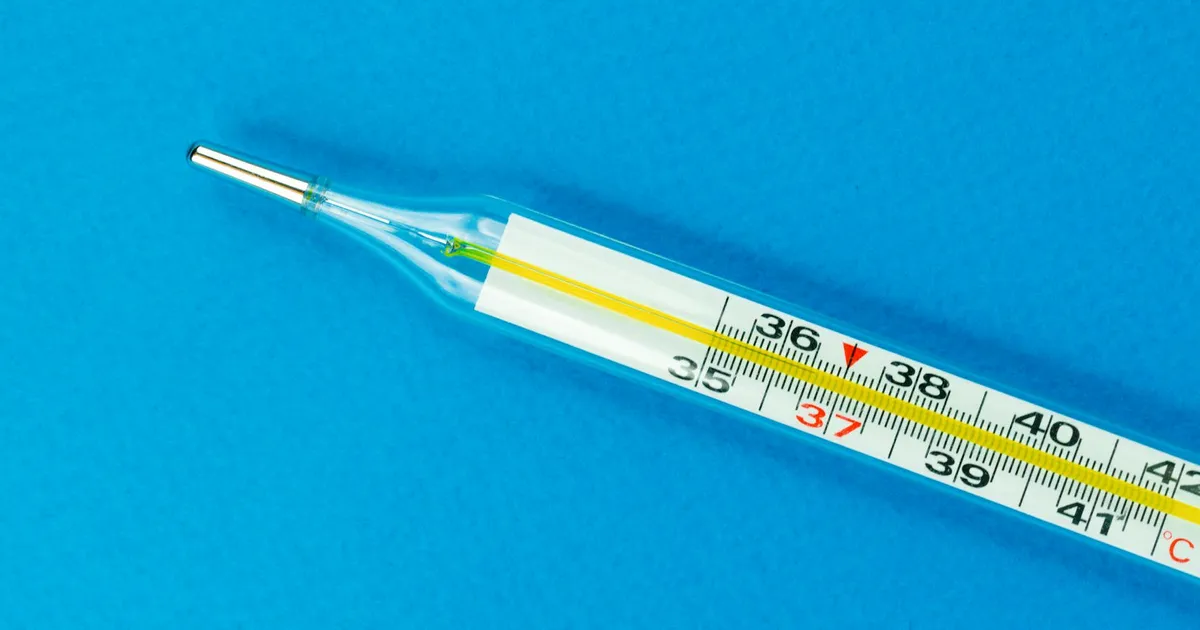
Photo by KitchenTemp via Pexels
The USDA/FDA Safe Temperature for Turkey
Every part of a whole turkey — breast, thigh, wing, and any stuffing — must reach an internal temperature of 165°F (74°C), held for a minimum of 15 seconds. This is a non-negotiable food safety standard that applies to all forms of turkey in commercial foodservice: whole birds, turkey breasts, ground turkey, turkey parts, and turkey-containing dishes.
Turkey is one of the highest-risk proteins for Salmonella and Campylobacter contamination. According to USDA research, a significant percentage of raw turkey in the commercial supply tests positive for Salmonella — meaning that every turkey your kitchen receives should be handled as though it is contaminated, and proper cooking temperature is the only reliable control that eliminates the pathogen.
The 165°F (74°C) standard applies regardless of whether the turkey is fresh, frozen-then-thawed, brined, or pre-basted. None of these preparation methods changes the safe cooking temperature requirement.
Why the Thigh Is the Critical Measurement Point
Turkey breast and thigh do not cook at the same rate. The breast, exposed directly to oven heat, reaches higher temperatures faster. The inner thigh — a large, dense muscle mass close to the bone — takes significantly longer to reach safe temperature and is the last part of the bird to reach 165°F (74°C).
In commercial cooking compliance, the thigh is the critical measurement point for whole turkeys. If the thigh reads 165°F (74°C), the breast (which reached that temperature earlier) is also safe. The reverse is not true: a breast reading of 165°F (74°C) does not guarantee the thigh has reached temperature.
Where to probe the thigh: Insert the thermometer into the thickest part of the thigh, directed toward the body cavity, avoiding contact with bone. The sensing tip should be in the densest part of the muscle, not touching the bone or the body cavity.
Secondary check: After verifying thigh temperature, also check the breast (thickest part, no bone contact) and the innermost wing joint. For large birds (20+ pounds), add a third check at the deepest part of the breast.
Stuffed Turkey: An Additional Complication
Stuffed turkey is one of the most dangerous preparations in food service. The stuffing sits in the body cavity, surrounded by uncooked meat that releases juices throughout cooking. Those juices contain Salmonella and other pathogens. The stuffing must reach 165°F (74°C) on its own — not just the surrounding meat.
Because stuffing is moist and dense, it heats more slowly than meat. A stuffed turkey where the thigh reads 165°F (74°C) may still have stuffing at 140–150°F (60–66°C) in the center of the cavity. Always verify stuffing temperature separately.
Where to probe stuffing: Insert the probe into the geometric center of the stuffing mass inside the body cavity. This is the farthest point from the heat source and will be the last area to reach temperature.
The practical recommendation for high-volume commercial operations: cook stuffing separately. Cooking stuffing outside the bird eliminates the time-temperature mismatch, allows more consistent quality, and simplifies compliance verification. Stuffing cooked in a hotel pan in the oven to 165°F (74°C) is safer and easier to verify than stuffing inside a whole bird.
Temperature Reference Table
| Turkey Component | Minimum Internal Temp | Hold Time | |-----------------|----------------------|-----------| | Whole turkey — thigh (checking point) | 165°F (74°C) | 15 seconds | | Whole turkey — breast | 165°F (74°C) | 15 seconds | | Whole turkey — wing joint | 165°F (74°C) | 15 seconds | | Stuffing (inside bird) | 165°F (74°C) | 15 seconds | | Stuffing (cooked separately) | 165°F (74°C) | 15 seconds | | Turkey breast (bone-in) | 165°F (74°C) | 15 seconds | | Turkey breast (boneless) | 165°F (74°C) | 15 seconds | | Ground turkey (patties, loaf) | 165°F (74°C) | 15 seconds | | Turkey parts (thighs, drumsticks) | 165°F (74°C) | 15 seconds | | Pre-cooked turkey (reheating) | 165°F (74°C) | Within 2 hours |
Thawing Turkey Safely: The Temperature Risks Begin Before Cooking
Commercial kitchens cannot thaw turkey on the counter. Three approved methods:
Refrigerator thawing: The safest method. Allow approximately 24 hours per 5 pounds of turkey. A 20-pound turkey takes 4 days. The turkey must be held at 41°F (5°C) or below throughout thawing.
Cold water thawing: Submerge the turkey (in its original leak-proof packaging or a leak-proof bag) in cold water. Change the water every 30 minutes. Allow approximately 30 minutes per pound. A 20-pound turkey takes 10 hours. This method requires continuous monitoring and is labor-intensive for commercial operations.
Microwave thawing: Only acceptable if the turkey will be cooked immediately after thawing. Not practical for whole birds in most commercial kitchens.
Never thaw at room temperature. A large turkey left on a counter begins defrosting from the outside in — the exterior enters the danger zone while the interior is still frozen, creating a perfect environment for bacterial growth on the meat that will be served.

Cooking Large Turkeys: Time and Temperature Management
Large turkeys (16+ pounds) require planning in commercial kitchens because of the time required to reach safe temperature. Key considerations:
Oven Temperature
Most food safety guidance recommends roasting turkey at 325°F (163°C) oven temperature. Lower temperatures (below 300°F) extend cook times significantly and keep the bird in the danger zone longer. Higher temperatures (above 375°F) can char the exterior before the interior reaches temperature.
Do not start a turkey at high heat to "brown it" and then reduce — this can give a false sense of cooking progress when the interior is still far from 165°F.
Estimating Cook Time
These are guidelines, not guarantees. Always verify with a thermometer:
| Turkey Weight | Approximate Unstuffed Time at 325°F | Approximate Stuffed Time at 325°F | |--------------|-------------------------------------|----------------------------------| | 8–12 lbs | 2.75–3 hours | 3–3.5 hours | | 12–14 lbs | 3–3.75 hours | 3.5–4 hours | | 14–18 lbs | 3.75–4.25 hours | 4–4.25 hours | | 18–20 lbs | 4.25–4.5 hours | 4.25–4.75 hours | | 20–24 lbs | 4.5–5 hours | 4.75–5.25 hours |
These times assume the turkey starts fully thawed and refrigerator-cold (not room temperature). A turkey removed from the walk-in and placed immediately in the oven may take 15–30 minutes longer than estimated.
Resting After Cooking
Unlike pork, turkey does not have a mandatory rest-time standard for food safety purposes (it must reach 165°F, and at that temperature pathogens are destroyed immediately). However, a 15–20 minute rest improves quality. During this rest, temperature may rise a few more degrees (carryover cooking). Verify final temperature after the rest period for your compliance log.
Hot Holding Cooked Turkey
Cooked turkey held for service must be maintained at 135°F (57°C) or above. Sliced turkey loses temperature faster than whole birds — verify holding temperature every 30 minutes for carved turkey on a steam table.
If carved turkey drops below 135°F (57°C), you have two hours to reheat it to 165°F (74°C) using an oven or stovetop (not a steam table). After two hours below 135°F (57°C), discard.
Documenting Turkey Temperature Compliance
Turkey temperature logs should record:
- Date and meal period
- Turkey size (lbs) and preparation method (stuffed/unstuffed)
- Start and finish cooking time
- Thigh temperature at completion
- Stuffing temperature (if applicable)
- Breast temperature (secondary check)
- Resting period and post-rest temperatures
- Employee performing checks
- Corrective action if any reading was below 165°F (74°C)
For high-volume turkey service (Thanksgiving service, hotel banquets), consider multiple simultaneous logs for multiple birds and verify that each bird has its own temperature record.
How KitchenTemp Helps
KitchenTemp supports multi-point temperature logging for whole birds — log thigh, breast, and stuffing in a single log entry with a single timestamp. For large catering events with multiple turkeys cooking simultaneously, each bird gets a separate compliance record. Out-of-range readings trigger immediate corrective action prompts, and your entire turkey service history is archived and searchable. Get started at KitchenTemp and handle turkey service with confidence.