School Cafeteria Temperature Logs: USDA Requirements and Best Practices
Complete guide to temperature logging requirements for school cafeterias. USDA NSLP compliance, HACCP requirements, and how to protect the students you serve.
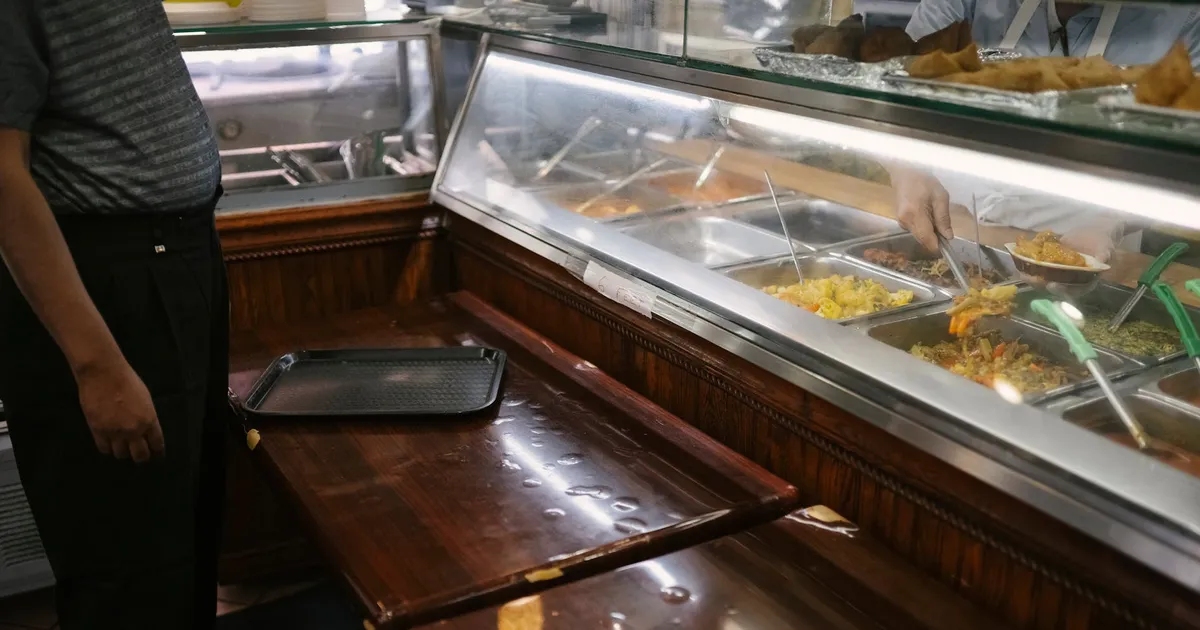
Photo by KitchenTemp via Pexels
School Food Safety: A Higher Standard
Schools serve a population that is inherently more vulnerable to foodborne illness than the general public: children, whose immune systems are still developing, eat five days per week in a school cafeteria setting. A foodborne illness outbreak in a school is not just a public health event — it is a community crisis that affects students, families, and the institution itself.
For this reason, food safety requirements for schools participating in USDA nutrition programs are more rigorous than those for typical food service establishments. The requirements include mandatory HACCP implementation, specific documentation standards, and regular administrative reviews.
This guide covers what school nutrition directors and cafeteria managers need to know about temperature logging and food safety compliance under the USDA school nutrition programs.
USDA School Nutrition Program Requirements
Who Is Subject to These Requirements
All schools participating in any USDA Child Nutrition Program are subject to the food safety requirements, including:
- National School Lunch Program (NSLP)
- School Breakfast Program (SBP)
- Special Milk Program
- Child and Adult Care Food Program (CACFP) — for childcare settings
The food safety requirements apply to all meals served under these programs, regardless of whether the meals are prepared on-site or delivered by a contracted food service management company.
The Mandatory HACCP Requirement
Since 2005, schools participating in USDA nutrition programs have been required by law (the Child Nutrition and WIC Reauthorization Act of 2004) to implement a food safety program based on HACCP principles. This is not optional. Every school with a food service operation must have:
- A written food safety plan (HACCP plan or equivalent) approved by the local health authority or state agency
- Implementation of the plan in daily operations
- Documentation of monitoring activities (including temperature logs)
- A designated food safety contact who is responsible for plan oversight
The USDA provides technical assistance and resources to help schools meet this requirement, but the legal obligation rests with the school district.
Required Documentation
USDA regulations require that documentation be maintained for a minimum of one year. Documentation typically includes:
- Temperature logs for receiving, storage, cooking, hot holding, cold holding, and cooling
- Corrective action records for any out-of-range readings
- Sanitation logs
- Employee training records (including food handler and food safety manager certifications)
- Equipment maintenance and calibration records
State agencies that administer the NSLP conduct administrative reviews of schools every 3–5 years, which include verification of food safety documentation.
Temperature Requirements for School Cafeterias
The temperature requirements for school cafeterias follow FDA Food Code standards, with some state variations. Key parameters:
Cooking Temperatures
| Food | Minimum Internal Temperature | |------|------------------------------| | Poultry (chicken, turkey, stuffed dishes) | 165°F | | Ground beef, pork | 155°F | | Whole cuts of beef, pork, lamb | 145°F | | Fish and seafood | 145°F | | Eggs (cooked for service) | 145°F | | All reheated leftovers | 165°F within 2 hours |
Schools should log the internal temperature of every batch of protein cooked, using a calibrated probe thermometer. Do not rely on equipment temperature settings alone — probe readings verify actual food temperature.
Holding Temperatures
- Hot holding: All hot food must be held at 135°F or above during service
- Cold holding: All cold food must be held at 41°F or below during service
In a school cafeteria, hot service typically runs 1–1.5 hours. For that service window, hot-holding equipment temperatures should be checked at start, midpoint, and end of service.
Receiving Temperatures
All TCS food must arrive at the correct temperature. For most deliveries:
- Refrigerated food: 41°F or below
- Frozen food: frozen solid with no signs of thawing
- Hot delivered food (if applicable): 135°F or above
Log receiving temperatures for every delivery of TCS food. Reject deliveries that do not meet temperature requirements — do not accept borderline deliveries and "hope for the best."
The HACCP Plan for School Cafeterias
Required Elements
A school HACCP plan must include:
- Hazard analysis for each recipe or food category
- Critical Control Points (CCPs) identified in the food flow
- Critical limits for each CCP (e.g., "chicken must reach 165°F")
- Monitoring procedures (who, what, when, how)
- Corrective action procedures for each CCP
- Verification procedures (how you confirm the system is working)
- Record-keeping system (where documentation is stored)
The USDA and National Food Service Management Institute (NFSMI) provide HACCP plan templates specifically designed for school nutrition operations. These are freely available and provide a practical starting point.
Standard Operating Procedures (SOPs)
In addition to the HACCP plan, schools are encouraged to develop written SOPs for key food safety practices:
- Handwashing
- Personal hygiene
- No bare-hand contact with ready-to-eat food
- Receiving and storage
- Cooking and serving temperatures
- Date marking and FIFO
- Cleaning and sanitizing
USDA provides model SOP templates through the Team Nutrition program that can be customized for any school operation.
Special Considerations for Schools
Allergen Management
Food allergies in school-aged children are a significant and growing challenge. Schools must:
- Maintain current knowledge of enrolled students with life-threatening food allergies
- Accommodate medically documented allergies with appropriate menu substitutions
- Prevent allergen cross-contact in preparation and service
- Train all food service staff on allergen awareness and the school's specific protocols
The FDA-required Big 9 allergens apply in school settings, but schools must also be familiar with any other allergies documented by student medical records, regardless of FDA labeling requirements.
Breakfast Service and Temperature

School breakfast programs present a specific challenge: high-volume, rapid service with minimal staff in the early morning hours. Food safety shortcuts are more likely during breakfast service than lunch service. Ensure breakfast service standards are explicitly included in your HACCP plan and that morning staff receive the same food safety training as the full cafeteria team.
Leftover and Recovery Procedures
Many schools participate in food donation programs that allow wholesome leftover food to be donated to food banks or community organizations. Any food donated through these programs must have been held at proper temperatures throughout service and must not have been at room temperature for more than a defined period.
Work with your local food bank and health department to establish clear guidelines for what food can be donated, temperature documentation requirements, and transport procedures. Do not donate food that cannot be verified as having been held at safe temperatures.
Staff Certification for School Food Service
Most states require at least one Certified Food Protection Manager in each school food service operation. Some states require the school nutrition director to hold this certification; others require it at the kitchen level.
The School Nutrition Association (SNA) offers the School Nutrition Specialist (SNS) credential, which includes food safety competencies, as an alternative or supplement to ServSafe or NRFSP certifications.
All food service staff should complete a food handler certification or equivalent orientation program. Annual refresher training is strongly encouraged given the population served.
How KitchenTemp Helps
School cafeteria temperature logging is not optional — it is a USDA-mandated compliance requirement. KitchenTemp makes that compliance achievable without adding administrative burden to already-stretched cafeteria staff.
The logging interface works on any device, takes seconds per entry, and automatically flags out-of-range readings with guided corrective actions. Managers and nutrition directors can review logs from any location without physically accessing paper binders.
When administrative reviews occur, produce a complete, organized record for any date range in seconds.
Start your free trial at KitchenTemp — and give your school nutrition program the documentation system it deserves.