Small Restaurant Food Safety Guide: Simple Systems That Actually Work
Small restaurants need food safety systems as much as chains—but with less budget and fewer staff. This practical guide covers what matters most and how to do it simply.
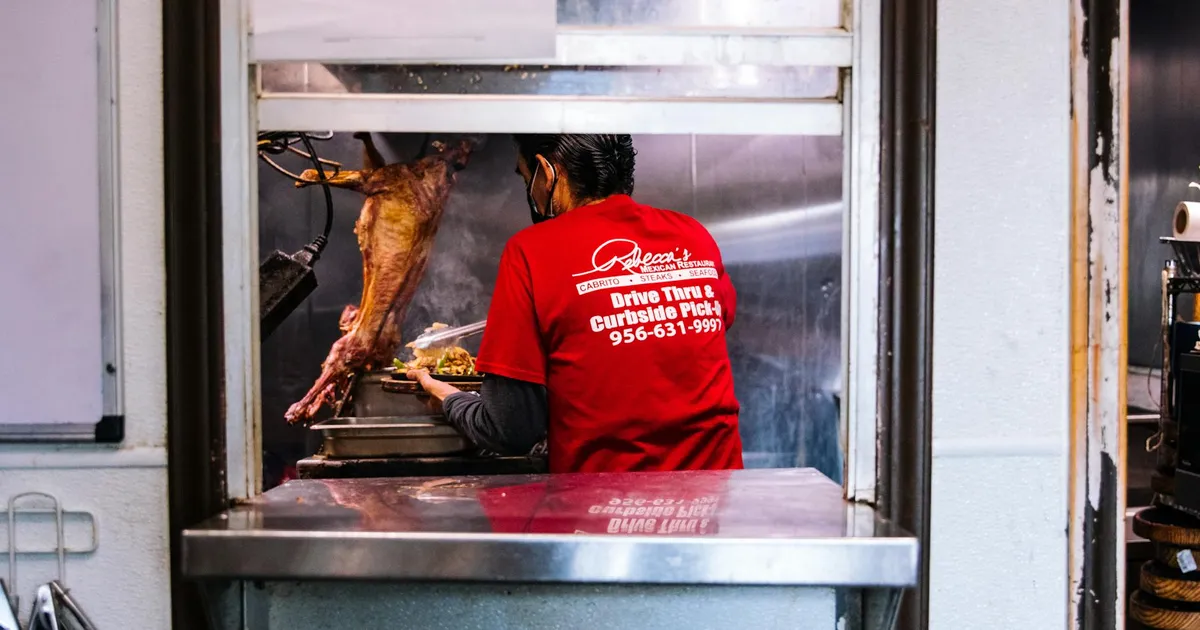
Photo by KitchenTemp via Pexels
Food Safety Is Not a Big-Restaurant Problem
There is a common misconception among small restaurant operators that food safety systems are something large chains need — that a 10-table neighborhood restaurant does not need HACCP plans and temperature logs. This misconception gets small restaurants into trouble.
The FDA Food Code applies to every food service establishment regardless of size. A health inspector at your 10-table cafe expects the same documentation and practices as at a 200-seat chain restaurant. The same laws, the same liability, the same risk.
What is different for small restaurants is the resource equation. You do not have a food safety manager on staff. You may be the cook, the owner, and the manager simultaneously. You need systems that are simple enough to actually use, affordable enough to actually afford, and reliable enough to actually protect you.
This guide is written for you.
The Five Things That Matter Most
Before going into detail, here is the honest prioritization for a small restaurant with limited time and budget:
- Temperature control: Cold food cold, hot food hot. This is 80% of food safety.
- Handwashing: Simple, free, and prevents more illness than any other single practice.
- Sick employee policy: One sick employee can cause a multi-customer outbreak.
- Cross-contamination prevention: Raw meat away from ready-to-eat food, always.
- Documentation: Logs that prove you did 1–4.
Everything else builds on this foundation. Get these five right and your food safety program is solid.
Temperature Control: What Small Restaurants Need to Know
Your Equipment
A small restaurant typically has some combination of:
- Walk-in cooler (if space allows)
- Reach-in refrigerator(s) — one or two
- Reach-in freezer
- Steam table or hot-holding unit
- Cooking equipment
Every one of these needs temperature monitoring. The scale is smaller than a large restaurant, but the requirement is the same.
Temperature Thresholds You Must Know
Write these on a card and tape it to every piece of cold equipment:
- Cold storage: 41°F or below, always
- Freezer: 0°F or below, always
- Hot holding: 135°F or above, always
- Cooked chicken: 165°F internal
- Cooked ground meat: 155°F internal
- Cooked whole muscle meat and seafood: 145°F internal
These are not suggestions. They are the legal requirements in every US jurisdiction.
Minimum Monitoring Frequency
For a small restaurant, the minimum viable temperature monitoring schedule:
| Equipment | Minimum Frequency | |-----------|------------------| | Walk-in/reach-in cooler | Beginning and end of each operating day | | Freezer | Once daily | | Hot-holding | At setup, then every 2 hours during service | | Cooking | Every batch |
This is four to eight readings per shift. At 15 seconds each with a digital app, that is under two minutes per day. There is no valid excuse for not doing it.
The Thermometer You Need
You need one properly calibrated probe thermometer. That is it. A quality digital probe thermometer runs $30–$60 at any restaurant supply store.
Calibrate it daily using the ice water bath method:
- Fill a cup with ice and cold water
- Insert the probe, wait 30 seconds
- Reading should be 32°F ± 2°F
- If not, adjust or replace
Write the calibration date and result in your log once per shift. This takes 30 seconds and is required by your health code.

Handwashing: The Free Food Safety Tool
Handwashing is the most effective food safety intervention available, and it costs nothing but time. Most small restaurant operators know handwashing is important. The challenge is making it a genuine habit, not a compliance checkbox.
When to Wash Hands
The FDA Food Code requires handwashing:
- Before starting food preparation
- Before putting on new gloves
- After handling raw meat, poultry, or seafood
- After touching face, hair, or neck
- After sneezing or coughing
- After using the restroom
- After handling garbage
- After handling money or a phone
In a small restaurant where one person may be doing all of these things in the same shift, handwashing frequency should be high. The 20-second rule: wet, soap, scrub every surface for at least 20 seconds, rinse, dry with single-use paper towel.
Handwashing Infrastructure
Your handwashing sink must be:
- Separate from food preparation and dishwashing sinks
- Stocked with liquid soap and paper towels at all times
- Accessible — not blocked by equipment or storage
This is one of the most commonly cited violations in small restaurants — handwashing soap or paper towels absent from the designated sink. Check it every time you open.
Sick Employee Policy: The Rule You Must Enforce
This is the hardest part of food safety for small restaurants. You are short-staffed. Your key employee calls in sick. You need them. But sending them home is not optional — it is the law, and it is the right thing to do.
The FDA Food Code requires that employees with the following symptoms be excluded from food handling:
- Vomiting
- Diarrhea
- Jaundice
And restricted from handling exposed food if they have:
- Sore throat with fever
- Infected skin lesion in contact with food
One norovirus-infected employee continuing to work through a service shift can expose dozens of customers to illness. The liability from that is catastrophically larger than the cost of being short-staffed for a shift.
Write a simple policy: "If you are vomiting, have diarrhea, or are jaundiced, do not come to work. Call me immediately. You will not be penalized for staying home when you are sick." This policy must be communicated at hire and reinforced regularly.
Cross-Contamination Prevention: Simple Rules
Cross-contamination — the transfer of harmful microorganisms from one food to another — is one of the leading causes of foodborne illness. In a small kitchen with limited space, the risk is real.
The Essential Rules
Raw over ready-to-eat: Store raw proteins (meat, poultry, seafood) below ready-to-eat foods in every refrigerator. Always. Raw chicken on the top shelf above a salad mix is a critical violation and a genuine hazard.
Storage order in refrigerators (top to bottom by cooking temperature):
- Ready-to-eat foods and produce (top)
- Seafood
- Whole cuts of beef and pork
- Ground meat and ground seafood
- Whole poultry (bottom)
Cutting board segregation: Use separate cutting boards for raw proteins and ready-to-eat foods. Color coding helps — red for raw meat, green for vegetables and produce. Do not rely on "I cleaned it between uses" — separate boards prevent the error entirely.
Hand washing after raw protein handling: After touching any raw meat, wash hands before touching anything else. This is not optional and cannot be substituted with glove use alone.
Documentation: What You Actually Need to Keep
Many small restaurant operators are overwhelmed by the idea of HACCP documentation. Here is the honest truth: you do not need a 50-page HACCP plan. You need to document the things your health inspector will ask for.
The Minimum Documentation Package
Temperature logs (required):
- Cold storage temperatures 2× daily
- Hot-holding temperatures every 2 hours during service
- Cooking temperatures for each batch
- Any corrective actions taken
Calibration log (required):
- Record each thermometer calibration: date, result, your initials
Corrective action records (required when relevant):
- What was out of range, when, what you did about it
Staff training records (recommended):
- Who was hired, when they completed food safety orientation, their signature
That is it. This does not need to be complicated. A small restaurant can maintain this documentation in a simple notebook — but a digital app is faster, more reliable, and more defensible.
How Long to Keep Records
Most jurisdictions require temperature records for a minimum of 90 days. Some require 1–2 years. Keep your logs. When the inspector asks for 30 days of records, you need to have them.
Getting Your Food Manager Certification
The FDA Food Code requires at least one Certified Food Protection Manager (CFPM) per food establishment. For most small restaurants, this means you — the owner or general manager.
Available certifications:
- ServSafe (National Restaurant Association): Most widely recognized, $100–$180, 5-year validity
- NRFSP: Alternative to ServSafe, similar cost and recognition
- Prometric: Online option, accepted in most jurisdictions
The certification exam covers food safety science, HACCP principles, and regulatory requirements. Most people pass after reviewing the study guide. It is not difficult, but it takes preparation.
Your CFPM certificate must be available on-site during inspections in most jurisdictions.
Health Inspection: What to Expect and How to Prepare
Health inspections for small restaurants are typically unannounced. In most jurisdictions, you will be inspected 1–3 times per year depending on your risk category and history.
What the Inspector Will Check
The inspection checklist varies by jurisdiction but consistently includes:
- Person in Charge: Is there a CFPM on duty or available?
- Employee health: Are employees following illness exclusion requirements?
- Handwashing: Are handwashing sinks stocked and accessible?
- Food temperatures: Are all cold and hot foods at required temperatures?
- Cooking temperatures: Can you demonstrate that food is cooked to required temps?
- Cross-contamination prevention: Is raw meat stored below ready-to-eat food?
- Temperature monitoring: Are you keeping temperature logs?
- Date marking: Are ready-to-eat TCS foods date-marked (7-day rule)?
- Cleaning and sanitizing: Are food contact surfaces being properly sanitized?
- Pest control: No evidence of pest activity?
The 7-Day Ready-to-Eat Rule
This is commonly missed in small restaurants: cooked or prepared ready-to-eat TCS food that is held for more than 24 hours must be date-marked. The date indicates the discard date — no more than 7 days from preparation (day of prep is Day 1).
A container of prepared chicken salad with no date label is a common violation. Label everything in your reach-in with the prep date and the use-by date.
When You Get a Violation
Getting a violation is not the end of the world. Most inspectors understand that small operations have limited resources. What matters is:
- Correct it immediately if possible: Minor violations corrected during the inspection are noted differently than ones left unresolved.
- Be respectful and engaged: Inspectors who feel they are working with an operator who cares about food safety generally treat marginal situations more favorably.
- Ask questions: If you do not understand why something is a violation, ask. Understanding the "why" helps you fix the root cause, not just the symptom.
- Document your corrective action: When you fix a violation, write down what you did and when. This shows the inspector at the follow-up that you took it seriously.
A Simple Week-by-Week Checklist for Small Restaurants
Daily
- Calibrate probe thermometer, log the result
- Log cold storage temperatures at open and close
- Log hot-holding temperatures at setup and every 2 hours during service
- Log cooking temperatures for each batch
- Check handwashing sinks are stocked
- Date-mark any new ready-to-eat items prepared today
Weekly
- Review 7-day date marks — discard anything past its use-by date
- Check door gaskets on all refrigeration units
- Clean condenser coils (wipe, not compressed air — compressed air quarterly)
- Review temperature logs for any out-of-range readings that need follow-up
Monthly
- Review all temperature log trends — any equipment running consistently warm?
- Verify staff food safety training records are current
- Check CFPM certification expiration date
- Review and update your HACCP/food safety plan if menu has changed
How KitchenTemp Helps Small Restaurants
KitchenTemp is designed for small restaurant operators who need simple, effective food safety documentation without complexity or high cost.
At $29/month, KitchenTemp replaces the clipboard and binder with a mobile app that logs each reading in under 15 seconds — automatically timestamped, attributed, and backed up to the cloud. When your inspector arrives, you generate a compliance report in one click. No searching through binders. No gaps to explain.
For a small restaurant operator wearing multiple hats, KitchenTemp's simplicity is its most important feature. Set up in 5 minutes, log a reading in 15 seconds, print a report in 60 seconds. That is the entire workflow.
Start your free 14-day trial at KitchenTemp. No credit card required. Built for exactly the restaurant you are running.