Temperature Sensor Technology for Restaurants: IoT, Wireless, and Manual Options
Compare IoT wireless sensors vs. manual temperature monitoring for restaurants. Costs, use cases, and when the technology investment makes sense.
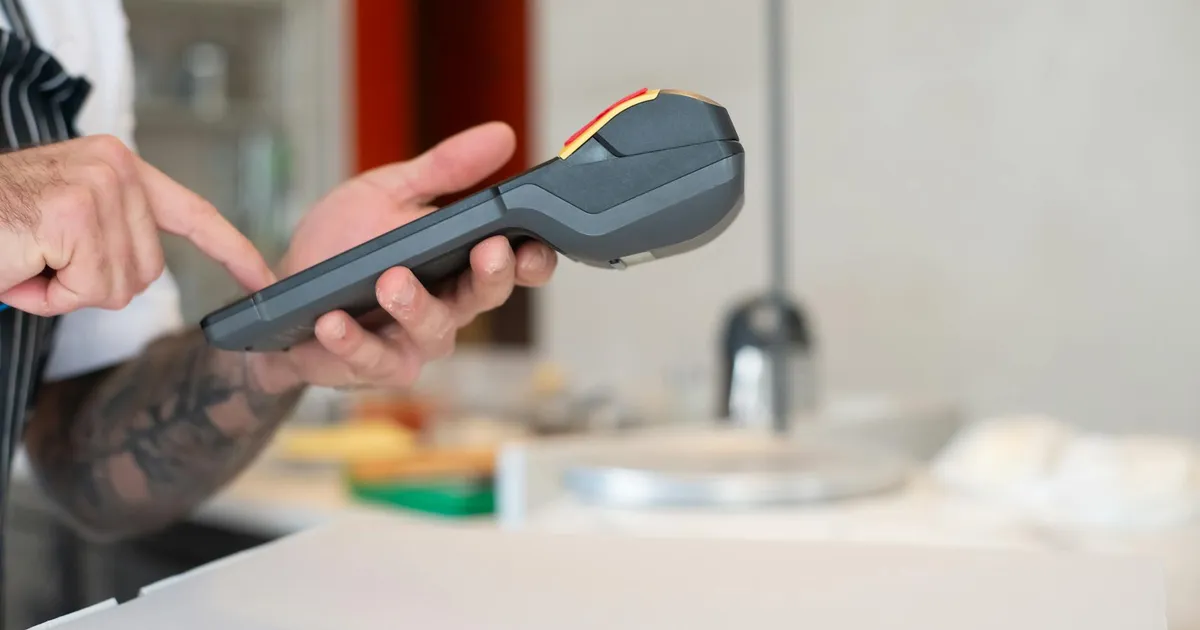
Photo by KitchenTemp via Pexels
The Technology Landscape for Restaurant Temperature Monitoring
Temperature monitoring technology for food service has evolved significantly. A decade ago, your options were a wall-mounted thermometer and a paper log. Today, the options range from smartphone apps to IoT wireless sensor networks that log temperatures every 15 minutes without any staff involvement.
More technology is not always better. The right monitoring approach depends on your operation's size, risk profile, budget, and what you are actually trying to achieve. This guide explains the current technology landscape, what each option costs, and when the investment in automated sensors makes business sense.
Manual Monitoring: The Foundation
Manual monitoring — a staff member takes a reading with a probe or infrared thermometer and logs it — remains the appropriate baseline for most restaurants. Here is why:
What Manual Monitoring Does Well
Probe accuracy: A properly calibrated food probe thermometer measuring internal product temperature is more accurate than a wireless ambient air sensor for food safety purposes. The FDA Food Code requires internal food temperatures — not just ambient air temperatures — for many monitoring requirements.
Process integration: Manual monitoring is integrated into the kitchen workflow. A staff member checking the walk-in temperature is also visually inspecting the equipment, checking for frost buildup, ensuring doors are sealing properly, and noticing anomalies that a temperature sensor cannot detect.
Cost: A quality probe thermometer costs $30–$80. A digital logging app costs $29/month. Total monthly cost: essentially the app subscription.
Simplicity: Manual logging with a good mobile app requires no hardware installation, no network configuration, no battery management, and no sensor maintenance.
Limitations of Manual Monitoring
Coverage gaps: Manual readings typically happen 2–6 times per day. Equipment failures that occur between readings can be missed for hours. A walk-in that fails at 2 AM may not be discovered until the morning chef arrives at 6 AM — four hours of potential inventory loss.
Human factors: Staff forget readings, take shortcuts, or skip monitoring during busy periods. Digital logging apps mitigate this (timestamps and alerts for missing readings), but some gap risk remains.
Continuous Monitoring: IoT Wireless Sensors
IoT (Internet of Things) wireless temperature sensors attach inside refrigeration units, hot-holding equipment, or anywhere continuous monitoring is needed. They transmit readings automatically — typically every 5–30 minutes — without any staff involvement.
How IoT Restaurant Sensors Work
A typical wireless sensor system consists of:
-
Sensors: Small devices placed inside each monitored unit. Each sensor has a wireless transmitter (WiFi, Bluetooth, or proprietary RF), an internal battery, and a probe measuring ambient air temperature.
-
Hub/Gateway: A receiver unit installed on the restaurant network that receives sensor data and transmits it to the cloud platform.
-
Cloud platform: Software that stores readings, triggers alerts when thresholds are exceeded, and generates compliance reports.
-
Alert system: When any sensor reading exceeds defined thresholds, alerts are sent via push notification, email, or SMS.
IoT Sensor Costs
| Cost Category | Range | |---------------|-------| | Sensor hardware (per unit) | $80–$400 | | Gateway/hub (if required) | $100–$300 | | Professional installation | $200–$1,000 | | Monthly subscription | $5–$25/sensor/month | | Battery replacement | $5–$20/year/sensor | | Maintenance and replacement | $30–$100/sensor/year |
Example: Small restaurant with 6 monitored units
- Hardware: 6 sensors × $200 = $1,200
- Installation: $400
- Monthly subscription: 6 × $15/month = $90/month = $1,080/year
- Year 1 total cost: $2,680
- Ongoing annual cost: $1,080
Compare to manual logging with a digital app: $348/year (at $29/month).
The sensor system costs approximately 7× more than manual digital logging. That cost difference needs to be justified by the additional value the sensors provide.

When Sensors Are Worth the Investment
Use Case 1: After-Hours Monitoring
If your restaurant has significant cold storage and no staff on site overnight, continuous sensor monitoring can prevent catastrophic inventory losses. A walk-in failure at 2 AM that triggers an immediate alert gives an on-call manager the chance to transfer product to a backup unit before the loss exceeds $5,000.
If you have a $20,000 walk-in inventory overnight, continuous monitoring is a reasonable insurance policy. If your overnight inventory is $1,000, the math is less compelling.
Use Case 2: High-Value or High-Risk Products
Walk-ins storing high-value products (aged beef, premium seafood, specialty cheeses) justify continuous monitoring because the consequence of a missed temperature event is severe. A $3,000 case of prime dry-aged beef spoiled overnight because of an undetected walk-in failure is a loss that a sensor system prevents.
Use Case 3: GFSI and Third-Party Audit Requirements
Some third-party food safety certification programs (SQF Level 3, BRC Grade A) require continuous temperature monitoring with automated data capture. If you supply to customers who require these certifications, sensors may be a certification prerequisite.
Use Case 4: Large Cold Storage Footprint
A large restaurant or food hall with 15+ refrigeration units logging 3× daily would require 45 manual readings per day — significant labor cost. At that scale, sensor automation can reduce the total cost of monitoring even after factoring in hardware and subscription costs.
Use Case 5: Remote Location Equipment
Equipment in locations where manual monitoring is difficult or unreliable — outdoor catering setups, food trucks, remote catering events — benefits from wireless sensors that can report temperatures back to a central system without staff being on-site to log manually.
Types of Sensors by Technology
WiFi Sensors
Connect directly to your restaurant's WiFi network. No hub required.
Pros: Simple setup if your network covers the monitoring area. No additional hardware.
Cons: WiFi signal may not reach inside commercial refrigeration units or in basement walk-ins. Walk-in walls are thick and highly insulated. Requires stable WiFi coverage throughout the kitchen.
Price: $100–$250/sensor.
Bluetooth / BLE Sensors
Connect via Bluetooth to a nearby device (hub or smartphone).
Pros: Low power consumption. Good for close-range applications.
Cons: Short range (typically 30–100 feet without interference). Requires a hub device in range of each sensor. Not practical for large or spread-out kitchens.
Price: $50–$150/sensor.
Sub-GHz RF Sensors (Proprietary)
Use dedicated radio frequencies (433 MHz, 900 MHz) that penetrate walls and refrigeration unit insulation better than WiFi or Bluetooth.
Pros: Better penetration through refrigeration unit walls. Longer range than BLE. Lower power consumption than WiFi.
Cons: Requires proprietary hub. Cannot use existing WiFi infrastructure. Vendor lock-in.
Price: $150–$350/sensor + hub.
Cellular Sensors
Connect directly to cellular networks. No WiFi, no hub required.
Pros: Works anywhere with cellular coverage. Ideal for remote locations, food trucks, outdoor storage.
Cons: Higher ongoing data cost. Battery life shorter than other technologies.
Price: $150–$400/sensor + data plan.
Manual vs. Sensors: The Decision Framework
| Factor | Manual Digital | IoT Sensors | |--------|---------------|-------------| | Annual cost | $348 | $1,000–$3,000+ | | Setup time | 5 minutes | Hours to days | | After-hours monitoring | No | Yes | | Equipment failure detection | Delayed (next manual check) | Within minutes | | Product temperature accuracy | Higher (probe) | Lower (ambient air) | | Maintenance required | None | Battery, calibration | | Staff process integration | Yes | No | | Compliance report quality | Excellent | Excellent |
For most independent restaurants and small chains, manual digital logging with a mobile app is the right choice. It provides complete compliance documentation, real-time alerts for out-of-range manual readings, and excellent cost efficiency.
IoT sensors make sense as an addition to manual logging — providing after-hours monitoring and continuous data — for operations where the specific use cases above apply.

Thermometer Best Practices Regardless of System
Whether you use manual logging or sensors, the thermometer itself matters:
Probe thermometers for food contact: Use NSF-certified food probe thermometers. Calibrate at the start of each shift using the ice water bath method (32°F ± 2°F). Replace probes annually or when accuracy is questioned.
Infrared thermometers: For surface temperature screening, not food internal temperature measurement. Useful for quick checks but not sufficient for HACCP CCP documentation.
Data loggers: Battery-powered units that record temperature continuously without wireless transmission. Useful for shipping validation and special event monitoring. Data is downloaded via USB or Bluetooth after the fact.
How KitchenTemp Helps
KitchenTemp is designed for the manual digital logging approach that serves most restaurants best. The mobile app makes each reading take under 15 seconds. Automated alerts notify you within 60 seconds of an out-of-range reading. Cloud backup ensures your compliance records are always secure and accessible.
For operations that also use IoT sensors, KitchenTemp's logging system provides the manual monitoring layer that sensors cannot replace — product-level temperature checks, corrective action documentation, and compliance reports that include human-verified readings alongside sensor data.
Start your free trial at KitchenTemp and build the temperature monitoring foundation your kitchen needs.