Understanding Restaurant Health Inspection Scores: A Complete Guide
Decode restaurant health inspection scores and grading systems. Learn what A, B, C grades mean, how points are deducted, and what your score tells customers.

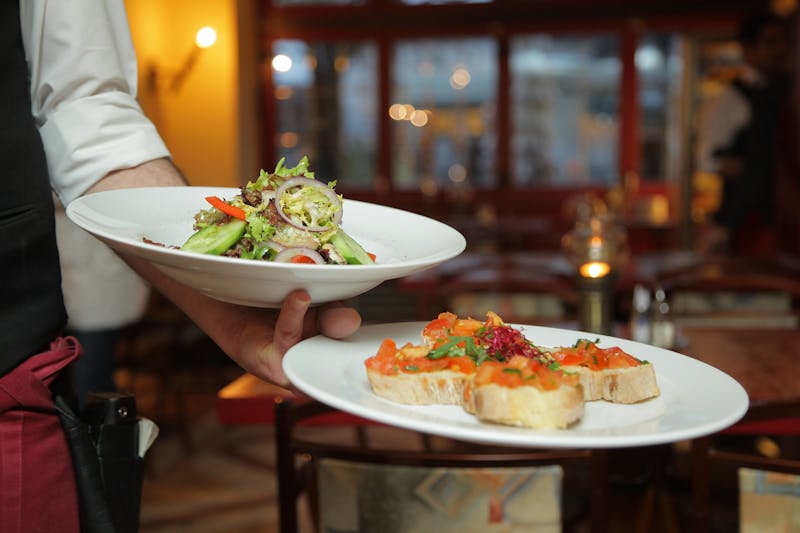
Photo by KitchenTemp via Pexels
What Your Health Inspection Score Actually Means
A health inspection score is more than a number on a certificate. It is a snapshot of your food safety practices on a specific day, translated into a format that both regulators and the public can interpret quickly. Understanding how that number is calculated gives you the power to protect it.
Scoring systems vary by state and county, but the underlying logic is consistent: violations are weighted by their potential to cause foodborne illness. A missed temperature reading costs more points than a chipped tile. Knowing the weight of each violation category lets you direct your energy to what actually moves the needle.
How the Points System Works
Most jurisdictions use a demerit-based scoring system. You start at 100 (or an equivalent perfect score) and points are deducted for each violation found. The final score determines whether you receive an A, B, or C grade — or face reinspection.
Critical vs. Non-Critical Violations
The FDA 2022 Food Code divides violations into two tiers:
| Violation Type | Point Deduction (Typical) | Example | |----------------|--------------------------|---------| | Priority item (critical) | 5-25 points | Improper cooking temperature, bare-hand contact with RTE foods | | Priority foundation | 3-8 points | No HACCP plan, no thermometer present | | Core violation (non-critical) | 1-3 points | Damaged floor tile, missing label on container |
Priority violations are directly linked to foodborne illness. They include improper temperatures, contamination, and inadequate handwashing. These are worth the most points and demand immediate correction during the inspection.
Core violations are operational or maintenance issues. They add up, but a restaurant can fail on core violations alone only if there are a large number of them.
Letter Grade Systems Explained
Several major jurisdictions use letter grades displayed prominently in restaurant windows. Here is how three major systems compare:
New York City Grading
NYC uses one of the most well-known systems:
| Score | Grade | Meaning | |-------|-------|---------| | 0-13 points | A | Passing — display required | | 14-27 points | B | Re-inspection opportunity; can earn A | | 28+ points | C | Re-inspection required |
An A grade must be displayed. A B or C grade triggers a re-inspection. If the re-inspection score is below 14, the restaurant earns an A at reinspection.
Los Angeles County Grading
LA County scores on a percentage basis:
| Score | Grade | |-------|-------| | 90-100% | A | | 80-89% | B | | 70-79% | C | | Below 70% | Closure risk |
Florida Scoring
Florida uses a numeric score published online with no letter grade display requirement — but scores below 69 trigger a mandatory re-inspection.

The Five Highest-Point Violations
Knowing which violations cost the most points lets you prioritize your daily operations:
1. Improper Temperature Control (Up to 25 Points)
Cold foods above 41°F or hot foods below 135°F is the single most expensive violation. Inspectors check every unit with their own calibrated thermometer. If your walk-in is running at 46°F, you can lose more points from this single finding than from five other violations combined.
2. Bare-Hand Contact with Ready-to-Eat Foods (10-25 Points)
Under FDA 2022 Food Code Section 3-301.11, handling ready-to-eat foods without gloves or utensils is a critical violation. This is observed in real time — if an inspector sees a cook touch salad greens bare-handed, the deduction is immediate.
3. Improper Handwashing (10-15 Points)
Inadequate handwashing — insufficient time, skipping soap, not washing after handling raw proteins — is consistently among the top deductions. Inspectors observe staff throughout the inspection.
4. Evidence of Pest Activity (10-25 Points)
Active pest evidence (live or dead insects, rodent droppings, gnaw marks) is a critical violation. In severe cases, it triggers immediate closure pending extermination and re-inspection.
5. Contaminated Food or Equipment (Variable, up to Closure)
Food that has been contaminated or is unfit for consumption, or equipment that poses contamination risk, can result in food being condemned on the spot and significant point deductions.
How Scores Affect Your Business
Customer Visibility
In letter-grade jurisdictions, scores are posted at the entrance. Studies show that dropping from an A to a B correlates with a measurable drop in revenue. A 2020 analysis of NYC restaurants found that a B grade reduced weekday traffic by approximately 6% and weekend traffic by 11%.
Beyond posted grades, inspection results are increasingly searchable online. Many jurisdictions feed scores directly into Yelp and Google. Customers who cannot see your posted grade can still look up your history.
Insurance and Financing
Some commercial kitchen insurance providers use inspection history as an underwriting factor. Repeat critical violations can raise premiums. Consistent high scores demonstrate operational discipline that benefits you beyond regulatory compliance.
Reinspection Fees
Failing an inspection is not just an operational problem. Most jurisdictions charge reinspection fees ranging from $100 to $500 per follow-up visit. Repeated violations can trigger enhanced monitoring schedules — monthly inspections instead of annual ones.
What a Perfect Score Actually Requires
A perfect or near-perfect score requires discipline in three areas:
- Daily temperature logging — complete, timestamped records with no gaps
- Staff training — everyone knows critical temperatures, handwashing procedure, and storage order
- Documentation readiness — HACCP plan, training records, pest control reports available immediately
The operations that score highest are not doing anything magical. They are running the same daily routines consistently. The documentation proves it.
How KitchenTemp Helps
Temperature control violations are the highest-point category in every grading system. KitchenTemp ensures your temperature documentation is complete, timestamped, and instantly reportable. When an inspector arrives, you can generate a 30-day compliance report in seconds — showing every reading, every corrective action, every resolution.
The restaurants that hold perfect scores do not hope for a good day on inspection day. They log every day. Start protecting your score at KitchenTemp.