What Is HACCP? A Complete Guide for Restaurant Operators
HACCP explained for restaurant owners: what it is, why it matters, who it applies to, and how to implement a basic plan in your kitchen. FDA-aligned.
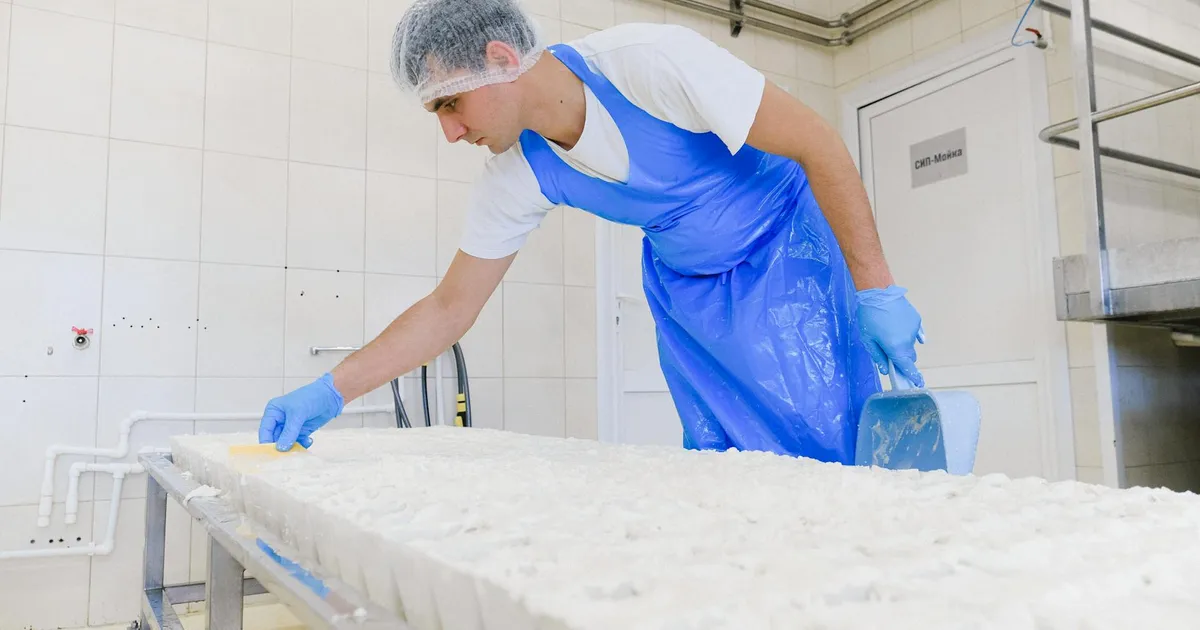
Photo by KitchenTemp via Pexels
What Is HACCP?
HACCP — Hazard Analysis and Critical Control Points — is a science-based, systematic approach to identifying, evaluating, and controlling food safety hazards in food production and service. It was developed in the 1960s by NASA, Pillsbury, and the U.S. Army Natick Laboratories to guarantee astronaut food safety in environments where there was no room for error.
Decades later, HACCP is the global gold standard for food safety management. The FDA requires HACCP plans for juice and seafood processors. The USDA mandates them for meat and poultry establishments. And while most restaurants are not federally required to maintain a formal written HACCP plan, local health departments increasingly expect the underlying practices — and the FDA Food Code 2022 is built on HACCP principles.
Understanding HACCP is not just about regulatory compliance. It is about running a kitchen where customers are genuinely protected from harm.
Why HACCP Matters for Restaurants
Foodborne illness affects an estimated 48 million Americans every year, according to the CDC. Of reported outbreaks, restaurants are consistently among the most common settings. Each outbreak costs far more than the price of prevention: medical liability, regulatory fines, temporary closure, reputational damage, and the human cost to the people who got sick.
HACCP shifts food safety from a reactive posture — cleaning up after a problem — to a proactive one. By systematically identifying where hazards can occur and installing controls at those exact points, you prevent problems before they reach the customer.
The Three Categories of Food Safety Hazards
HACCP addresses all types of food safety hazards. Understanding these categories is the first step to building your plan.
| Hazard Type | Definition | Examples | |---|---|---| | Biological | Microorganisms that cause illness | Salmonella, E. coli, Listeria, Norovirus, Hepatitis A | | Chemical | Harmful chemicals that contaminate food | Cleaning agents, pesticide residues, allergens, food additives | | Physical | Foreign objects that can cause injury | Bone fragments, glass shards, metal, plastic, stones |
For most restaurants, biological hazards — specifically bacteria and viruses — represent the greatest risk. Temperature is the most powerful control tool against biological hazards: keeping food cold enough prevents bacterial growth, and cooking food hot enough kills pathogens.
HACCP vs. General Food Safety Practice
Many kitchens follow good food safety practices — storing raw meats below ready-to-eat foods, washing hands frequently, checking fridge temperatures. So what makes HACCP different?
HACCP is systematic and documented. It requires you to:
- Formally analyze every step in your food preparation process for potential hazards
- Identify the specific points where controls are critical
- Define measurable limits for those controls
- Create monitoring procedures that generate records
- Establish what to do when controls fail
- Verify the system is working
- Maintain documentation that proves all of the above
The documentation requirement is what distinguishes HACCP from "we do the right things." Documentation creates accountability, enables training, and provides evidence of compliance during inspections.
The Seven HACCP Principles at a Glance
HACCP is built on seven principles that work as a continuous system:
- Conduct a hazard analysis — identify what could go wrong at every step
- Identify Critical Control Points (CCPs) — find the steps where control is essential
- Establish critical limits — set the measurable boundaries that define safe vs. unsafe
- Establish monitoring procedures — define how you will check CCPs
- Establish corrective actions — plan what happens when a CCP is out of control
- Establish verification procedures — confirm the system is working
- Establish record-keeping and documentation — maintain evidence of compliance
Each principle builds on the last. You cannot set critical limits until you know your CCPs. You cannot establish corrective actions until you know your critical limits. The system is designed to be worked through sequentially.

Who Is Required to Have a HACCP Plan?
Federal HACCP requirements by food category:
| Food Sector | Regulatory Body | HACCP Requirement | |---|---|---| | Seafood processors | FDA (21 CFR Part 123) | Mandatory written HACCP plan | | Juice processors | FDA (21 CFR Part 120) | Mandatory written HACCP plan | | Meat and poultry processors | USDA/FSIS | Mandatory HACCP plan | | Restaurants | FDA/State/Local | Not federally mandated, but HACCP-aligned practices expected | | Schools, hospitals (NSLP) | USDA | Written food safety plan required |
For restaurants, the requirement exists at the state and local level, not federal. However, the FDA Food Code 2022 — which most state and local health codes are based on — is structured around HACCP principles. A restaurant that cannot demonstrate controlled food handling practices at key points will fail a health inspection regardless of whether they have a formal HACCP document.
Building Prerequisite Programs First
One important concept before you build a HACCP plan: prerequisite programs. These are the foundational food safety practices that must be in place before HACCP can work. They include:
- Personal hygiene: handwashing policies, illness reporting, hair and jewelry restrictions
- Facility sanitation: cleaning and sanitizing schedules for all surfaces and equipment
- Pest control: documented pest prevention and control program
- Temperature monitoring equipment: calibrated, functioning thermometers
- Approved supplier program: receiving from licensed, inspected suppliers
- Employee training: documented food safety training for all food handlers
HACCP controls hazards at critical points. Prerequisite programs control the general environment. Without good prerequisite programs, your HACCP plan will be fighting a losing battle.
Getting Started: A Practical Approach
If you are building a HACCP plan for the first time, here is a practical starting sequence:
- Assemble a HACCP team: Include the chef, kitchen manager, and owner. Even for a small restaurant, having multiple perspectives is valuable.
- Describe your product and intended use: What are you making? Who eats it? Are there vulnerable populations (pregnant women, elderly, immunocompromised)?
- Create a process flow diagram: Map every step from receiving ingredients to serving the dish.
- Conduct the hazard analysis: At each step in the flow diagram, identify potential biological, chemical, and physical hazards.
- Identify CCPs: Determine which steps are critical control points using the CCP decision tree.
- Work through principles 3–7 for each CCP.
The FDA and USDA both publish free HACCP guidance documents. Your state's department of agriculture or health department may also offer templates specific to your jurisdiction.
How KitchenTemp Helps
KitchenTemp is built around the HACCP principle of documented, consistent temperature monitoring. Our platform makes it easy to:
- Log temperatures at every CCP on a schedule you define
- Receive instant alerts when readings fall outside critical limits
- Document corrective actions in the same system as the original reading
- Generate compliance reports for health inspections in seconds
- Maintain complete digital records that satisfy FDA Food Code documentation requirements
Stop relying on paper logs that get lost, smudged, or filled in retroactively. Start your free trial at KitchenTemp and put the record-keeping principle of HACCP on autopilot.